The Influence of Glaciation on the Landscape: Geological Foundations
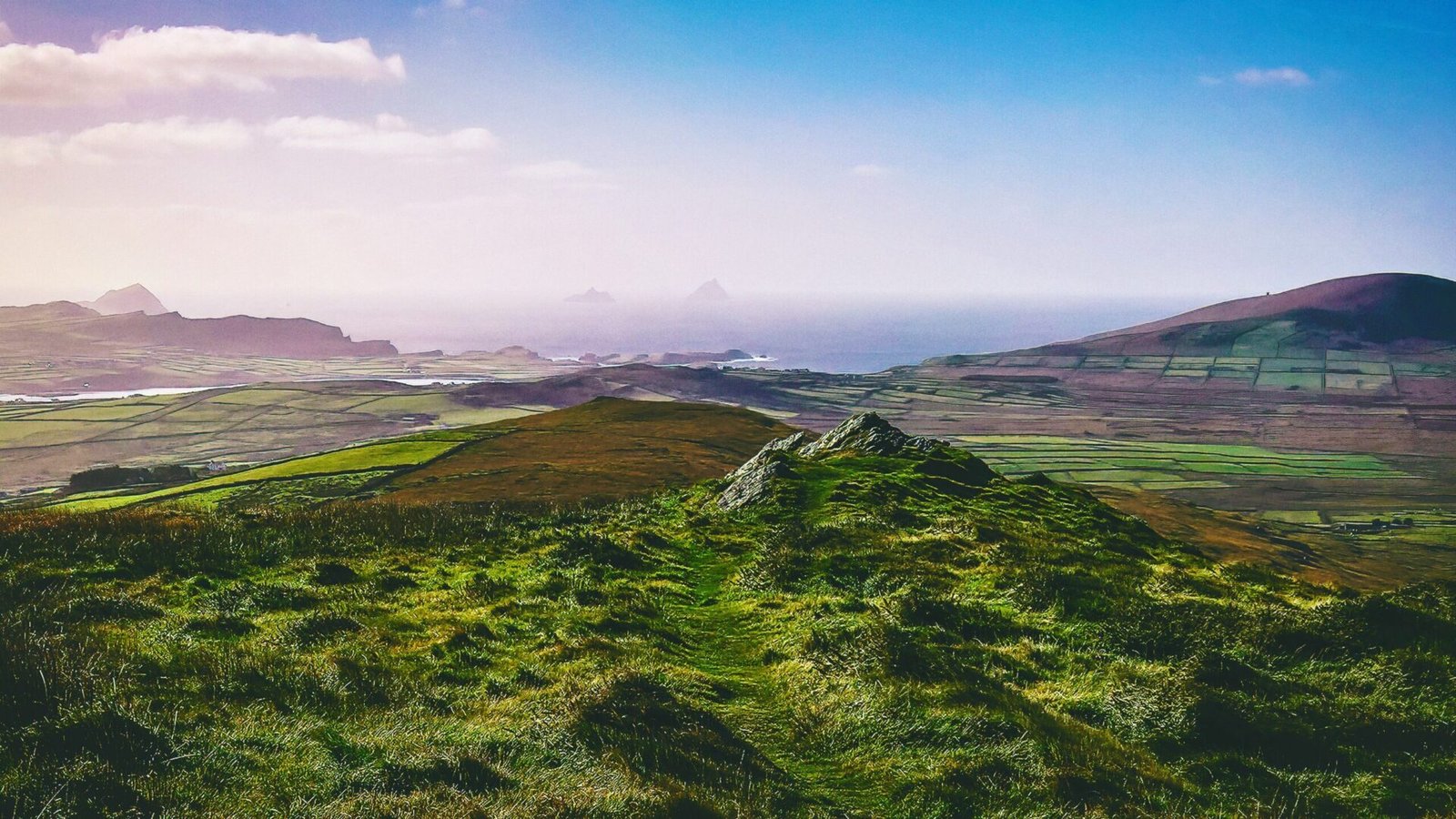
The landscape of Ireland, with its rolling hills, rugged coastlines, and serene lakes, is a canvas painted by the forces of nature over millennia. Among the most significant of these forces is glaciation, a process that has profoundly shaped the topography and geological features of the Emerald Isle. Understanding the influence of glaciation on the landscape is essential for grasping the broader context of Irish prehistory, as it not only molded the physical environment but also influenced human settlement, culture, and mythology.
The Ice Age: A Prelude to Transformation
The last Ice Age, known as the Quaternary period, began approximately 2.6 million years ago and lasted until about 11,700 years ago. During this time, vast ice sheets covered significant portions of Europe, including Ireland. The most notable of these was the British-Irish Ice Sheet, which reached its maximum extent around 18,000 years ago. As the climate shifted and temperatures rose, these ice sheets began to retreat, leaving behind a transformed landscape that would serve as the foundation for future human activity.
The sheer weight of the ice caused the land beneath it to depress, a phenomenon known as isostatic depression. When the ice melted, the land began to rebound, creating a dynamic geological process that continues to this day. This interplay between glaciation and landform evolution is crucial to understanding the features that define the Irish landscape.
Glacial Erosion: Sculpting the Terrain
One of the most significant impacts of glaciation on the Irish landscape is glacial erosion. As glaciers advanced, they carved out valleys and shaped mountains through a process known as abrasion. This process involves the grinding action of rocks and debris embedded in the ice against the bedrock, resulting in the smooth, U-shaped valleys that are characteristic of glaciated regions.
The famous Glendalough Valley in County Wicklow is a prime example of this glacial sculpting. The valley’s distinctive shape, with steep sides and a flat bottom, is a direct result of glacial activity. Similarly, the breathtaking cliffs of Moher along the west coast showcase the dramatic effects of glacial erosion, where the relentless power of ice has carved out striking formations that rise majestically from the Atlantic Ocean.
Glacial Deposits: The Legacy of Ice
As glaciers advanced and retreated, they left behind a variety of sedimentary deposits known as glacial till. This material, composed of clay, silt, sand, and boulders, is often unsorted and can be found across the Irish landscape. The presence of glacial till has significant implications for soil fertility and agriculture, as it provides a diverse range of minerals that contribute to the richness of the land.
One of the most notable features resulting from glacial deposits is the drumlin, a small, oval-shaped hill formed by the accumulation of till as glaciers moved over the landscape. Drumlins are scattered throughout Ireland, particularly in the midlands, where they create a unique topographical pattern. The presence of these features not only serves as a testament to the power of glaciation but also influences human settlement patterns, as they often provide fertile ground for agriculture.
Glacial Lakes: Nature’s Mirrors
Another striking impact of glaciation on the Irish landscape is the formation of glacial lakes. As glaciers melted, they often left behind depressions that filled with water, creating serene bodies of water that dot the countryside. These lakes are not only visually stunning but also play a crucial role in the local ecosystem.
Lough Neagh, the largest lake in Ireland, is a prime example of a glacial lake. Its formation is linked to the last Ice Age, and it serves as a vital resource for wildlife and human communities alike. The presence of such lakes has influenced settlement patterns, as they provide water sources, transportation routes, and fertile land for agriculture. Moreover, glacial lakes have become intertwined with Irish mythology, often seen as sacred spaces imbued with spiritual significance.
The Role of Glaciation in Biodiversity
The glacial period had a profound impact on Ireland’s biodiversity. As the ice retreated, it created a mosaic of habitats that supported a wide range of flora and fauna. The diverse geological features resulting from glaciation, including mountains, valleys, and lakes, provided niches for various species to thrive.
The unique combination of glacial deposits and post-glacial environments has contributed to Ireland’s rich biodiversity. The presence of peatlands, formed from the accumulation of organic material in waterlogged conditions, is a direct result of the climatic changes following glaciation. These peatlands are home to a variety of plant and animal species, some of which are endemic to Ireland.
Furthermore, the influence of glaciation on the landscape has shaped human interactions with the environment. The availability of resources, such as timber, fish, and fertile land, has influenced settlement patterns and agricultural practices throughout Irish history. This relationship between the landscape and human activity is a recurring theme in Irish mythology, where the land itself is often personified and imbued with cultural significance.
Mythology and the Landscape: A Cultural Reflection
The interplay between glaciation and the Irish landscape has not only shaped the physical environment but has also left an indelible mark on Irish mythology and folklore. The rugged mountains, serene lakes, and fertile valleys have inspired countless tales and legends, often reflecting the relationship between the people and their surroundings.
For instance, the mythological figure of the goddess Ériu, from whom Ireland derives its name, is often associated with the land itself. Her stories are intertwined with the landscape, emphasizing the connection between the natural world and cultural identity. The dramatic features of the landscape, shaped by glaciation, serve as a backdrop for these narratives, grounding them in a tangible reality.
Similarly, the ancient tales of the Tuatha Dé Danann, a mythical race of beings, often reference geographical features that were formed during the glacial period. The mountains, lakes, and valleys become characters in their own right, reflecting the deep-seated belief that the landscape is alive with history and meaning.
Conclusion
The influence of glaciation on the Irish landscape is a multifaceted topic that encompasses geological, ecological, and cultural dimensions. From the sculpting of valleys and the creation of lakes to the rich biodiversity and the intertwining of mythology with the land, glaciation has left an indelible mark on Ireland. Understanding this influence is essential for appreciating the geological foundations of Irish prehistory and the profound connections between the land, its people, and their stories. As we explore the myths and legends that arise from this landscape, we uncover a deeper understanding of the relationship between nature and culture, revealing the intricate tapestry of Irish identity woven through time.