Natural Resources and Settlement Patterns in Irish Prehistory
Introduction: The Interplay of Nature and Humanity
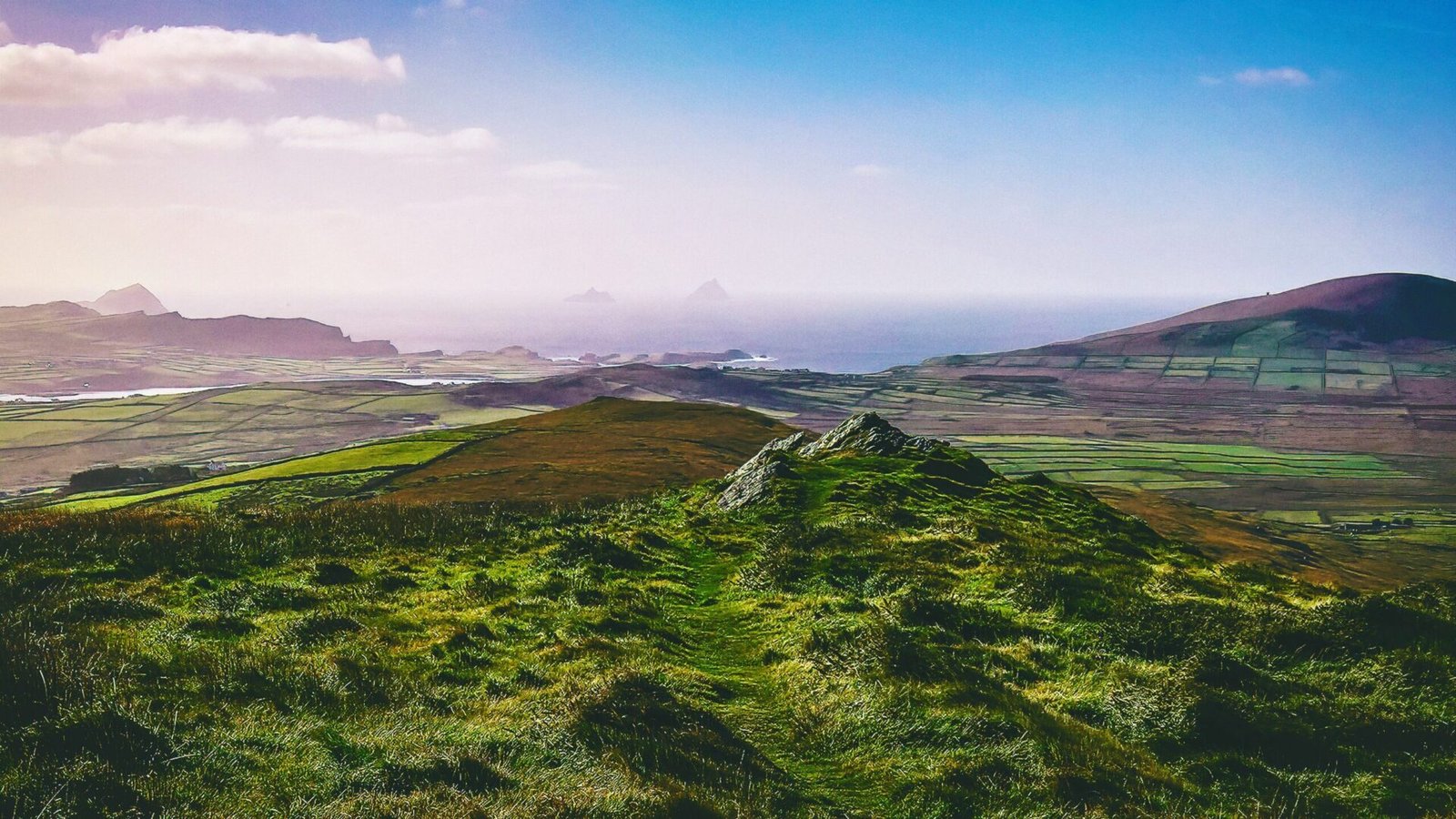
The landscape of Ireland is a tapestry woven from its geological foundations, rich natural resources, and the intricate patterns of human settlement that have evolved over millennia. Understanding how these elements interact offers profound insights into the lives of prehistoric peoples and the myths that arose from their relationship with the land. This exploration delves into the natural resources that shaped settlement patterns in Ireland, the influence of geography on human activity, and the cultural narratives that emerged from this dynamic interplay.
The Geological Foundations of Ireland
Ireland’s geological history is marked by a series of dramatic events, from volcanic eruptions to glacial movements, which have sculpted its diverse landscape. The island is primarily composed of sedimentary rocks, limestone, and granite, with each geological formation contributing to the availability of vital resources. The limestone regions, particularly in the Burren, are known for their unique ecosystems and fertile soils, while the granite uplands provide a stark contrast with their rugged terrain.
The rich deposits of minerals, such as copper, lead, and gold, found in various parts of Ireland, have played a crucial role in the development of early societies. The discovery of these resources likely influenced settlement patterns, as communities gravitated towards areas where they could extract and utilize these materials for tools, trade, and construction. The presence of these geological resources not only shaped the physical landscape but also the cultural landscape, as myths and stories began to form around the places where these materials were found.
Natural Resources: A Catalyst for Settlement
Water Resources
Water is perhaps the most critical natural resource influencing settlement patterns. Rivers, lakes, and coastal areas provided essential sustenance and transportation routes for prehistoric communities. The River Shannon, the longest river in Ireland, served as a vital artery for trade and communication, connecting various regions and facilitating the movement of goods and people.
Archaeological evidence suggests that early settlers established communities near water sources, utilizing them for fishing, agriculture, and domestic needs. The abundance of fish in rivers and coastal waters not only provided a reliable food source but also fostered the development of fishing technologies and practices, which became integral to the cultural identity of these communities.
Agricultural Resources
The fertile soils of Ireland, particularly in the river valleys and coastal plains, supported agricultural practices that were essential for the sustenance of growing populations. The cultivation of crops such as barley, wheat, and oats, alongside the domestication of animals, allowed for the establishment of more permanent settlements. The transition from a nomadic lifestyle to settled agriculture marked a significant turning point in Irish prehistory, leading to the development of complex societies.
The availability of arable land influenced the distribution of settlements, with communities often clustering in areas where the soil was most productive. This agricultural abundance not only supported larger populations but also enabled the emergence of social hierarchies and trade networks, as surplus food could be exchanged for other goods and services.
Mineral Resources
The discovery of mineral resources, particularly during the Copper and Bronze Ages, had a profound impact on settlement patterns. The emergence of metallurgy transformed societies, leading to the production of tools, weapons, and ornamental items. Sites such as the copper mines at Mount Gabriel in County Cork and the gold deposits in the Wicklow Mountains highlight the significance of these resources in shaping early Irish communities.
The extraction and processing of metals necessitated specialized skills and labor, which in turn fostered the growth of trade networks. Communities that were rich in mineral resources became focal points for trade, attracting people from surrounding areas and leading to the establishment of more complex social structures. The myths surrounding these sites, often linked to deities and legendary figures, further illustrate the cultural significance of these resources in the collective consciousness of the Irish people.
The Influence of Geography on Settlement Patterns
Coastal Settlements
Ireland’s extensive coastline has always played a crucial role in shaping settlement patterns. The proximity to the sea provided access to marine resources, while also facilitating trade and communication with other regions. Coastal settlements often became hubs of activity, where fishing communities thrived and trade routes flourished.
Archaeological findings indicate that some of the earliest human activity in Ireland occurred along the coast, where people could exploit the rich marine environment. The establishment of ringforts and promontory forts along the coastline suggests that these areas were not only strategic locations for defense but also centers of social and economic activity.
Upland and Lowland Settlements
The contrast between Ireland’s upland and lowland areas also influenced settlement patterns. While lowland regions offered fertile soils and abundant resources, the uplands provided natural defenses and access to grazing lands. Communities often adapted their lifestyles based on the geographical features of their surroundings, leading to diverse settlement types.
In upland areas, the construction of stone structures and field systems indicates a reliance on pastoralism, while lowland settlements were more focused on agriculture. This geographical dichotomy fostered a rich tapestry of cultural practices and traditions, as communities developed unique adaptations to their specific environments.
Myths and the Landscape
The relationship between natural resources, settlement patterns, and mythology is a defining characteristic of Irish prehistory. The landscape itself is imbued with stories that reflect the cultural values and beliefs of its inhabitants. Many of Ireland’s ancient sites, such as the Hill of Tara or Newgrange, are steeped in mythological significance, serving as focal points for spiritual and communal activities.
These myths often revolve around the natural features of the landscape, personifying rivers, mountains, and trees as deities or ancestral figures. The stories of the Tuatha Dé Danann, for instance, highlight the connection between the land and its people, illustrating how natural resources and geographical features shaped not only settlement patterns but also the very identity of the Irish people.
The interplay between natural resources, settlement patterns, and mythology creates a rich narrative that continues to resonate in contemporary Irish culture. The legends of ancient heroes and the sacredness of certain landscapes remind us of the enduring bond between humanity and the natural world.
Conclusion: The Enduring Legacy of Natural Resources and Settlement Patterns
The exploration of natural resources and settlement patterns in Irish prehistory reveals a complex interplay between the environment and human activity. From the fertile soils that supported agriculture to the mineral wealth that spurred trade and innovation, the landscape of Ireland has shaped its people in profound ways. As we delve into the myths and stories that arise from this relationship, we uncover a deeper understanding of how the natural world has influenced the cultural identity of Ireland throughout history.