Mythological Connections: Mount Sandel
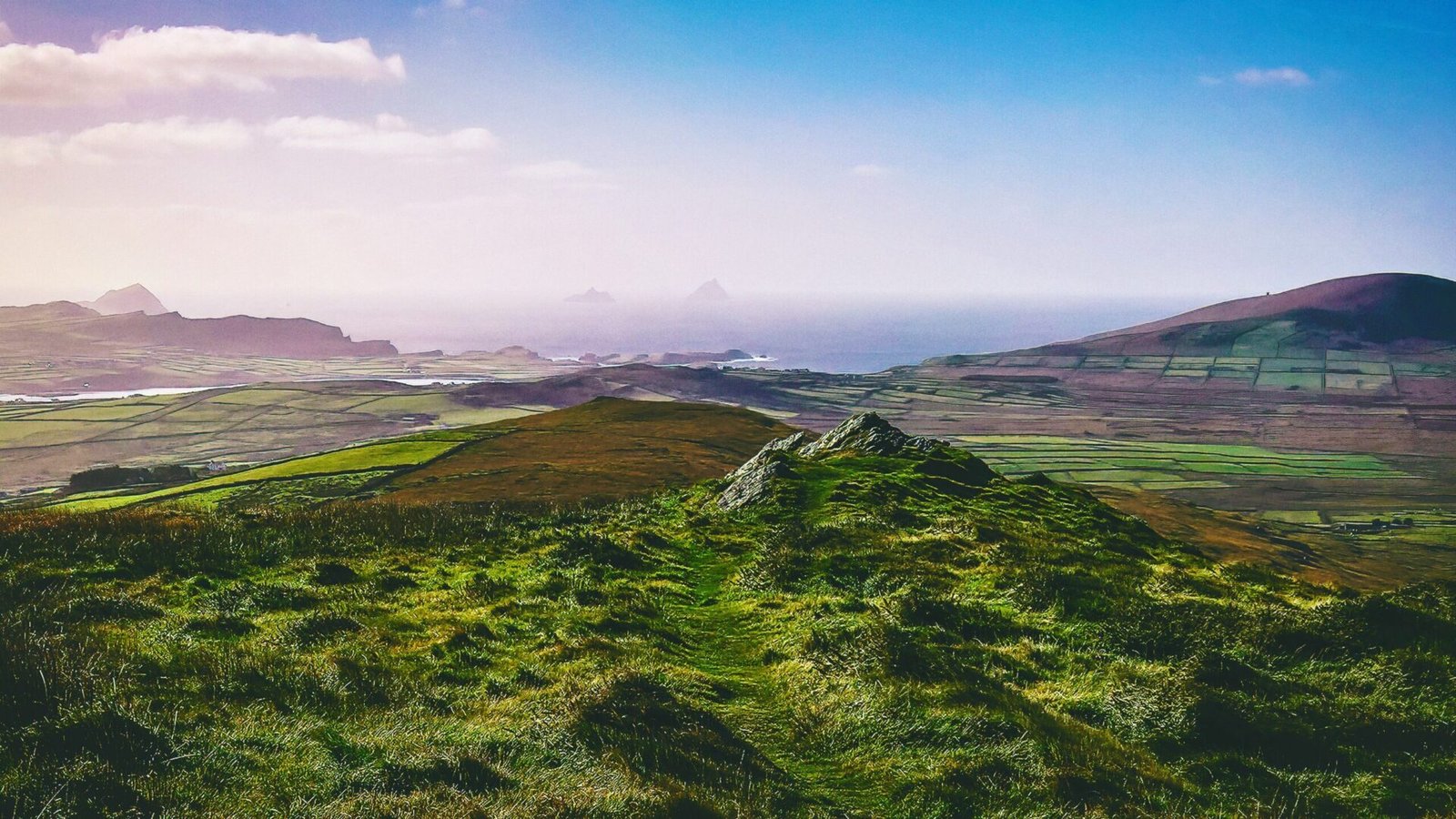
Mount Sandel, a site nestled in the lush landscape of County Londonderry, Northern Ireland, is not merely a geographical feature; it is a gateway into the rich tapestry of Irish prehistory and mythology. This ancient hill, which rises modestly above the surrounding terrain, has been a silent witness to millennia of human activity, and its significance extends far beyond its physical presence. In this exploration of Mount Sandel, we will delve into the myths and legends that envelop this site, its cultural significance in later Irish mythology, and its broader connections to the landscape and identity of Ireland.
The Legends of Mount Sandel
Mount Sandel is steeped in folklore, with stories that echo through the ages. One of the most prominent legends associated with this site is that of the Tuatha Dé Danann, a mythical race of deities and heroes in Irish mythology. According to legend, the Tuatha Dé Danann were skilled in magic and the arts, and they inhabited the hills and valleys of Ireland long before the arrival of the Milesians, the ancestors of the modern Irish people.
The Tuatha Dé Danann are often linked to significant natural landmarks, and Mount Sandel is no exception. It is believed that the hill served as a sacred site for these deities, where they would gather to hold councils and celebrate their victories. The stories of their exploits, from battles against the Fomorians to the enchantments of the goddess Brigid, are deeply intertwined with the landscape of Ireland, and Mount Sandel stands as a testament to their enduring legacy.
Another intriguing tale is that of Cú Chulainn, one of the most celebrated heroes in Irish mythology. While Cú Chulainn’s adventures are primarily associated with the province of Ulster, his journeys often took him through the landscapes of the north, including areas near Mount Sandel. In various retellings, Cú Chulainn is depicted as a protector of the land, a warrior who embodies the spirit of the Irish people. The hill may have served as a vantage point from which he surveyed the land, ready to defend it against invaders, further solidifying its role in the mythic landscape.
Cultural Significance in Later Irish Mythology
As Irish mythology evolved, so too did the significance of Mount Sandel. The hill became a symbol of resilience and continuity, embodying the connection between the ancient past and the present. In later folklore, Mount Sandel was often associated with the Sidhe, the fairy folk of Irish legend. These supernatural beings were believed to inhabit the hills and mounds of the landscape, and Mount Sandel was no exception. It was said that those who ventured too close to the hill might encounter the Sidhe, who could either offer blessings or mischief, depending on their mood.
The cultural significance of Mount Sandel extends beyond its myths; it is also a reflection of the social and spiritual practices of the people who inhabited the region. Archaeological evidence suggests that the area was a site of ritual activity, with artifacts indicating that it was used for ceremonial purposes. This aligns with the broader theme in Irish mythology where natural features, such as hills, rivers, and stones, are imbued with spiritual meaning. Mount Sandel, therefore, serves as a microcosm of the relationship between the landscape and the spiritual beliefs of the Irish people.
The Landscape and Its Myths
The connection between Mount Sandel and the surrounding landscape is profound. The hill is part of a broader network of ancient sites that include burial mounds, stone circles, and other significant landmarks. Each of these features contributes to the mythological narrative of the region, creating a rich tapestry of stories that are interwoven with the land itself.
For instance, nearby sites such as Grianan of Aileach and Lough Neagh are steeped in their own myths, yet they share a thematic connection with Mount Sandel. Grianan of Aileach is linked to the Sun God, while Lough Neagh is associated with various legends of creation and transformation. The interplay between these sites reinforces the idea that the landscape is not merely a backdrop for human activity but an active participant in the myth-making process.
Moreover, the natural features surrounding Mount Sandel, such as the River Bann, have their own mythological significance. The river is often personified in tales as a goddess or spirit, further emphasizing the belief that the land is alive with stories. The convergence of these elements creates a dynamic narrative landscape, where each hill, river, and stone contributes to a collective memory that has been passed down through generations.
Mount Sandel in the Context of Irish Identity
The myths and legends associated with Mount Sandel are not just relics of the past; they are integral to the formation of Irish identity. As the stories of the Tuatha Dé Danann, Cú Chulainn, and the Sidhe continue to resonate, they shape the cultural consciousness of the Irish people. Mount Sandel, as a site of mythological significance, serves as a reminder of the deep-rooted connection between the Irish landscape and its inhabitants.
In contemporary Ireland, there is a growing interest in reconnecting with these ancient stories and understanding their relevance in modern society. The resurgence of interest in folklore and mythology reflects a desire to explore cultural heritage and identity. Mount Sandel, with its rich mythological connections, stands as a beacon for those seeking to understand the complexities of Irish history and the enduring power of myth.
Conclusion
Mount Sandel is more than just a hill; it is a repository of myth and memory, a place where the ancient and the contemporary converge. The legends that surround this site offer a glimpse into the spiritual and cultural landscape of Ireland, revealing the profound connections between the land and its people. As we continue to explore the myths associated with Mount Sandel, we uncover not only the stories of the past but also the enduring legacy of a rich and vibrant culture that continues to thrive in the heart of Ireland.