Creation Myths and the Origins of the Irish People
Introduction to Creation Myths
Creation myths serve as the bedrock of cultural identity, weaving together the threads of history, spirituality, and the natural world. In the context of Ireland, these myths are not merely stories but profound narratives that shape the understanding of the land, its people, and their relationship with the divine. The Irish creation myths are rich with symbolism, reflecting the ancient beliefs and values of the Celts, and they offer insights into the origins of the Irish people.
The Tuatha Dé Danann: The Divine Ancestors
At the heart of Irish creation myths lies the tale of the Tuatha Dé Danann, a race of supernatural beings who are often considered the ancestors of the Irish people. According to legend, the Tuatha Dé Danann descended from the heavens, bringing with them extraordinary skills in arts, crafts, and magic. They are often depicted as deities, embodying various aspects of nature and human experience.
The arrival of the Tuatha Dé Danann is marked by a series of battles against the Fir Bolg, an earlier group of inhabitants. This conflict symbolizes the struggle between different cultures and the quest for dominance over the land. Ultimately, the Tuatha Dé Danann emerge victorious, establishing themselves as the rightful rulers of Ireland. Their reign is characterized by prosperity, harmony, and a deep connection to the landscape, reflecting the ancient Irish belief that the land is sacred and imbued with spiritual significance.
The Milesians: The Human Ancestors
Following the Tuatha Dé Danann, the Milesians, a group of mortal warriors from the Iberian Peninsula, arrive in Ireland. Their story is a pivotal chapter in the Irish creation narrative, as it represents the transition from the divine to the human. The Milesians are said to be descendants of the biblical figure Noah, linking them to a broader narrative of human history and divine providence.
The Milesians’ conquest of the Tuatha Dé Danann is not merely a physical battle; it signifies the triumph of humanity over the divine. The Milesians’ victory leads to a new era in Irish history, where the human experience becomes central. However, this victory is not without consequences. The Tuatha Dé Danann retreat into the Otherworld, becoming the fairies and spirits of Irish folklore, forever intertwined with the landscape and the lives of the people.
The Role of the Landscape in Myth
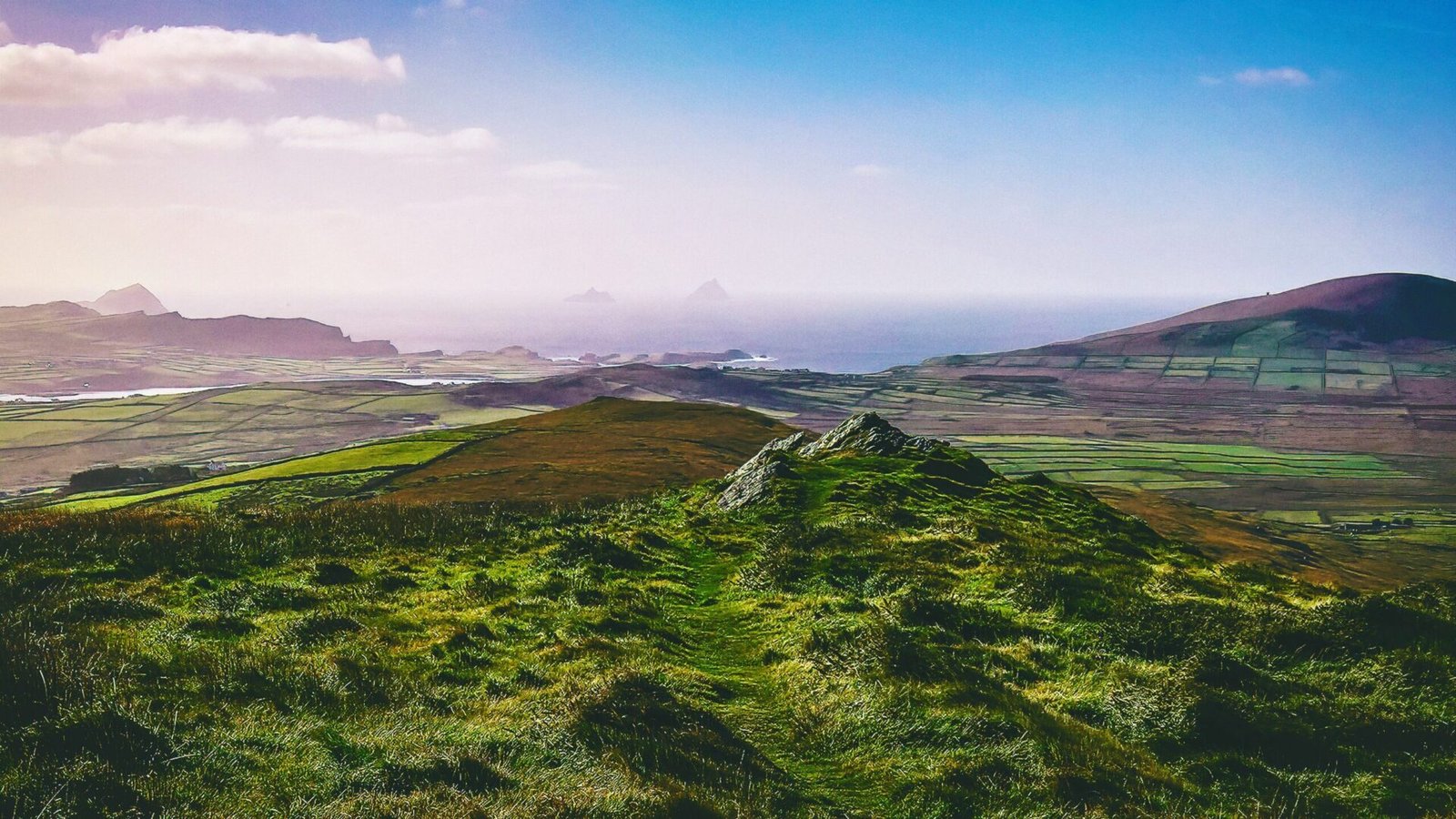
The Irish landscape plays a crucial role in the creation myths, serving as both a setting and a character in the narratives. Mountains, rivers, and ancient sites are often imbued with mythological significance, reflecting the deep connection between the Irish people and their environment. For instance, the Hill of Tara, a site of great importance in Irish mythology, is seen as the ancestral seat of the kings of Ireland and a gateway to the Otherworld.
The landscape is not merely a backdrop; it is a living entity that interacts with the myths and the people. The stories of the Tuatha Dé Danann and the Milesians are deeply rooted in specific locations, with each site possessing its own unique history and significance. This relationship between myth and landscape underscores the belief that the land is alive with the presence of ancestors and spirits, shaping the identity of the Irish people.
The Influence of Christianity
With the arrival of Christianity in Ireland during the 5th century, the traditional creation myths began to evolve. The new faith sought to integrate and reinterpret the existing narratives, often recontextualizing pagan deities as saints or aligning them with biblical figures. This blending of beliefs created a unique tapestry of spirituality in Ireland, where ancient myths coexisted with Christian teachings.
One notable example is the story of St. Patrick, who is often credited with converting the Irish to Christianity. His narrative is intertwined with the myths of the Tuatha Dé Danann, as he is said to have encountered these supernatural beings during his mission. The coexistence of these narratives highlights the resilience of Irish culture, adapting and transforming in the face of new influences while retaining its core identity.
The Importance of Oral Tradition
The transmission of creation myths in Ireland has primarily been through oral tradition, emphasizing the communal aspect of storytelling. Bards and storytellers played a vital role in preserving these narratives, passing them down through generations. This oral tradition not only kept the myths alive but also allowed for their adaptation and evolution over time.
The importance of oral tradition is evident in the various versions of creation myths that exist within different regions of Ireland. Each storyteller brings their unique perspective, enriching the narrative tapestry and reflecting the diverse experiences of the Irish people. This fluidity of storytelling underscores the dynamic nature of Irish culture, where myths are not static but living entities that continue to resonate with contemporary audiences.
Symbolism and Themes in Irish Creation Myths
Irish creation myths are replete with symbolism and recurring themes that reflect the values and beliefs of the ancient Celts. Nature, for instance, is a central theme, with many myths emphasizing the interconnectedness of all living things. The cycles of life, death, and rebirth are prevalent, mirroring the changing seasons and the rhythms of the natural world.
Another significant theme is the duality of existence, represented by the tension between the mortal and the divine. The stories of the Tuatha Dé Danann and the Milesians illustrate this duality, highlighting the complexities of human experience and the quest for meaning. The interplay between light and darkness, order and chaos, is a recurring motif that resonates throughout Irish mythology.
The Legacy of Creation Myths
The creation myths of Ireland continue to influence contemporary culture, from literature and art to music and film. They serve as a source of inspiration and a reminder of the rich heritage of the Irish people. Modern interpretations of these myths often seek to reconnect with the land and its history, fostering a sense of identity and belonging.
Moreover, the exploration of creation myths encourages a deeper understanding of the cultural landscape of Ireland. By examining these narratives, we gain insights into the values, beliefs, and experiences of the Irish people throughout history. The myths serve as a bridge between the past and the present, inviting us to reflect on our own relationship with the land and the stories that shape our identities.
In the end, the creation myths of Ireland are not just tales of gods and heroes; they are profound reflections of the human experience, intricately woven into the fabric of the landscape and the lives of the people. They remind us that we are all part of a larger narrative, one that transcends time and connects us to our ancestors and the world around us.