Introduction
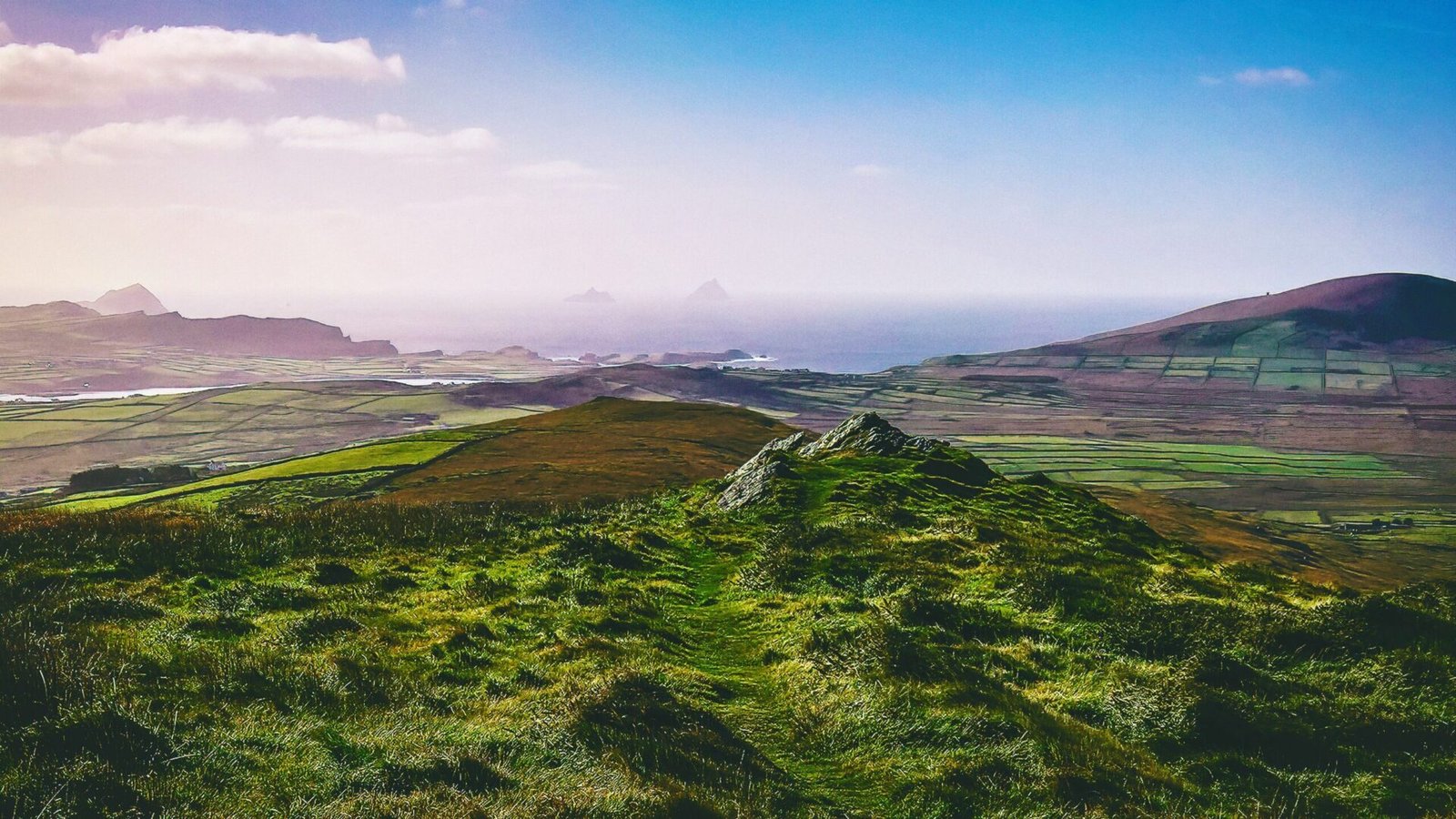
The landscape of Ireland, with its lush green hills, ancient stone structures, and sacred sites, is not merely a backdrop but a canvas painted with the beliefs and myths of its earliest inhabitants. As we delve into the intricate tapestry of Irish prehistory, we discover that the Mesolithic period, often overshadowed by the more prominent Neolithic and Bronze Ages, holds significant keys to understanding the evolution of Celtic mythology. This exploration reveals how the spiritual and cultural practices of Mesolithic peoples laid foundational stones for the rich mythological narratives that would flourish in later Celtic traditions.
The Mesolithic Era: A Brief Overview
The Mesolithic period, spanning roughly from 8000 to 4000 BCE, was a time of transition in Ireland. Following the last Ice Age, hunter-gatherer communities thrived, adapting to the changing environment and developing a unique relationship with the land. The Mesolithic people were skilled foragers, relying on the abundant resources of forests, rivers, and coasts. Their way of life was deeply intertwined with the natural world, fostering a spiritual connection that would resonate through the ages.
Spirituality and Nature
The Mesolithic peoples’ beliefs were likely animistic, viewing the world as imbued with spirits and forces that governed the natural order. This worldview emphasized a profound respect for the environment, as every tree, river, and animal was seen as possessing its own spirit. Such beliefs fostered a sense of kinship with nature, which would later permeate Celtic mythology, where deities and spirits often embodied natural elements.
Archaeological evidence, such as the discovery of ritual sites and burial practices, suggests that the Mesolithic people engaged in spiritual practices that celebrated their connection to the land. These early rituals, possibly involving offerings to nature spirits or ancestors, laid the groundwork for the more elaborate mythological systems that would emerge in Celtic culture.
The Transition to Neolithic and the Seeds of Mythology
As the Mesolithic period gave way to the Neolithic, significant changes occurred in lifestyle, technology, and belief systems. The introduction of agriculture transformed communities, leading to the establishment of permanent settlements and the construction of monumental structures such as passage tombs. These developments were not merely practical; they also reflected an evolving spiritual landscape.
Ancestor Worship and the Cult of the Dead
One of the most significant shifts in belief during the transition from the Mesolithic to the Neolithic was the growing emphasis on ancestor worship. The construction of megalithic tombs, such as Newgrange, indicates a reverence for the dead and a belief in an afterlife. This practice can be traced back to Mesolithic traditions of burial and ritual, where the dead were honored and remembered.
In Celtic mythology, the veneration of ancestors and the connection to the land are central themes. The Tuatha Dé Danann, a race of deities in Irish mythology, are often depicted as ancestral figures, embodying the spirits of the land and its people. The reverence for the past, rooted in Mesolithic beliefs, evolved into a complex mythology where the ancestors were not only remembered but actively engaged with in the spiritual realm.
Mythical Landscapes: The Interplay of Geography and Belief
The landscapes of Ireland are steeped in myth, with mountains, rivers, and stones often associated with specific deities and stories. This intertwining of geography and mythology can be traced back to the Mesolithic era, where the natural world was not just a setting but a living entity imbued with spiritual significance.
Sacred Sites and Ritual Landscapes
Archaeological findings suggest that Mesolithic peoples engaged in ritual practices at specific locations, which were likely deemed sacred. These sites, often associated with natural features such as springs or groves, became focal points for communal gatherings and spiritual activities. As these practices evolved, they contributed to the creation of a mythic landscape that would be inherited by later cultures.
In Celtic mythology, many places are imbued with stories and legends. The River Boyne, for example, is not just a geographical feature but a central character in tales of the Tuatha Dé Danann and the legendary battles between mortals and gods. The continuity of sacred sites from the Mesolithic to the Celtic period illustrates how the spiritual significance of the landscape persisted, adapting to new beliefs while retaining core elements of earlier traditions.
The Role of Oral Tradition in Preserving Beliefs
The transmission of beliefs and stories from the Mesolithic period to the Celtic era was facilitated by oral tradition. As communities evolved, the stories of their ancestors, their relationships with the land, and their spiritual practices were passed down through generations. This oral culture was crucial in preserving the essence of Mesolithic beliefs, even as they transformed and integrated with new ideas.
Myth as a Reflection of Cultural Identity
Celtic mythology serves as a repository of cultural identity, reflecting the values, beliefs, and experiences of the people. The stories of gods, heroes, and mythical creatures often echo the themes of survival, kinship, and respect for nature that characterized Mesolithic life. The tales of Cú Chulainn, the hero of the Ulster Cycle, and the mystical realm of Tír na nÓg are infused with a sense of place and connection to the land that resonates with the animistic beliefs of earlier peoples.
The preservation of these stories through oral tradition ensured that the core beliefs of the Mesolithic era continued to influence Celtic mythology, even as new cultural elements emerged. The adaptability of myth allowed for the integration of diverse influences while maintaining a thread of continuity that linked the past to the present.
Conclusion
The influence of Mesolithic beliefs on later Celtic mythology is a testament to the enduring power of spirituality and the human connection to the land. As we explore the intricate layers of Irish prehistory, we uncover a rich tapestry woven from the threads of ancient beliefs, practices, and stories. The Mesolithic period, often overlooked, serves as a vital foundation for understanding the evolution of Celtic mythology and the profound relationship between the people of Ireland and their landscape. Through this lens, we can appreciate the continuity and change in mythology, revealing the timeless nature of human experience and belief.