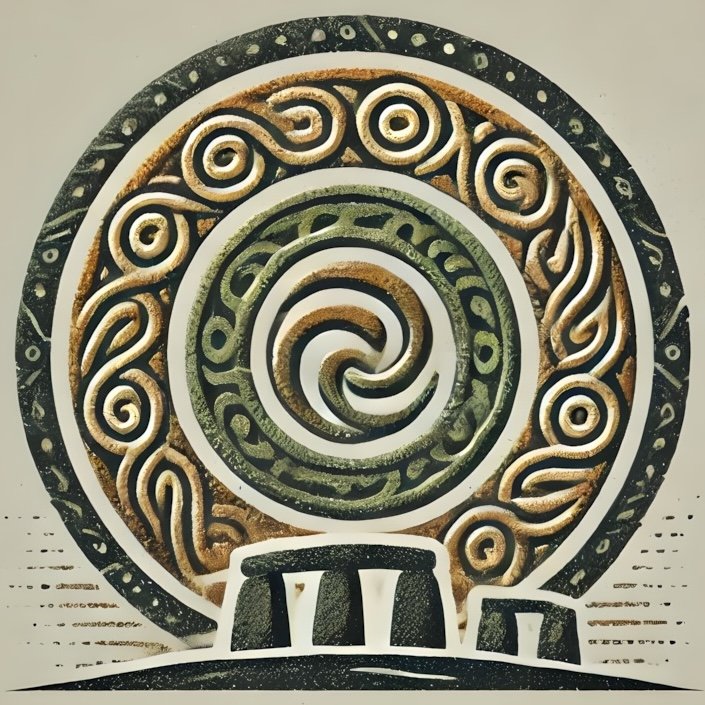

Megalithic Structures and Agriculture: The Interwoven Tapestry of Settled Life in Irish Prehistory
The vast, rolling landscapes of Ireland are punctuated by the remnants of ancient megalithic structures—stone monuments that stand as silent witnesses to the lives of those who once thrived in these lands. These monumental constructions, ranging from dolmens and passage tombs to stone circles, are not mere relics of the past; they are integral to understanding the relationship between megalithic construction and settled life in prehistoric Ireland. This relationship is complex and multifaceted, revealing insights into the social, economic, and spiritual dimensions of early agricultural societies.
The Emergence of Settled Life
The transition from nomadic hunter-gatherer lifestyles to settled agricultural communities marks one of the most significant shifts in human history. In Ireland, this transformation began around 4000 BCE, coinciding with the introduction of farming practices. The fertile soils and temperate climate of the region provided the perfect backdrop for the cultivation of crops and the domestication of animals. As people began to settle, they developed new social structures, economic systems, and cultural practices.
Settled life brought with it a need for permanence and stability. Communities began to establish boundaries, create storage facilities for surplus food, and develop systems of governance. This newfound stability allowed for population growth and the emergence of complex societies, which in turn led to the construction of megalithic structures. These monumental edifices served various purposes, from burial sites to ceremonial spaces, and they played a crucial role in the social and spiritual lives of these early communities.
Megaliths as Reflectors of Agricultural Society
Megalithic structures can be seen as both products and reflections of the agricultural societies that built them. The construction of these impressive stone monuments required significant labor and resources, indicating a level of social organization and cooperation that was characteristic of settled life. The ability to mobilize large groups of people for construction projects suggests a society with established leadership and a shared sense of purpose.
Moreover, the alignment and orientation of many megalithic structures often correspond to agricultural cycles and celestial events. For instance, the famous passage tomb at Newgrange is aligned with the winter solstice sunrise, illuminating the inner chamber at dawn on the shortest day of the year. This alignment not only reflects an understanding of astronomical phenomena but also emphasizes the importance of seasonal cycles in agricultural planning. The construction of such monuments may have served to reinforce communal identity and collective memory, linking the community to the land and its cycles.
Rituals and Beliefs: The Spiritual Dimension of Megalithic Construction
The relationship between megalithic structures and settled life is also deeply intertwined with the spiritual beliefs of prehistoric communities. As agriculture became the cornerstone of daily life, so too did the need for rituals and practices that honored the land and its bounty. Megalithic structures often served as focal points for these rituals, acting as places of worship, burial, and communal gathering.
Burial practices, in particular, highlight the connection between megaliths and settled life. The construction of elaborate tombs for the deceased reflects the value placed on ancestry and the afterlife. These structures were often built with great care and precision, indicating a belief in the importance of honoring the dead. The presence of grave goods, such as pottery, tools, and ornaments, within these tombs suggests that the deceased were thought to continue their existence in a spiritual realm, necessitating provisions for their journey.
Furthermore, the communal nature of megalithic construction points to a society that valued collective identity and shared beliefs. The act of building these structures was likely a communal endeavor, fostering social cohesion and reinforcing the bonds between individuals. The rituals associated with megaliths, whether they involved funerary practices or agricultural celebrations, served to strengthen community ties and create a shared cultural narrative.
The Landscape of Power: Megaliths as Territorial Markers
As settled communities expanded and developed, the landscape became a canvas for expressing power and identity. Megalithic structures often served as territorial markers, delineating boundaries and asserting ownership over the land. The strategic placement of these monuments within the landscape can be interpreted as a means of establishing control over resources, particularly fertile agricultural land.
The construction of megaliths also reflects the growing complexity of social hierarchies within these communities. Leaders or elites may have commissioned the building of monumental structures to demonstrate their power and influence. These acts of construction not only showcased the resources available to the community but also reinforced the status of those who directed these efforts. In this way, megalithic structures became symbols of authority, linking the physical landscape to the social and political dynamics of the time.
The Interplay of Agriculture and Megalithic Structures
The relationship between megalithic construction and agriculture is not merely one of cause and effect; it is a dynamic interplay that shaped the development of both. As agricultural practices evolved, so too did the cultural significance of megalithic structures. The changing landscape of farming—marked by the introduction of new crops, techniques, and livestock—impacted the ways in which communities interacted with their environment and expressed their beliefs.
For example, as communities became more adept at farming, the surplus of food allowed for greater specialization within society. This, in turn, led to the emergence of artisans and builders who could dedicate their time to constructing megaliths. The skills and knowledge required for such monumental projects were likely passed down through generations, creating a rich tradition of craftsmanship that further intertwined agriculture and megalithic construction.
Additionally, the agricultural calendar influenced the timing of megalithic construction and associated rituals. The cycles of planting and harvesting dictated when communities would gather for communal activities, including the construction of megaliths. These structures, therefore, became not only physical manifestations of settled life but also integral components of the agricultural rhythm that governed daily existence.
Conclusion
The relationship between megalithic construction and settled life in prehistoric Ireland is a testament to the ingenuity and resilience of early agricultural societies. These monumental structures, with their rich symbolism and cultural significance, offer profound insights into the social, spiritual, and economic dimensions of life in ancient Ireland. As we continue to explore the connections between megaliths, agriculture, and the landscape, we uncover a tapestry of human experience that speaks to our enduring relationship with the land and the legacies we leave behind.