Transformation of the Irish Landscape Due to Farming
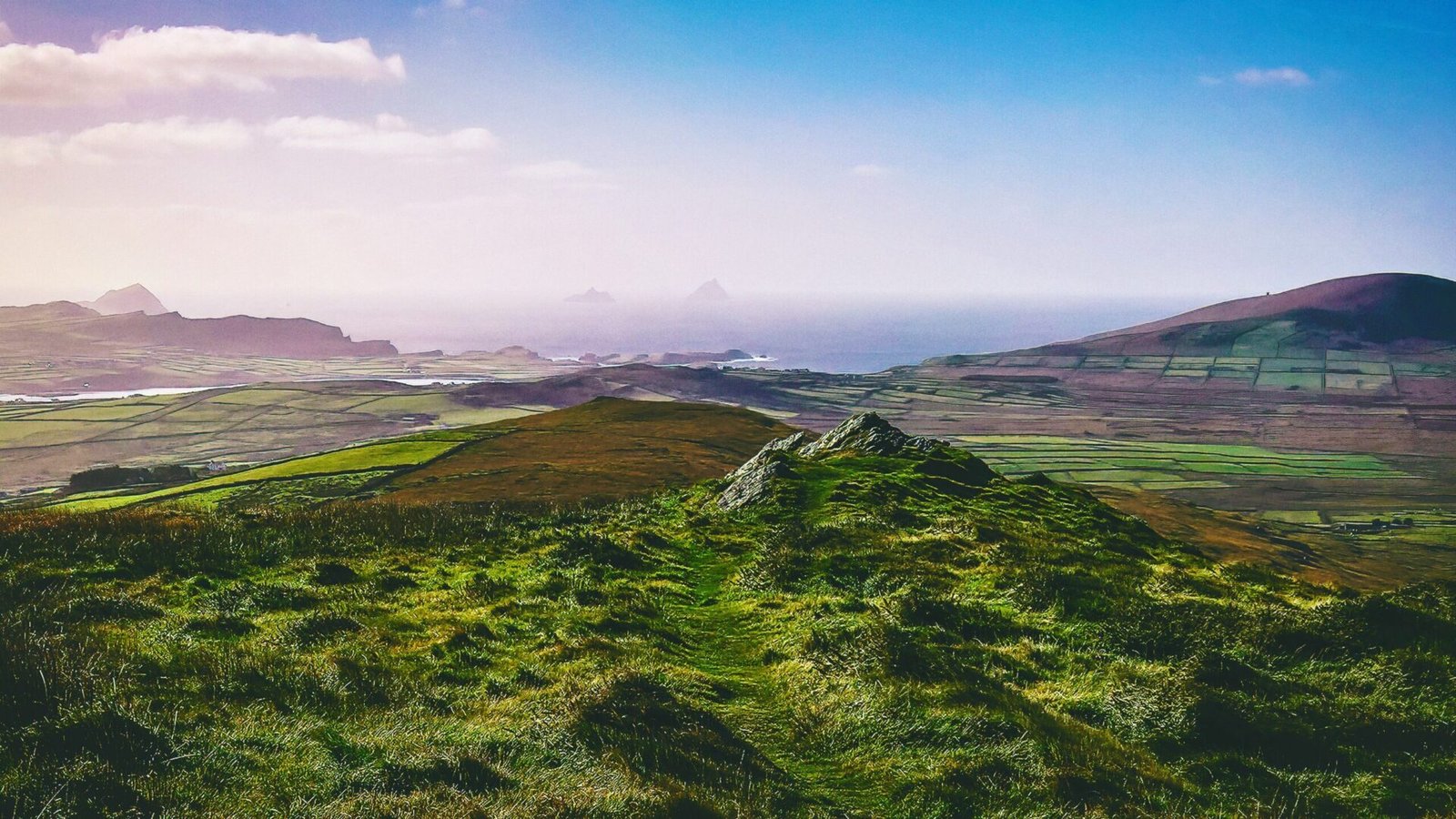
The Irish landscape, a tapestry woven from the threads of myth, history, and natural beauty, has undergone profound transformations over millennia, particularly due to the advent and evolution of farming practices. This transformation is not merely a tale of plowed fields and grazing livestock; it is a rich narrative that intertwines with the very essence of Irish identity, culture, and mythology. As we delve into the impact of agriculture on the Irish landscape, we will explore its historical roots, the shift in land use, the relationship between farming and mythology, and the environmental implications of these changes.
Historical Roots of Farming in Ireland
The story of farming in Ireland dates back to the Neolithic period, around 4000 BCE, when the first settlers began to cultivate the land. These early farmers introduced agriculture to a landscape that was predominantly wild and untamed. The introduction of domesticated crops and animals marked a significant turning point, leading to the gradual transformation of the Irish landscape from dense forests and wetlands into arable land and pastures.
Archaeological evidence reveals that these early agriculturalists practiced a form of shifting cultivation, clearing patches of forest to create fields. This method, while sustainable in the short term, eventually led to more permanent changes in the landscape. The establishment of permanent settlements, such as those found at sites like Newgrange and Knowth, further illustrates the deepening relationship between humans and the land.
The Shift from Subsistence to Commercial Farming
As time progressed, particularly from the medieval period onwards, farming in Ireland evolved from subsistence practices to more commercial endeavors. The introduction of the plough and advancements in agricultural techniques allowed for the cultivation of larger areas, leading to a more structured approach to farming. The landscape began to reflect these changes, with the creation of hedgerows, stone walls, and field systems that delineated ownership and usage.
The 18th and 19th centuries saw a significant shift with the rise of the agricultural revolution. Landowners began to experiment with crop rotation and selective breeding, which not only increased yields but also altered the physical landscape. The once diverse ecosystems of the Irish countryside were increasingly dominated by monocultures, particularly of crops like potatoes, which became a staple food source. This reliance on a single crop would later have devastating consequences during the Great Famine of the 1840s, leading to widespread starvation and emigration.
Farming and the Mythical Landscape
The relationship between farming and the Irish landscape extends beyond mere physical changes; it is deeply interwoven with the myths and legends that have shaped Irish culture. The act of farming has often been imbued with spiritual significance, as the land is viewed as a living entity, rich with stories and ancestral connections. Many ancient sites, such as burial mounds and stone circles, are situated within agricultural landscapes, suggesting a symbiotic relationship between the land’s spiritual and practical uses.
The myth of the Tuatha Dé Danann, for instance, highlights the reverence for the land and its fertility. These mythical beings were believed to be guardians of the earth, and their stories often emphasize the importance of respecting the natural world. Farming practices, therefore, were not just about sustenance; they were also about maintaining harmony with the landscape and honoring the spirits believed to inhabit it.
Furthermore, the seasonal cycles of farming have been mirrored in Irish folklore. Festivals such as Bealtaine and Samhain mark the transitions of the agricultural year, celebrating planting and harvest while acknowledging the cyclical nature of life and death. This interplay between farming and mythology illustrates how deeply embedded agriculture is in the cultural consciousness of the Irish people.
Environmental Implications of Agricultural Practices
While farming has undeniably shaped the Irish landscape in profound ways, it has also led to significant environmental consequences. The shift from diverse ecosystems to monocultures has resulted in habitat loss and a decline in biodiversity. The once vibrant tapestry of wildflowers, hedgerows, and native fauna has been replaced by expansive fields of crops, leading to a more homogenized landscape.
The use of chemical fertilizers and pesticides, particularly during the 20th century, has further exacerbated these issues. The introduction of synthetic chemicals into the agricultural process has not only affected soil health but has also had detrimental effects on local water systems and wildlife. The pollution of rivers and lakes due to runoff from farmland has raised concerns about the sustainability of farming practices and their long-term impact on the Irish environment.
In recent years, there has been a growing awareness of the need for more sustainable farming practices that prioritize ecological health alongside agricultural productivity. Initiatives aimed at promoting organic farming, agroforestry, and regenerative agriculture are gaining traction, reflecting a desire to restore balance between farming and the natural world.
The Role of Traditional Farming Practices
Despite the challenges posed by modern agricultural methods, traditional farming practices in Ireland continue to play a crucial role in shaping the landscape. Small-scale, family-run farms often maintain a diversity of crops and livestock, fostering a more resilient and sustainable approach to agriculture. These farms not only contribute to local economies but also help preserve the cultural heritage of rural Ireland.
The practice of maintaining hedgerows, for instance, is a traditional method that supports biodiversity while providing shelter for livestock and crops. These natural boundaries are essential for the health of the landscape, serving as habitats for various species and acting as corridors for wildlife. The resurgence of interest in traditional farming methods highlights the importance of integrating age-old practices with modern agricultural needs.
The Future of Farming and the Irish Landscape
As we look to the future, the transformation of the Irish landscape due to farming remains a dynamic and evolving narrative. The challenge lies in balancing the need for food production with the imperative to protect and restore the environment. The integration of technology, sustainable practices, and a renewed respect for the land can pave the way for a more harmonious relationship between agriculture and the Irish landscape.
The ongoing dialogue between farming, mythology, and the environment will continue to shape the identity of Ireland, reflecting the resilience and adaptability of its people. As we cultivate the land, we must also cultivate our understanding of its history, its stories, and its significance in the broader tapestry of Irish culture. The transformation of the Irish landscape is not just a tale of change; it is a testament to the enduring connection between the land and its people, a connection that will undoubtedly continue to evolve in the years to come.