Notable Examples of Portal Tombs in Irish Prehistory
Portal tombs, also known as dolmens or portal graves, are among the most iconic structures of Irish prehistory. These ancient monuments, characterized by their distinctive stone configurations, have long captivated archaeologists, historians, and visitors alike. They serve as a testament to the ingenuity and spiritual beliefs of the Neolithic peoples who inhabited Ireland thousands of years ago. In this exploration of notable examples, we will delve into the stories of two remarkable portal tombs: the Poulnabrone Dolmen and the Ballynoe Portal Tomb. We will also touch on the broader significance of these structures in the context of Irish mythology and the landscape.
Poulnabrone Dolmen: A Window into the Past
Located in the heart of the Burren region in County Clare, the Poulnabrone Dolmen stands as one of the most famous portal tombs in Ireland. Dating back to around 4200-2900 BC, this structure is a striking example of Neolithic engineering. The dolmen consists of a large capstone, weighing an estimated 1,000 kilograms, supported by two upright portal stones. The entrance to the tomb is framed by these stones, creating a dramatic and inviting threshold that beckons the curious visitor.
The name “Poulnabrone” translates to “the hole of the sorrows,” a title that hints at the tomb’s ancient significance. Archaeological excavations at the site have revealed a wealth of artifacts, including pottery, tools, and human remains, suggesting that Poulnabrone was not merely a burial site but a focal point for communal rituals and ceremonies. The presence of these artifacts indicates that the tomb was used over an extended period, serving as a place of remembrance and reverence for the deceased.
The alignment of the Poulnabrone Dolmen also adds to its mystique. It is oriented towards the east, allowing the first rays of the morning sun to illuminate the entrance. This celestial alignment suggests that the Neolithic people may have had a sophisticated understanding of astronomy, using the natural landscape to mark significant events in their agricultural calendar or to honor their ancestors during specific times of the year.
Ballynoe Portal Tomb: A Sacred Landscape
Another notable example of a portal tomb is the Ballynoe Portal Tomb, located in County Down. This impressive structure is part of a larger complex that includes a series of burial mounds and standing stones, all set within a landscape rich with mythological significance. The Ballynoe tomb dates back to approximately 3000 BC and is characterized by its large capstone and the arrangement of its portal stones, which create a dramatic entrance.
The Ballynoe Portal Tomb is particularly remarkable for its size and the complexity of its construction. The tomb is surrounded by a circular stone enclosure, which may have served as a ceremonial space. Excavations at the site have uncovered a variety of artifacts, including flint tools and pottery, as well as human remains that suggest a diverse and vibrant community engaged in burial practices that spanned generations.
The landscape surrounding Ballynoe is steeped in myth and legend, with local folklore often attributing the creation of the tomb to supernatural forces. The site is believed to be connected to the ancient tales of the Tuatha Dé Danann, the mythical race of deities in Irish mythology. This connection to the divine elevates the significance of the Ballynoe Portal Tomb, suggesting that it was not only a place of burial but also a site of worship and connection to the spiritual realm.
The Role of Portal Tombs in Irish Mythology
Portal tombs like Poulnabrone and Ballynoe are not merely archaeological sites; they are deeply intertwined with the myths and legends of Ireland. In Irish folklore, these ancient structures are often associated with the Otherworld, a realm inhabited by supernatural beings and ancestors. The belief that the dead could communicate with the living through these tombs underscores their importance in the cultural landscape of ancient Ireland.
Many portal tombs are linked to stories of giants, fairies, and heroic figures, suggesting that they served as markers of sacred space. The act of burial within these structures was likely seen as a way to honor the deceased and ensure their continued presence in the lives of the living. The rituals performed at these sites may have included offerings, prayers, and ceremonies that reinforced the connection between the physical and spiritual worlds.
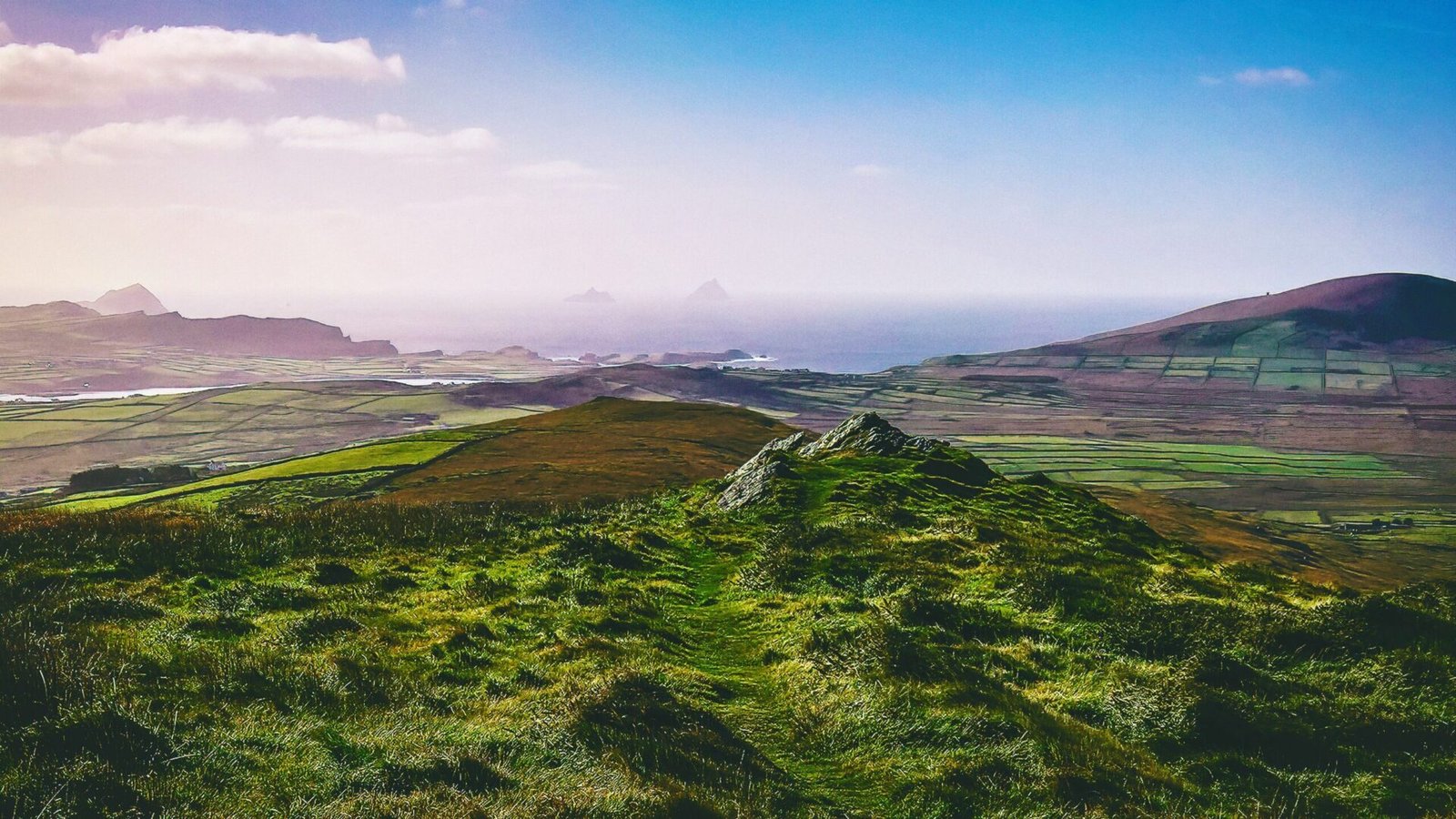
The landscape itself plays a crucial role in the mythology surrounding portal tombs. Often situated on hilltops or within striking natural features, these tombs are positioned to command views of the surrounding terrain. This strategic placement may have been intentional, allowing the Neolithic people to create a sense of connection between the tomb and the land that sustained them. The hills, rivers, and fields surrounding these structures were not just backdrops; they were integral to the stories and beliefs that shaped the lives of the people who built them.
The Legacy of Portal Tombs in Modern Ireland
Today, portal tombs like Poulnabrone and Ballynoe continue to inspire awe and curiosity among visitors from around the world. They serve as a reminder of Ireland’s rich prehistoric heritage and the enduring connection between the past and the present. As modern society grapples with its own relationship to history and the environment, these ancient structures offer valuable insights into the ways our ancestors understood their world.
Efforts to preserve and protect these sites have become increasingly important in recent years. Archaeologists, historians, and local communities work together to ensure that the stories of these tombs are not lost to time. Educational programs, guided tours, and interpretive signage help to engage visitors and foster a deeper appreciation for the cultural significance of these monuments.
In addition to their archaeological value, portal tombs have also become symbols of national identity. They are often featured in literature, art, and popular culture, serving as a source of inspiration for contemporary artists and writers who seek to explore the themes of memory, loss, and connection to the land. The enduring legacy of portal tombs is a testament to the power of place and the stories that shape our understanding of who we are.
As we continue to uncover the mysteries of Ireland’s prehistoric past, portal tombs stand as remarkable monuments to the creativity, spirituality, and resilience of the people who came before us. Their stories are woven into the fabric of the landscape, inviting us to reflect on our own place within this ancient narrative.