Mythological Connections: Carrowmore and the Tapestry of Irish Prehistory
Nestled in the heart of County Sligo, Carrowmore is one of the most significant megalithic sites in Ireland, boasting a rich tapestry of ancient tombs that whisper tales of a time long past. This prehistoric cemetery, dating back to the Neolithic period, is not only a remarkable archaeological site but also a canvas upon which the myths and legends of Ireland have been painted. The connection between Carrowmore and Irish mythology is profound, revealing how the landscape is interwoven with stories that have shaped cultural identity over millennia.
Local Legends and Stories Associated with Carrowmore
The ancient stones of Carrowmore are steeped in local lore, each mound and passage grave echoing the voices of the past. One of the most enduring legends is that of the Cailleach, the divine hag of Irish mythology who is often associated with the creation of the landscape. According to local tales, the Cailleach transformed the mountains and valleys of Sligo, shaping the very earth with her powerful presence. It is said that she turned to stone when she was no longer able to roam the land, and her form can be seen in the hills surrounding Carrowmore.
Another captivating story involves the Tuatha Dé Danann, the mythical race of gods and heroes in Irish folklore. Carrowmore is believed to be a sacred site where these deities once walked. The mounds are thought to be portals to the Otherworld, a realm inhabited by the Tuatha Dé Danann, and many locals assert that the spirits of these ancient beings still linger among the stones. The legends suggest that the mounds were not merely burial sites but also places of worship and communion with the divine.
One particular tale speaks of Queen Medb, a powerful figure in Irish mythology known for her fierce ambition and leadership. It is said that she was buried in one of the mounds at Carrowmore, her spirit watching over the land. Medb’s association with the site underscores the belief that the ancient tombs were not only final resting places but also markers of power and influence, connecting the living with their ancestral past.
Significance in the Context of Irish Mythology
Carrowmore’s significance extends beyond local legends; it serves as a crucial link to the broader narrative of Irish mythology. The site is emblematic of the Neolithic people’s relationship with the cosmos and their understanding of life, death, and the afterlife. The alignment of the tombs with celestial events, such as solstices and equinoxes, suggests that these ancient people had a sophisticated grasp of astronomy, which they integrated into their spiritual practices.
The alignment of the tombs at Carrowmore with the rising and setting sun during significant times of the year reflects the importance of the sun in Irish mythology. The sun was often personified as a deity, symbolizing life, fertility, and rebirth. The act of burying their dead in alignment with celestial bodies indicates a belief in an afterlife where the spirits of the deceased would join the sun in its eternal cycle.
Moreover, Carrowmore is part of a larger landscape of mythological connections that includes other significant sites, such as Knocknarea and Lough Gill. These locations are interlinked through a network of stories and legends, creating a rich mythological tapestry that defines the cultural identity of the region. The mountains and lakes surrounding Carrowmore are often mentioned in tales of the Fomorians, a race of supernatural beings in Irish mythology, who were said to dwell in the shadows, representing chaos and darkness. This interplay of light and dark, order and chaos, is a recurring theme in Irish myths, and Carrowmore stands as a testament to this duality.
Archaeological Insights and Mythological Interpretations
Archaeological excavations at Carrowmore have unearthed a wealth of artifacts, including pottery, tools, and human remains. These findings provide invaluable insights into the lives of the people who built these tombs and their beliefs about death and the afterlife. The presence of cremated remains and grave goods suggests that the ancient inhabitants of Carrowmore practiced elaborate burial rituals, possibly influenced by their mythological beliefs.
The artifacts discovered at Carrowmore also reveal connections to other cultures, indicating that the site was a focal point for trade and interaction. This exchange of ideas and practices may have contributed to the development of the rich mythological narratives that surround the site. The blending of local traditions with those of neighboring cultures created a dynamic mythological landscape that continues to resonate today.
Furthermore, the oral traditions that have persisted through generations serve as a bridge between the past and present. Storytellers in the region have kept alive the tales of Carrowmore, passing them down through time. These narratives not only preserve the memory of the site but also reflect the evolving relationship between the people and their landscape. The act of storytelling itself becomes a form of reverence, a way to honor the ancestors and the spirits that dwell within the mounds.
The Role of Nature in Mythological Connections
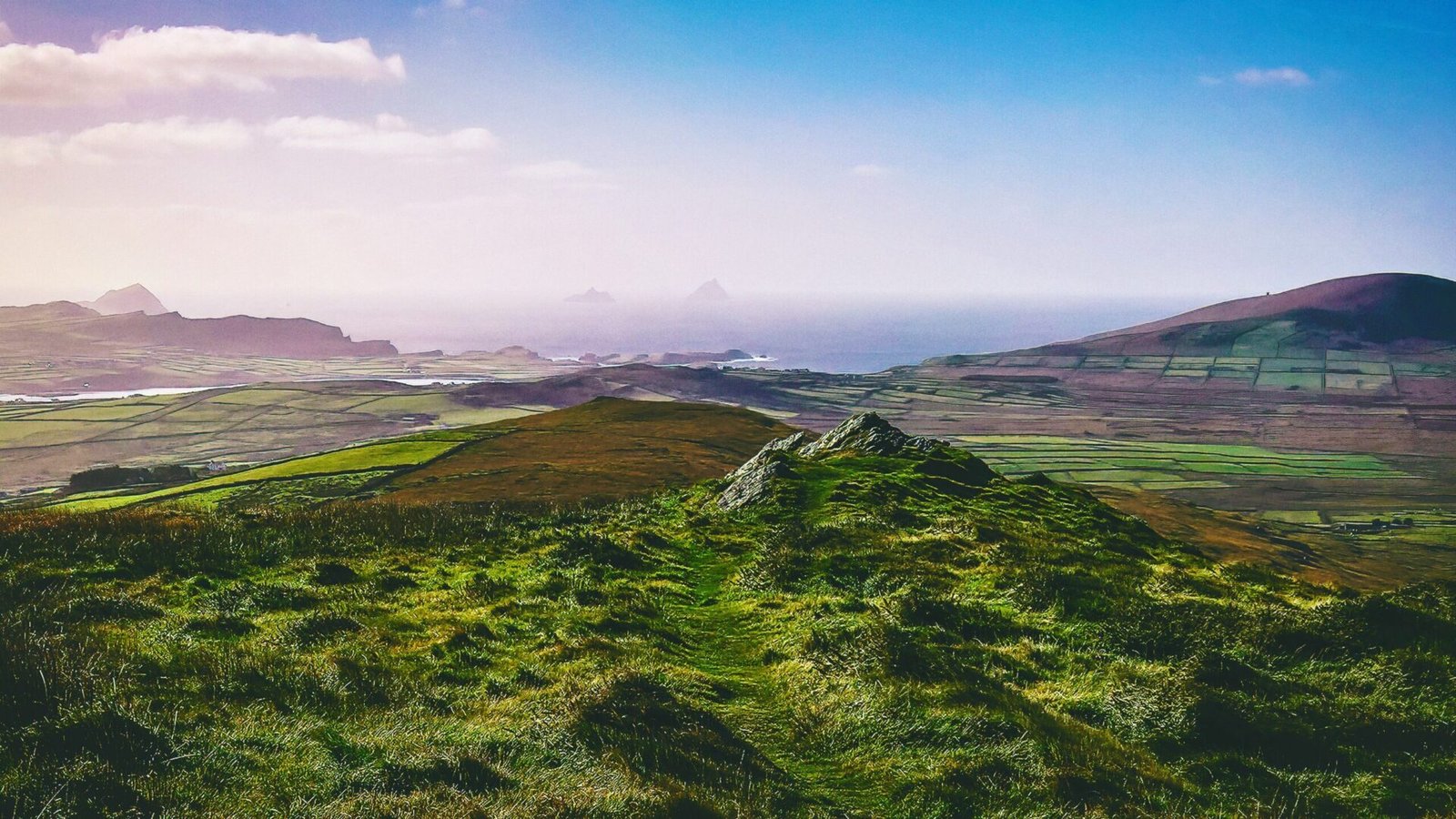
The natural landscape surrounding Carrowmore plays a pivotal role in the mythological narratives that have emerged from the site. The rugged hills, lush valleys, and shimmering lakes create a dramatic backdrop that inspires awe and reverence. In Irish mythology, nature is often imbued with spiritual significance, and the landscape is seen as a living entity, rich with stories waiting to be told.
The Mullaghmore Head, visible from Carrowmore, is steeped in its own legends, often associated with the sea and the otherworldly. Tales of mermaids and sea spirits abound, intertwining the coastal landscape with the mythological narratives of Carrowmore. The interplay between land and sea, earth and sky, reflects the interconnectedness of all things in Irish mythology, emphasizing the belief that the natural world is infused with divine presence.
In this context, Carrowmore is not just a collection of ancient tombs; it is a sacred landscape where the past and present converge. The site embodies the belief that the spirits of the ancestors are ever-present, watching over the land and its people. The act of visiting Carrowmore becomes a pilgrimage, a journey into the heart of Irish mythology, where one can connect with the stories that have shaped the cultural identity of the region.
Conclusion
As we delve into the mythological connections of Carrowmore, we uncover a rich tapestry woven from local legends, archaeological insights, and the enduring power of nature. This ancient site stands as a testament to the profound relationship between the people of Ireland and their landscape, where every stone and mound tells a story that transcends time. The myths associated with Carrowmore continue to resonate, inviting us to explore the depths of our shared human experience and the timeless quest for understanding the mysteries of life and death.