Mythological Connections: Carrowkeel and the Tapestry of Irish Folklore
Nestled in the heart of County Sligo, the Carrowkeel passage tombs rise majestically from the landscape, their ancient stones whispering tales of a time long past. These Neolithic structures, part of the Carrowkeel complex, are not just archaeological wonders; they are profound connections to the myths and legends that have shaped Irish culture for millennia. As we delve into the rich tapestry of mythology surrounding Carrowkeel, we uncover the cultural significance of these sites within the broader context of Irish folklore, spirituality, and the landscape itself.
Myths and Legends Related to Carrowkeel
The Carrowkeel tombs, dating back to around 4000 BC, are steeped in mythological significance. In Irish folklore, the landscape is often imbued with stories that explain its origins and the people who once inhabited it. One of the most compelling legends associated with Carrowkeel is that of the goddess Ériu, the personification of Ireland. Ériu is said to have presided over the land and its people, and her spirit is believed to linger in the hills and valleys of Sligo. The tombs at Carrowkeel may have served as sacred sites where the ancient Irish paid homage to Ériu and other deities, marking the landscape as a place of reverence and connection to the divine.
Another prominent figure in Irish mythology is the hero Cú Chulainn, a warrior whose exploits are celebrated in the epic tales of the Táin Bó Cúailnge. While there is no direct mention of Carrowkeel in these tales, the region’s rich mythology suggests that the landscape itself played a role in the stories of heroes and gods. The hills surrounding Carrowkeel, with their enigmatic stone structures, evoke a sense of mystery that aligns with the heroic quests and trials faced by Cú Chulainn and others. The very act of traversing this ancient landscape can feel like stepping into a living myth, where the past and present intertwine.
Cultural Significance in the Context of Irish Folklore
Carrowkeel’s significance extends beyond its physical presence; it is a cultural touchstone that connects contemporary Irish identity with its prehistoric roots. The passage tombs are part of a broader tradition of megalithic structures found throughout Ireland, each with its own stories and legends. These sites are often seen as a bridge between the living and the dead, a theme prevalent in Irish folklore. The belief in the Otherworld, a realm inhabited by spirits and deities, permeates the stories told around these ancient sites. Carrowkeel, with its burial mounds and elaborate stone carvings, embodies this connection, serving as a reminder of the cyclical nature of life and death.
In Irish mythology, the act of burial is not merely an end but a transition to another realm. The passage tombs of Carrowkeel may have been places where the living honored their ancestors, ensuring that their spirits would continue to watch over them. This practice reflects a deep-seated belief in the interconnectedness of all beings, a theme that resonates throughout Irish folklore. The stories of the Tuatha Dé Danann, the mythical race of gods and heroes, further illustrate this connection, as they are often depicted as guardians of the land and its people. The landscape of Carrowkeel, with its ancient tombs, can be seen as a testament to this enduring relationship between the living and the dead.
The Landscape as a Living Myth
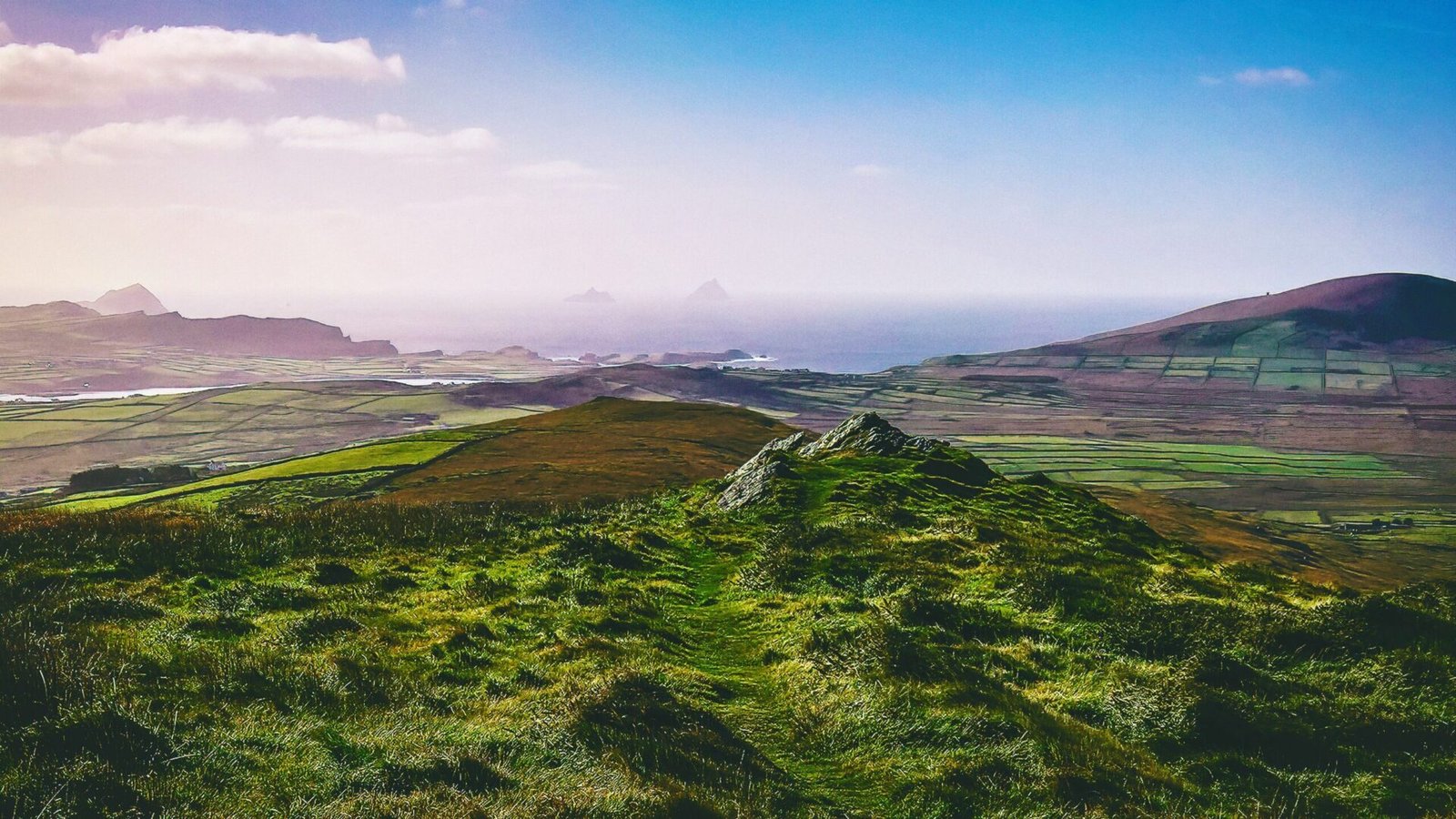
The very landscape of Carrowkeel is imbued with mythological significance. The hills, valleys, and stones are not just physical features; they are characters in the ongoing narrative of Irish identity. The concept of “landscape as text” is particularly relevant here, as the natural world is often interpreted through the lens of mythology. Each hill and stone tells a story, and the act of walking through this ancient terrain can evoke a sense of connection to the past.
The Carrowkeel complex is part of a larger network of sacred sites in Ireland, including the famous Hill of Tara and the passage tombs of Newgrange. These sites are often aligned with astronomical events, suggesting that the ancient builders had a profound understanding of the cosmos. The alignment of the tombs at Carrowkeel with the rising sun during the equinoxes speaks to a deep spiritual connection to the cycles of nature. This alignment is not merely a coincidence; it reflects the belief that the heavens and the earth are intertwined, a theme that resonates throughout Irish mythology.
Folklore and the Spirit of Place
In addition to the grand narratives of gods and heroes, the folklore surrounding Carrowkeel is rich with local tales and legends. The people of Sligo have long held a deep reverence for the tombs, weaving stories that reflect their relationship with the land. These tales often feature supernatural beings, such as the leprechaun or the banshee, who are said to inhabit the hills and valleys. The presence of these figures in local lore highlights the belief that the landscape is alive with spirits, each with its own story to tell.
One popular local legend speaks of a hidden treasure buried within the mounds of Carrowkeel, guarded by a fierce spirit. This tale serves as a reminder of the enduring human desire for connection to the past and the mysteries that lie beneath the surface of the earth. The allure of hidden treasures and the promise of discovery are themes that resonate with the human experience, drawing people to these ancient sites in search of their own stories.
The Role of Carrowkeel in Contemporary Culture
Today, Carrowkeel continues to inspire artists, writers, and seekers of all kinds. The tombs have become a focal point for those interested in the intersection of history, mythology, and spirituality. As a site of pilgrimage, Carrowkeel attracts visitors who seek to connect with their heritage and explore the deeper meanings of existence. The stories of Ériu, Cú Chulainn, and the myriad of local legends serve as a backdrop for personal exploration and reflection.
In recent years, there has been a resurgence of interest in Irish mythology and folklore, with contemporary artists drawing inspiration from the rich narratives associated with sites like Carrowkeel. This revival serves to keep the stories alive, ensuring that the myths of the past continue to resonate in the present. The landscape, imbued with the essence of these tales, remains a source of inspiration and connection for generations to come.
As we explore the mythological connections of Carrowkeel, we uncover a rich tapestry of stories that reflect the enduring relationship between the land and its people. The ancient tombs stand as a testament to the power of myth and the ways in which it shapes our understanding of the world around us. In the hills of Sligo, the past and present converge, inviting us to engage with the stories that have shaped Irish identity and continue to inspire us today.