The Significance of the Otherworld in Relation to Sacred Mounds
Introduction to Sacred Mounds
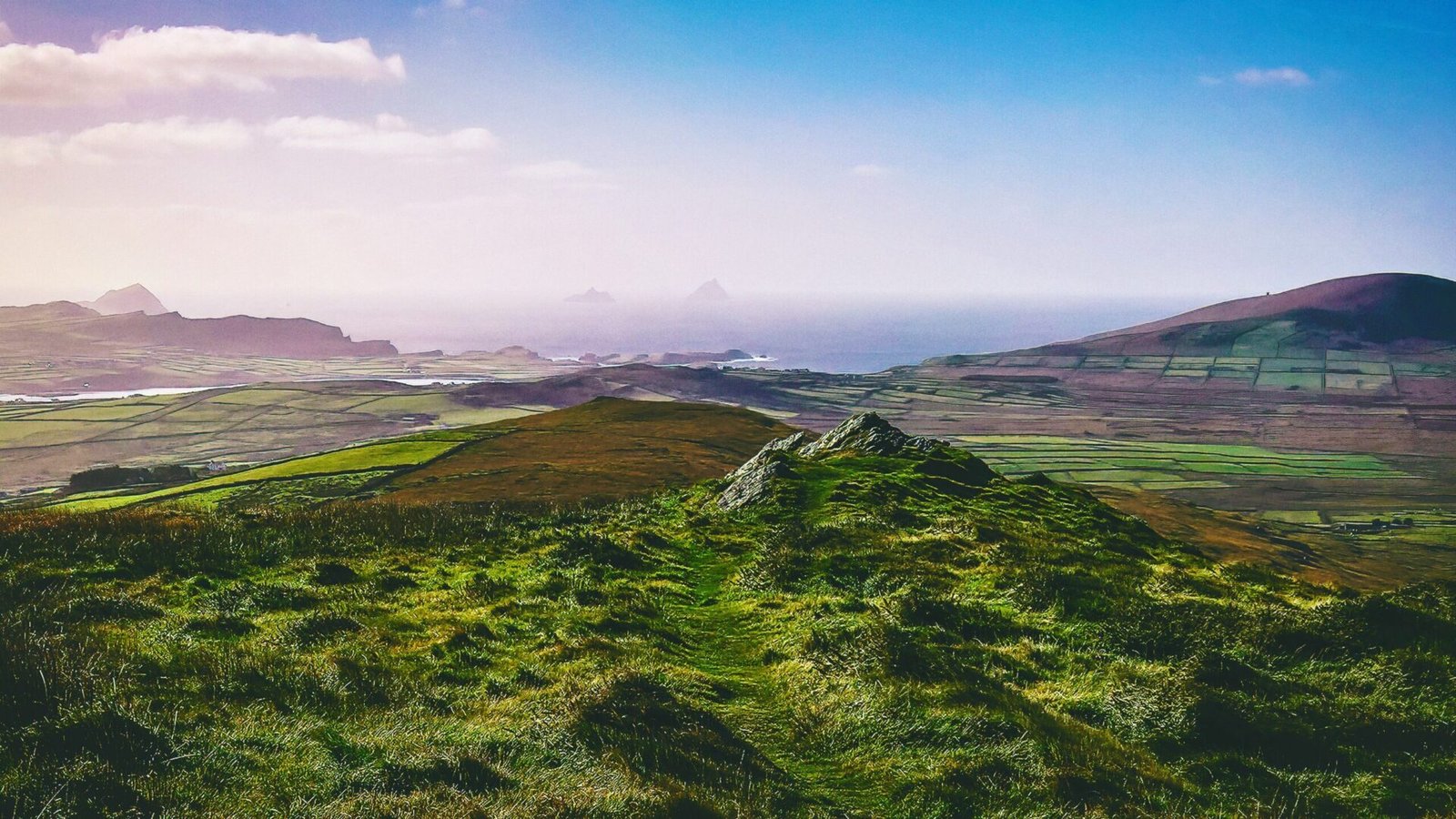
In the heart of the Irish landscape, sacred mounds rise majestically from the earth, their forms steeped in myth and mystery. These earthen structures, often referred to as tumuli or barrows, are not merely geographical features; they are portals to a rich tapestry of mythological narratives that connect the living with the Otherworld. In ancient Irish belief, the Otherworld is a realm of enchantment, a place where the boundaries between the mortal and the divine blur, and where the past, present, and future coexist in a timeless dance. The sacred mounds serve as tangible links to this ethereal domain, embodying the spiritual significance of the landscape and the stories that have shaped Irish identity.
The Otherworld in Irish Mythology
The Otherworld, or Tír na nÓg, is a central theme in Irish mythology, often depicted as a paradise inhabited by supernatural beings, including gods, goddesses, and the Tuatha Dé Danann, the mythological ancestors of the Irish people. This realm is characterized by eternal youth, beauty, and abundance, contrasting sharply with the hardships of the earthly life. Myths such as the tale of Oisín and Niamh illustrate the allure of the Otherworld, where time flows differently, and the mundane concerns of the human experience fade away.
Sacred mounds are intricately tied to these narratives, serving as the physical manifestations of the Otherworld. They are often seen as entrances or gateways, where mortals can interact with the divine. For example, the famous Newgrange passage tomb, with its intricate carvings and alignment with the winter solstice, is believed to symbolize the rebirth of the sun and the cyclical nature of life and death. Such structures are not merely burial sites; they are sacred spaces that invite contemplation and connection with the Otherworld.
The Role of Sacred Mounds in Rituals
The significance of sacred mounds extends beyond their mythological associations; they also played a crucial role in ancient rituals and ceremonies. These sites were often chosen for their geographical prominence, visibility, and connection to the surrounding landscape. Archaeological evidence suggests that sacred mounds were the focal points for communal gatherings, offerings, and rites aimed at appeasing the gods and ensuring fertility, prosperity, and protection for the community.
The act of burial itself within these mounds was imbued with profound meaning. It was believed that the dead would journey to the Otherworld, and thus, the way they were interred reflected their status and the community’s beliefs about life after death. Grave goods, such as weapons, jewelry, and food, were often placed within the mounds to accompany the deceased on their journey, reinforcing the idea that the Otherworld was a continuation of life, albeit in a different form.
The Landscape as a Living Narrative
In Irish prehistory, the landscape was not merely a backdrop for human activity; it was a living narrative, imbued with stories and significance. Sacred mounds, along with rivers, hills, and stones, formed a complex web of meaning that connected communities to their ancestors and the divine. The act of storytelling was intrinsically linked to these physical spaces, as myths were often tied to specific locations, enhancing their significance.
For instance, the hill of Tara, a prominent sacred site, is steeped in legend as the seat of the High Kings of Ireland. It is said to be a gateway to the Otherworld, where the spirits of the ancestors linger. The stories associated with Tara not only celebrate its historical importance but also reinforce the idea that the landscape itself is a repository of collective memory, a canvas upon which the myths of the past are painted.
The Interplay of Time and Space
The sacred mounds serve as a reminder of the fluidity of time and space in Irish mythology. In the Otherworld, time is often depicted as non-linear, allowing for encounters with figures from the past, present, and future. This concept resonates deeply within the context of sacred mounds, where the act of visiting these sites can evoke a sense of timelessness. Pilgrimages to these mounds, whether for personal reflection or communal ceremonies, create a bridge between the earthly realm and the divine, allowing individuals to transcend the limitations of their temporal existence.
Moreover, the seasonal cycles, particularly the solstices and equinoxes, are intricately woven into the fabric of these sacred sites. The alignment of mounds like Newgrange with celestial events underscores the connection between the earthly and the cosmic, reinforcing the belief that the Otherworld is not a distant realm but an integral part of the natural world. The rituals performed during these times served to honor the cycles of nature, ensuring harmony between the community and the divine forces that governed their lives.
The Influence of Christianity
As Christianity spread across Ireland, the significance of sacred mounds and the Otherworld underwent a transformation. The early Christian missionaries often sought to integrate existing beliefs into the new faith, leading to a syncretism that blended pagan traditions with Christian narratives. Sacred mounds were sometimes repurposed as sites for Christian worship, yet their mythological significance remained embedded in the cultural consciousness.
Legends of saints and miraculous events often emerged in connection with these ancient sites, illustrating the enduring power of the landscape as a vessel for spiritual connection. The stories of saints like Patrick and Brigid, who are said to have interacted with the Otherworld, reflect the ongoing dialogue between the old beliefs and the new faith, highlighting the adaptability of Irish spirituality.
Contemporary Reflections on Sacred Mounds
Today, sacred mounds continue to captivate the imagination of scholars, artists, and spiritual seekers alike. They serve as reminders of the rich tapestry of Irish mythology and the deep connection between the landscape and cultural identity. Modern interpretations of the Otherworld often draw upon the ancient narratives, exploring themes of spirituality, nature, and the human experience.
Archaeological research and public engagement initiatives have also revitalized interest in these sacred sites, fostering a sense of stewardship and appreciation for the cultural heritage they represent. As people gather at these mounds for festivals, ceremonies, and educational events, they reaffirm the enduring significance of the Otherworld in contemporary Irish life.
In this way, sacred mounds remain not only as relics of the past but as vibrant symbols of a living tradition, inviting exploration and contemplation of the mysteries that lie beyond the veil of the known world. Through these ancient structures, the stories of the Otherworld continue to resonate, reminding us of the profound connections that bind us to our ancestors, our landscape, and the eternal quest for meaning in the human experience.