The Role of Sacred Mounds in Ancient Irish Society
In the verdant landscape of Ireland, where rolling hills meet the sky and ancient stones whisper tales of yore, sacred mounds stand as silent sentinels of a bygone era. These earthen structures, known as tumuli or barrows, were not merely burial sites; they were pivotal in the spiritual, social, and political fabric of ancient Irish society. This pillar page delves into the multifaceted role of sacred mounds, exploring their significance in burial practices, mythology, and their enduring connection to the Irish landscape.
Sacred Mounds as Burial Sites
The primary function of sacred mounds in ancient Ireland was as burial sites. These structures served as the final resting places for the elite and the powerful, reflecting a society that revered its leaders and ancestors. The construction of these mounds often involved considerable labor and resources, indicating the importance of the deceased and the belief in an afterlife.
Archaeological evidence suggests that many of these mounds were built during the Neolithic period, around 4000 to 2500 BCE. They were typically constructed using earth and stone, with some featuring intricate passageways leading to burial chambers. The most famous of these is Newgrange, a UNESCO World Heritage site, which aligns with the winter solstice, allowing sunlight to illuminate the inner chamber at dawn. This celestial event underscores the connection between the mounds and the cosmos, suggesting that the ancient Irish viewed death not as an end, but as a transition to another realm.
The burial practices associated with these mounds varied, but they often included grave goods—items such as pottery, tools, and jewelry—intended to accompany the deceased into the afterlife. These offerings reflect the beliefs and values of the society, providing insight into their daily lives, trade networks, and spiritual practices.
The Mythological Landscape
In addition to their practical uses, sacred mounds are deeply interwoven with Irish mythology. Many of these sites are linked to ancient tales and legends, serving as physical manifestations of the stories that shaped the cultural identity of the Irish people. For instance, the mound at Tara, known as the Hill of Tara, is steeped in mythological significance. It was believed to be the seat of the High Kings of Ireland and the site of the ancient assembly, where leaders would gather to make decisions and celebrate their sovereignty.
The stories associated with these mounds often feature deities, heroes, and supernatural beings, reflecting the beliefs of a society that saw the world as inhabited by both human and divine forces. The mounds themselves were thought to be portals to the Otherworld, a mystical realm where the dead resided and where time flowed differently. This belief imbued the landscape with a sense of sacredness, as each mound became a focal point for ritual and reverence.
Rituals and Ceremonies
The sacred mounds served as venues for various rituals and ceremonies, reinforcing their significance in the spiritual life of ancient Irish society. These gatherings were often tied to seasonal changes, agricultural cycles, and important life events such as births, marriages, and deaths. The mounds provided a communal space for the living to honor their ancestors and seek guidance from the spirits of the past.
One notable ritual associated with the mounds was the practice of ancestor worship. The ancient Irish believed that the spirits of their ancestors played a vital role in their lives, offering protection and wisdom. By gathering at the mounds to perform ceremonies, the living maintained a connection with their forebears, ensuring that the lineage and traditions were upheld. This practice fostered a sense of community and continuity, reinforcing the bonds between generations.
Political Significance
The political implications of sacred mounds cannot be understated. In a society where lineage and heritage were paramount, these structures often served as symbols of power and authority. The construction of a mound could signify the ascendance of a new leader or the consolidation of power within a particular clan or tribe. The act of building a mound was not merely a physical endeavor; it was a statement of identity, ambition, and legacy.
The Hill of Tara, for example, was not only a burial site but also a political center where the kings of Ireland were inaugurated. The rituals performed at Tara were steeped in symbolism, reinforcing the divine right of kingship and the connection between the ruler and the land. The mound became a focal point for political gatherings, where alliances were forged, disputes settled, and the fate of the realm determined.
The Connection to the Landscape
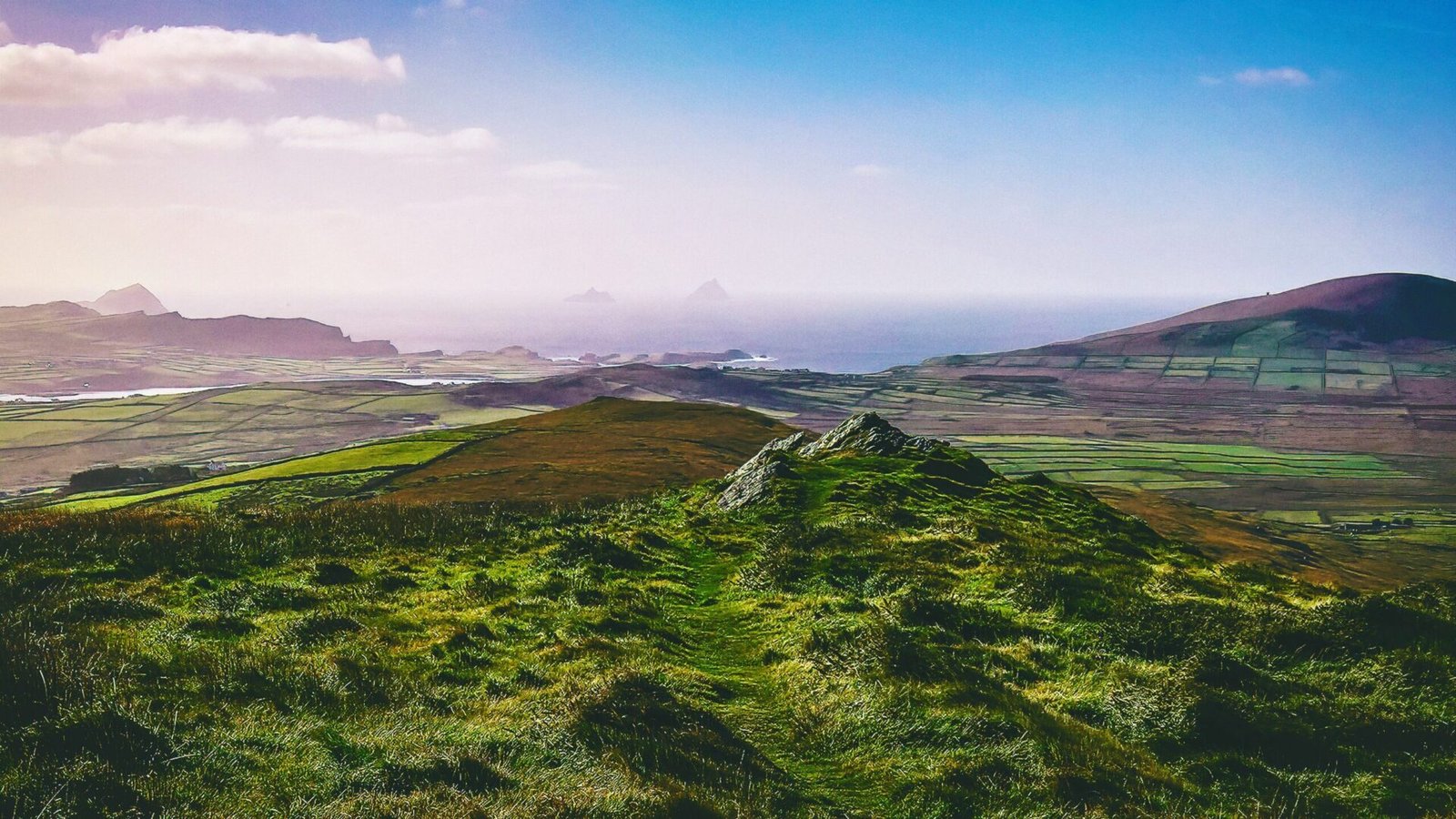
The sacred mounds of ancient Ireland are intrinsically linked to the landscape itself. Their locations were often chosen for their visibility, commanding views, or proximity to natural features such as rivers and mountains. This strategic placement underscores the ancient Irish understanding of their environment, as they sought to harmonize their spiritual beliefs with the physical world around them.
The mounds also served as navigational landmarks, guiding travelers through the often-treacherous terrain. As such, they became integral to the cultural landscape, shaping the way people moved, interacted, and understood their surroundings. The relationship between the mounds and the landscape is a testament to the ancient Irish worldview, which saw the earth as a living entity imbued with spiritual significance.
Legacy and Modern Significance
Today, the sacred mounds of ancient Ireland continue to captivate the imagination and inspire a sense of wonder. They are not only archaeological sites but also cultural symbols that connect contemporary Irish society to its rich heritage. The ongoing interest in these mounds has led to increased efforts in preservation and education, ensuring that future generations can appreciate their historical and cultural significance.
Moreover, the mounds have become focal points for modern spiritual practices, as individuals and communities seek to reconnect with their ancestral roots. The rituals and beliefs that once surrounded these structures continue to resonate, reminding us of the enduring power of place and memory in shaping identity.
In conclusion, the sacred mounds of ancient Ireland are far more than mere burial sites; they are complex symbols of spirituality, mythology, and social structure. Their significance transcends time, offering a glimpse into the beliefs and values of a society deeply connected to its landscape and its ancestors. As we explore these ancient structures, we uncover not only the history of Ireland but also the timeless human quest for meaning, connection, and belonging.