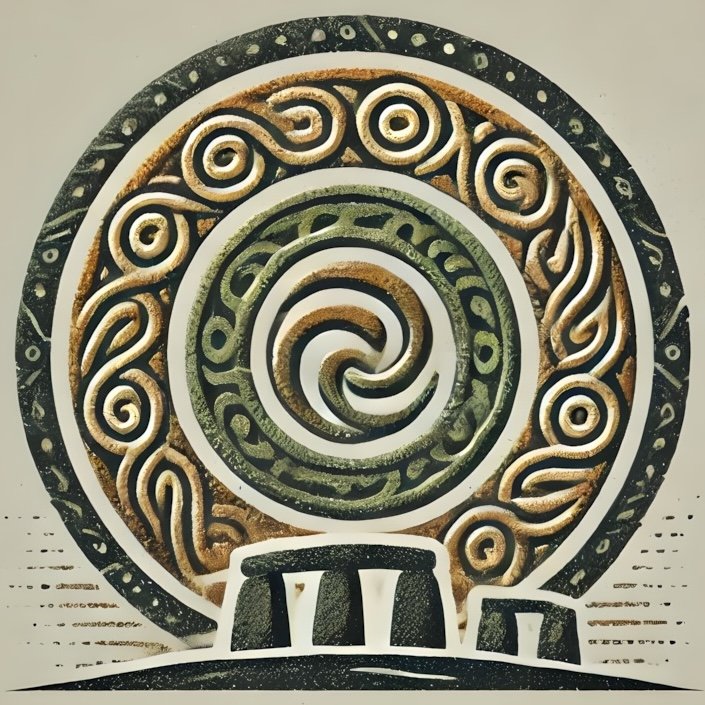

Overview of Archaeological Findings at Sacred Mounds
Introduction to Sacred Mounds
Sacred mounds, often referred to as barrows, tumuli, or earthworks, are significant archaeological features that dot the landscape of Ireland and beyond. These structures, ranging from simple earthen heaps to elaborate complexes, have long been associated with ritualistic practices, burial customs, and community gatherings. Their presence in the landscape speaks to the deep-seated connections between the people who constructed them and their beliefs, as well as their relationship with the natural world. In this section, we will explore the archaeological findings at these sacred sites and what they reveal about the prehistoric societies that created them.
The Nature of Sacred Mounds
Sacred mounds can vary greatly in size, shape, and construction techniques. They are often found in prominent locations, such as hilltops or riverbanks, suggesting that they held significant visibility and importance within the landscape. Many mounds are burial sites, containing human remains and grave goods that provide insight into the social structures, beliefs, and practices of the people who built them.
In Ireland, some of the most famous sacred mounds include the passage tombs at Newgrange, Knowth, and Dowth in the Boyne Valley. These sites are characterized by their intricate stone carvings and sophisticated architectural designs, indicating a high level of craftsmanship and communal effort. The alignment of these tombs with celestial events, such as the winter solstice, further underscores their importance as places of ritual and worship.
Archaeological Excavations and Findings
Burial Practices
One of the primary focuses of archaeological excavations at sacred mounds has been the examination of burial practices. The discovery of human remains, along with grave goods such as pottery, tools, and jewelry, provides valuable information about the beliefs and customs of prehistoric societies. For instance, the presence of grave goods often indicates a belief in an afterlife, suggesting that the deceased were honored and remembered by their communities.
Excavations at sites like Newgrange have revealed multiple burial phases, indicating that these mounds were not only used for single interments but were also places of ongoing ritual activity. The careful placement of remains and the inclusion of specific items reflect a complex understanding of death and the afterlife, as well as the social status of the individuals buried there.
Ritualistic Activities
In addition to burial practices, archaeological findings at sacred mounds have uncovered evidence of ritualistic activities. Artifacts such as ceremonial axes, decorated pottery, and offerings of food and drink suggest that these sites served as focal points for communal gatherings and religious ceremonies. The presence of large quantities of animal bones, particularly from cattle and pigs, indicates that feasting was an integral part of the rituals conducted at these mounds.
The alignment of many sacred mounds with astronomical events, such as solstices and equinoxes, further emphasizes their role in ritual practices. The careful orientation of structures like Newgrange, which aligns with the rising sun on the winter solstice, highlights the importance of celestial phenomena in the spiritual lives of prehistoric communities.
The Role of Sacred Mounds in Landscape and Identity
Symbolic Significance
Sacred mounds are not merely physical structures; they are imbued with symbolic significance that reflects the identity and beliefs of the communities that built them. These mounds often served as markers of territory, delineating the boundaries of tribal lands and asserting the presence of a community within the landscape. The act of constructing a mound can be seen as a way of claiming and transforming the land, imbuing it with cultural meaning.
The carvings and symbols found on many mounds, such as spirals and meanders, suggest a rich tapestry of mythological narratives and cosmological beliefs. These symbols may represent connections to ancestors, deities, or natural forces, and their presence on sacred mounds indicates that these sites were places of storytelling and memory.
Community and Social Structure
The construction of sacred mounds likely required significant communal effort, reflecting the social structures of prehistoric societies. The organization of labor, resources, and knowledge necessary to build these monumental structures indicates a level of social cohesion and cooperation. The presence of multiple burial phases and the inclusion of various grave goods suggest that these mounds were not only individual burial sites but also places of collective memory and identity.
Archaeological findings have shown that the construction and use of sacred mounds were often tied to specific kinship groups or clans. The burial of prominent individuals within these mounds may have served to reinforce social hierarchies and establish lineage connections. In this way, sacred mounds acted as physical manifestations of social organization, linking the living with their ancestors and the land itself.
The Influence of Sacred Mounds on Mythology
Myths and Legends
The connection between sacred mounds and mythology is a rich area of exploration. Many myths and legends in Irish culture reference sacred sites, weaving narratives that explain their origins and significance. For instance, the tale of the Tuatha Dé Danann, a mythical race of gods and heroes, often involves the construction of mounds and earthworks as a means of establishing their presence in the landscape.
These myths serve not only as stories but also as frameworks for understanding the world. They provide insights into how prehistoric peoples perceived their environment, their ancestors, and their place within the cosmos. The sacred mounds, therefore, become not only burial sites but also narrative landscapes, where the stories of the past are etched into the earth itself.
The Interplay of Archaeology and Myth
The interplay between archaeological findings and mythology offers a unique perspective on the significance of sacred mounds. While archaeology provides tangible evidence of past practices, myths and legends enrich our understanding of the cultural and spiritual dimensions of these sites. The stories that have been passed down through generations often reflect the values, beliefs, and experiences of the people who inhabited the landscape.
Archaeologists and scholars continue to explore this relationship, seeking to bridge the gap between the material and the mythical. By examining the artifacts and structures found at sacred mounds alongside the rich tapestry of Irish mythology, we can gain a deeper appreciation for the ways in which these sites shaped the identities and worldviews of prehistoric communities.
Conclusion
The archaeological findings at sacred mounds offer a fascinating glimpse into the lives of prehistoric societies in Ireland. Through the examination of burial practices, ritual activities, and the symbolic significance of these structures, we can begin to understand the complex interplay between community, identity, and belief. As we continue to explore these ancient sites, we uncover not only the physical remnants of the past but also the rich narratives that have shaped the landscape and its people for millennia.