Carrowkeel: Symbolism and Community Practices
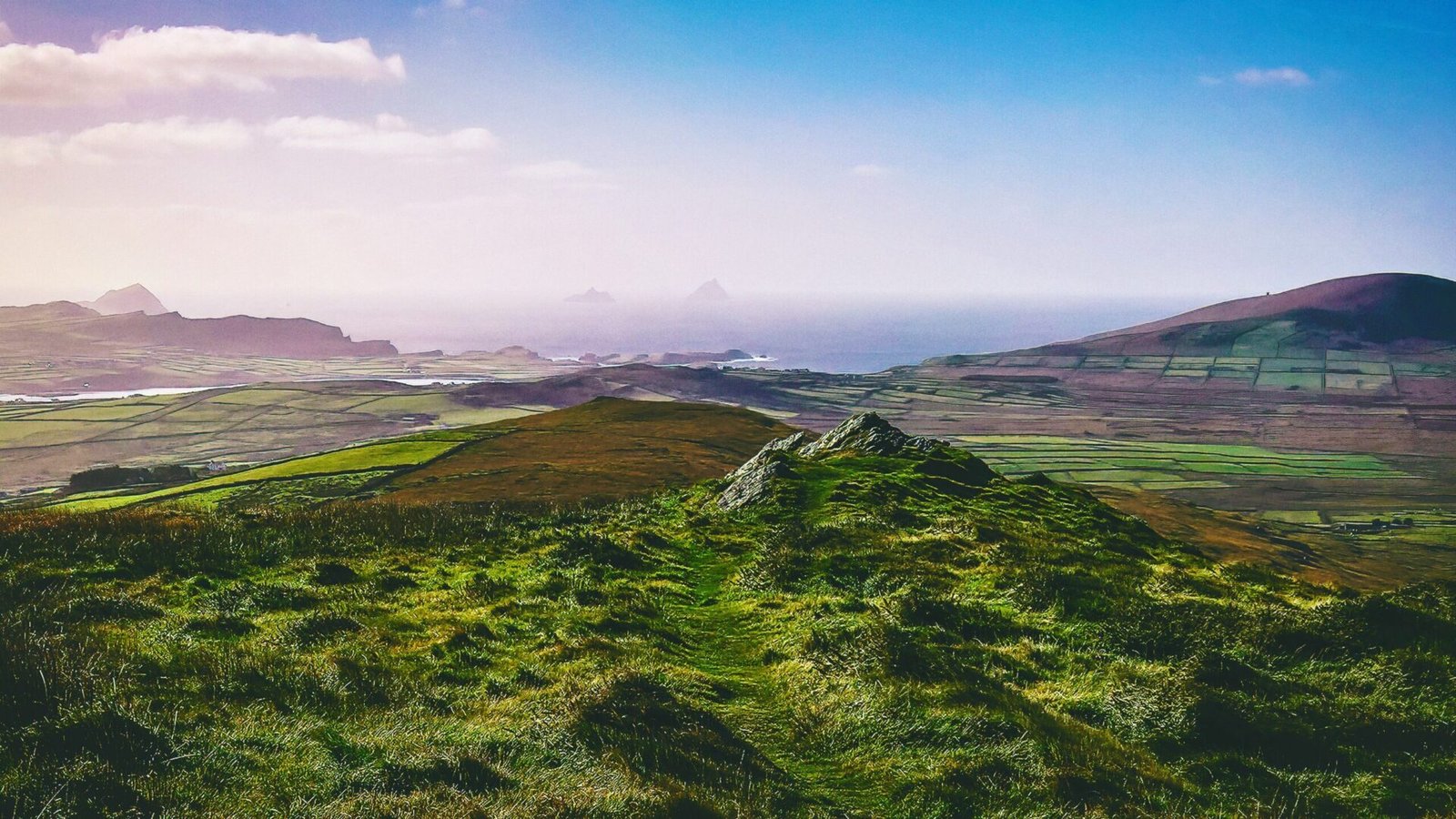
Nestled amidst the rolling hills of County Sligo, Carrowkeel is a remarkable complex of megalithic tombs that dates back to the Neolithic period, around 3500-2500 BCE. This ancient site, often overshadowed by its more famous counterparts like Newgrange and Loughcrew, holds a wealth of symbolism and community practices that resonate deeply with Ireland’s rich tapestry of mythology and prehistory. In examining Carrowkeel, we uncover not only its architectural marvels but also the cultural significance it held for the communities that once thrived in its shadow.
The Architecture of Carrowkeel
Carrowkeel consists of a series of passage tombs, many of which are clustered on a high plateau. The tombs are characterized by their corbelled roofs and intricate stonework, constructed with a precision that speaks to the advanced skills of their builders. Each tomb is adorned with a variety of symbols, including spirals, circles, and other geometric patterns that echo the motifs found in other Neolithic sites across Ireland. These carvings are not merely decorative; they are imbued with meaning, serving as a form of communication between the living and the spiritual realms.
The layout of Carrowkeel is also significant. The orientation of the tombs suggests a deep connection to the cosmos, with many aligned to the rising and setting of the sun during solstices and equinoxes. This celestial alignment indicates that the builders of Carrowkeel possessed a sophisticated understanding of astronomy, which they integrated into their burial practices. The tombs were not only places of interment but also sites of ritual and celebration, marking the passage of time and the cycles of life and death.
Symbolism in the Tombs
The symbolism found at Carrowkeel is rich and multifaceted. The spirals and circles carved into the stones can be interpreted in various ways, often associated with concepts of eternity, the cyclical nature of life, and the interconnectedness of all things. In Irish mythology, spirals are frequently linked to the Otherworld, a realm inhabited by deities and ancestral spirits. This suggests that the tombs at Carrowkeel were not merely final resting places but gateways to a spiritual dimension, where the living could connect with their ancestors and the divine.
Furthermore, the presence of animal motifs, particularly those of the stag and the bird, points to the significance of nature in the lives of the people who built these tombs. In Celtic mythology, animals often symbolize various traits and attributes. The stag, for instance, represents strength and nobility, while birds are seen as messengers between the earthly and the spiritual realms. The inclusion of these symbols in the tombs may indicate a reverence for the natural world and its integral role in the community’s spiritual practices.
Community Practices and Rituals
The construction and use of the Carrowkeel tombs were likely central to the social and spiritual lives of the communities that inhabited the area. These structures served as communal gathering places, where rituals and ceremonies were performed to honor the dead and celebrate the cycles of life. Archaeological evidence suggests that feasting and offerings were common practices, reinforcing the bonds between the living and the deceased.
One of the most significant community practices associated with Carrowkeel was the ritual of ancestor veneration. The act of burying the dead within these sacred spaces allowed families to maintain a connection with their ancestors, ensuring that their spirits would continue to watch over and guide the living. This practice reflects a broader theme in Irish mythology, where the past is inextricably linked to the present, and the wisdom of ancestors is sought in times of need.
The alignment of the tombs with celestial events suggests that the community engaged in seasonal rituals that marked important agricultural and astronomical milestones. These celebrations would have fostered a sense of unity and shared identity, as members of the community came together to honor their heritage and the natural world around them. The cycles of planting and harvesting, as well as the changing of the seasons, were likely woven into the fabric of their rituals, reinforcing the connection between the land, the people, and the cosmos.
The Role of Mythology
Irish mythology is replete with stories that echo the themes of death, rebirth, and the interconnectedness of all beings. The tales of the Tuatha Dé Danann, the ancient gods and goddesses of Ireland, often emphasize the importance of place and landscape in shaping cultural identity. Carrowkeel, with its enigmatic tombs, serves as a physical manifestation of these myths, providing a tangible link between the past and the present.
The legends surrounding the Otherworld, a mystical realm inhabited by the gods and the souls of the departed, are particularly relevant to the symbolism of Carrowkeel. The belief that the dead could transition to this realm through the tombs reflects a deep-seated understanding of life beyond death—a theme that resonates throughout Irish folklore. The tombs at Carrowkeel may have been viewed as portals to this Otherworld, where the spirits of the ancestors could continue to influence the lives of the living.
The Legacy of Carrowkeel
Today, Carrowkeel stands as a testament to the ingenuity and spirituality of Ireland’s prehistoric peoples. Its enduring presence invites us to reflect on the ways in which our ancestors engaged with the landscape, the cosmos, and each other. The symbolism embedded in the tombs and the community practices that once flourished here continue to inspire modern interpretations of Irish mythology and heritage.
As we explore the connections between Carrowkeel and Irish mythology, we gain insight into the values and beliefs that shaped the lives of those who came before us. The site serves as a reminder of the importance of community, the reverence for nature, and the enduring power of storytelling—a legacy that remains vital to the cultural identity of Ireland today.
In the heart of County Sligo, Carrowkeel stands not only as a remarkable archaeological site but also as a vibrant symbol of connection, continuity, and the rich interplay between myth and landscape. The tombs whisper the stories of the past, inviting us to listen and learn from the echoes of history that resonate through the ages.