
Modern Archaeological Perspectives on Megalithic Art
Introduction to Megalithic Art
Megalithic art, characterized by its monumental stone structures and intricate carvings, represents one of the most captivating aspects of prehistoric cultures. In Ireland, these artistic expressions are not merely relics of the past but vibrant narratives woven into the very fabric of the landscape. As we delve into contemporary interpretations of megalithic art, we uncover the layers of meaning that resonate with modern audiences while reflecting on the cultural significance of these ancient creations.
The Evolution of Archaeological Thought
Historically, the study of megalithic art was often confined to a rigid framework that emphasized chronological classification and stylistic analysis. Early archaeologists approached these monuments primarily as archaeological artifacts, focusing on their construction techniques and the cultures that built them. However, as the discipline evolved, so too did the perspectives surrounding megalithic art.
Modern archaeology embraces a more holistic approach, integrating insights from anthropology, art history, and even psychology. This interdisciplinary perspective allows for a deeper understanding of the social, spiritual, and environmental contexts in which megalithic art was created. By examining these artworks through various lenses, contemporary archaeologists are beginning to appreciate their role not only as historical markers but also as dynamic expressions of identity and belief.
Symbolism and Meaning in Megalithic Art
One of the most significant shifts in modern archaeological thought is the recognition of symbolism in megalithic art. The intricate carvings found on stones at sites like Newgrange and Loughcrew are not mere decorative elements; they are imbued with meaning that reflects the cosmological beliefs of the people who created them.
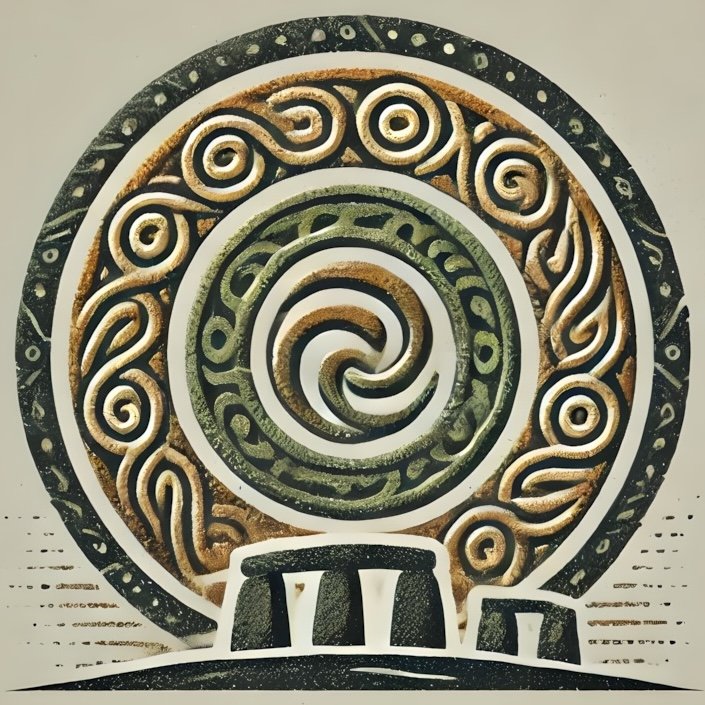
Contemporary interpretations suggest that these symbols may represent the cycles of nature, the passage of time, and the relationship between the living and the dead. For instance, the spirals and concentric circles commonly found in megalithic art are believed to symbolize the cyclical nature of life, death, and rebirth. This understanding aligns with modern theories that emphasize the importance of ritual and the sacred landscape in prehistoric societies.
The Role of the Landscape
Megalithic art cannot be divorced from the landscapes in which it is situated. Modern archaeologists are increasingly recognizing the significance of topography, natural features, and celestial alignments in understanding these monuments. The placement of megalithic structures often reflects a deep connection to the surrounding environment, suggesting that ancient peoples were attuned to the rhythms of nature.
For example, many megalithic sites in Ireland are aligned with solar and lunar events, indicating that these structures served not only as tombs or markers but also as observatories for celestial phenomena. This perspective encourages a reconsideration of the relationship between art and landscape, suggesting that megalithic art was a means of engaging with and interpreting the world around them.
Community and Identity
Another contemporary perspective on megalithic art focuses on the social dynamics of the communities that created these monuments. Rather than viewing megalithic structures as the products of isolated individuals or elite classes, modern archaeologists emphasize the collective effort and shared beliefs that underpinned their construction.
This shift in focus highlights the role of megalithic art in fostering community identity and cohesion. The creation of these monumental structures likely involved collaboration among various groups, reinforcing social bonds and shared cultural narratives. In this light, megalithic art becomes a medium through which communities expressed their identities, values, and beliefs, transcending time and connecting generations.
The Influence of Mythology
Megalithic art is deeply intertwined with the myths and legends of the cultures that produced it. In contemporary interpretations, archaeologists explore how these ancient stories shaped the creation and significance of megalithic structures. The rich tapestry of Irish mythology, with its tales of gods, heroes, and supernatural beings, offers a compelling context for understanding the purpose of megalithic art.
For instance, the association of certain megalithic sites with specific deities or mythological events suggests that these structures were not only physical markers but also symbolic representations of the narratives that defined the cultural landscape. This interplay between art and mythology invites us to consider how ancient peoples used megalithic structures to anchor their stories in the physical world, creating a sense of place and belonging.
Modern Technology and New Discoveries
Advancements in technology have revolutionized the study of megalithic art, providing new tools for analysis and interpretation. Techniques such as 3D scanning, aerial photography, and geophysical surveys are uncovering previously hidden details and patterns in megalithic structures. These technologies allow archaeologists to visualize and analyze the spatial relationships between monuments, landscapes, and celestial alignments with unprecedented precision.
Moreover, digital reconstructions of megalithic sites enable contemporary audiences to engage with these ancient artworks in innovative ways. Virtual reality experiences and interactive displays at museums allow visitors to immerse themselves in the world of megalithic art, fostering a deeper appreciation for its complexity and significance.
The Relevance of Megalithic Art Today
In an increasingly globalized world, the relevance of megalithic art extends beyond academic circles. Contemporary artists, writers, and musicians draw inspiration from these ancient creations, exploring themes of identity, connection to the land, and the interplay between past and present. This resurgence of interest in megalithic art reflects a broader cultural movement that seeks to reconnect with heritage and explore the legacies of our ancestors.
Furthermore, the preservation and interpretation of megalithic sites have become vital components of cultural heritage management. As modern societies grapple with issues of identity, belonging, and environmental sustainability, the lessons embedded in megalithic art offer valuable insights into the relationship between people and their landscapes.
By engaging with these ancient artworks, contemporary audiences are invited to reflect on their own connections to the land, the stories that shape their identities, and the ways in which art continues to resonate across time and space.
Conclusion
The study of megalithic art has evolved significantly, embracing a multifaceted approach that encompasses symbolism, landscape, community, mythology, and modern technology. As we navigate the complexities of these ancient creations, we uncover not only the stories of the past but also the enduring relevance of megalithic art in contemporary society. Through this lens, we can appreciate the rich tapestry of human experience that megalithic art represents, inviting us to reflect on our own place within this ongoing narrative.