Introduction to La Tène Art
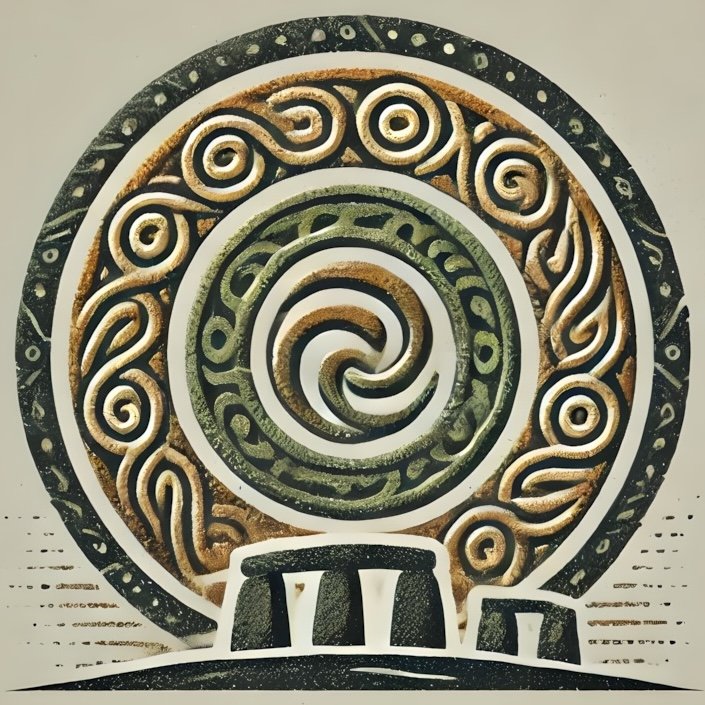
La Tène art, a distinctive style that emerged in Europe during the late Iron Age, is renowned for its intricate designs and symbolic motifs. Originating around the 5th century BCE, this art form is named after the archaeological site of La Tène on Lake Neuchâtel in Switzerland. It spread across Europe, influencing regions as far-flung as Ireland, where it left an indelible mark on the island’s cultural and artistic landscape. La Tène art is characterized by its swirling patterns, stylized animal forms, and complex geometric designs, all of which reflect the spiritual and mythological beliefs of the Celtic peoples who created it.
Deities in La Tène Art
The Celts, like many ancient cultures, expressed their religious beliefs through art. La Tène art is replete with depictions of deities, each embodying various aspects of life and nature. These deities were often represented in abstract forms, their identities discernible through symbolic attributes rather than realistic portrayals. For instance, the horned god Cernunnos, associated with fertility and the natural world, is frequently depicted with antlers, a motif that appears in various La Tène artifacts.
In Ireland, the influence of La Tène art is evident in the depiction of gods and goddesses in stone carvings and metalwork. The Morrígan, a goddess associated with war and fate, might be represented through motifs of ravens or crows, creatures linked to her mythology. Similarly, Lugh, a god of light and skill, could be symbolized by the sun or a spear, reflecting his attributes as a warrior and craftsman.
Heroes in La Tène Art
Just as deities were central to Celtic mythology, so too were heroes, whose exploits were celebrated in both oral tradition and artistic representation. La Tène art often features motifs that allude to heroic tales, with weapons, chariots, and scenes of battle serving as common themes. These elements not only highlight the martial prowess of these legendary figures but also underscore the cultural importance of heroism and valor.
In Irish mythology, heroes such as Cú Chulainn and Fionn mac Cumhaill are prominent figures whose stories resonate with the themes found in La Tène art. The swirling patterns and dynamic forms of the art style capture the energy and movement of these epic narratives, while the presence of weapons and armor in the artwork emphasizes the martial aspect of these heroes’ lives.
Symbolism and Motifs
The symbolism in La Tène art is rich and varied, with motifs that often carry deep spiritual and cultural significance. Spirals, for instance, are a recurring motif, symbolizing concepts such as eternity, the cycle of life, and the interconnectedness of all things. These designs are not merely decorative; they serve as visual representations of the Celts’ worldview and their understanding of the cosmos.
Animal motifs are also prevalent in La Tène art, with creatures such as boars, birds, and serpents appearing frequently. Each animal held specific symbolic meanings: the boar represented strength and courage, the bird was often associated with the divine or the otherworldly, and the serpent symbolized rebirth and transformation. These motifs were not only artistic expressions but also conveyed the spiritual beliefs and values of the Celtic people.
The Connection to Irish Mythology
The connection between La Tène art and Irish mythology is profound, with the art style providing a visual language through which mythological themes and stories were expressed. The intricate designs and symbolic motifs of La Tène art can be seen as a reflection of the rich tapestry of Irish myths, where gods, heroes, and supernatural beings play central roles.
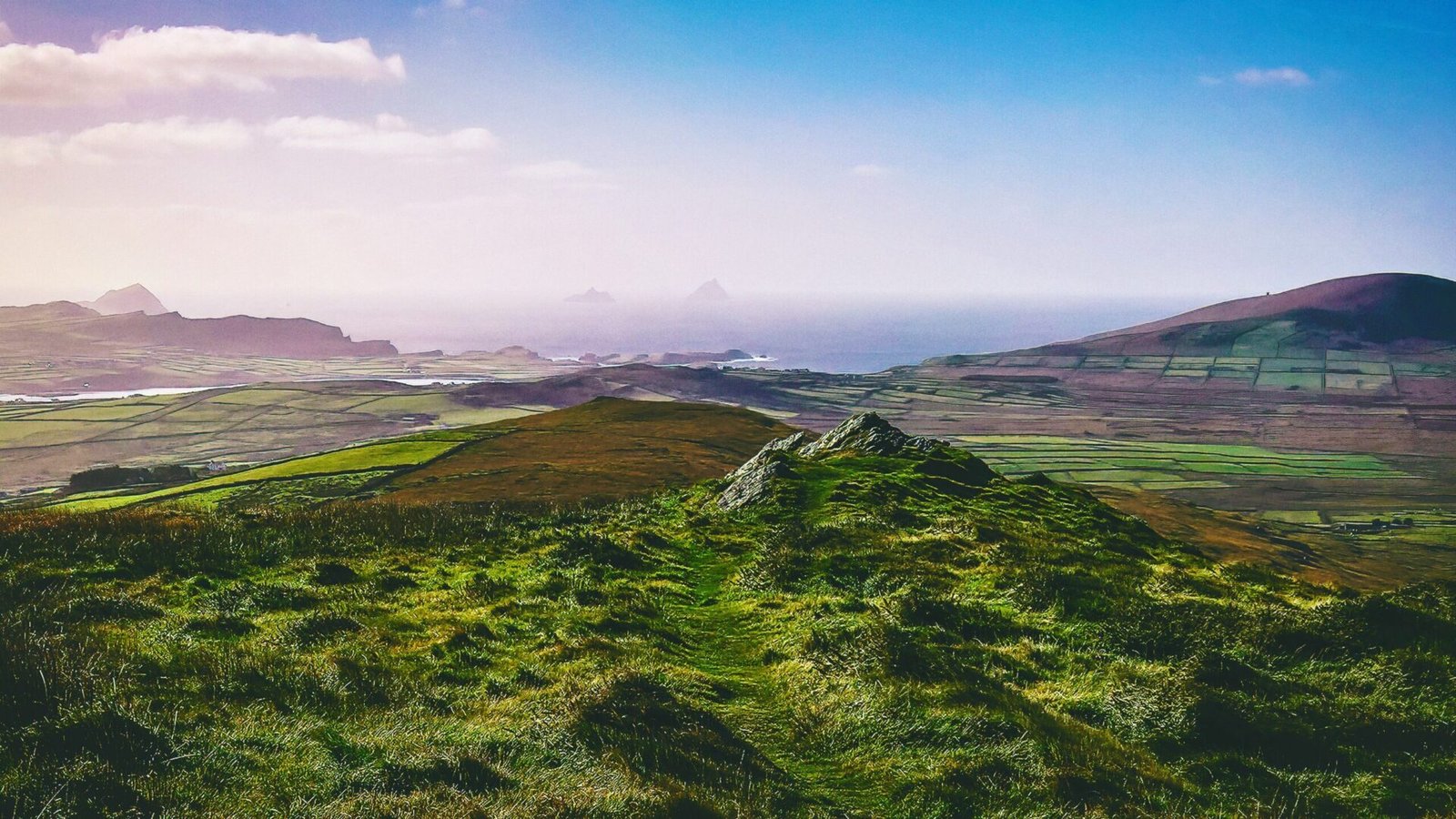
In Irish mythology, the landscape itself is imbued with mythological significance, with hills, rivers, and other natural features often linked to specific deities or legendary events. La Tène art, with its emphasis on natural forms and its integration with the landscape, mirrors this connection between the physical world and the mythological realm. The art style serves as a bridge between the tangible and the intangible, allowing the myths to be both seen and experienced.
The Influence of La Tène Art on Irish Culture
The influence of La Tène art on Irish culture extends beyond its visual impact. It played a role in shaping the island’s identity, contributing to the development of a distinct Celtic aesthetic that persisted long after the decline of the La Tène culture in mainland Europe. This artistic legacy can be seen in the later Insular art of the early medieval period, which continued to draw on La Tène motifs and techniques.
Moreover, the themes and symbols of La Tène art have continued to resonate in Irish cultural expressions, from literature to modern art. The enduring appeal of these motifs speaks to their deep-rooted significance and their ability to convey complex ideas and emotions across time.
Conclusion
La Tène art, with its intricate designs and rich symbolism, offers a window into the spiritual and cultural world of the ancient Celts. In Ireland, this art style not only influenced the visual landscape but also intertwined with the island’s mythology, creating a unique cultural synthesis that continues to captivate and inspire. Through the depictions of deities and heroes, La Tène art provides a glimpse into the beliefs and values of a people whose legacy still echoes in the myths and landscapes of Ireland today.