Emain Macha: The Heart of Ancient Ulster
Nestled in the rolling landscapes of County Armagh, Northern Ireland, lies a site of profound historical and mythological significance: Emain Macha. Known today as Navan Fort, this ancient ceremonial complex serves as a testament to the rich tapestry of Irish prehistory, where myth and reality intertwine seamlessly. Emain Macha is not merely a geographical location; it is a symbol of cultural identity and a focal point for understanding the ancient world of the Celts.
Description of Its Location in County Armagh
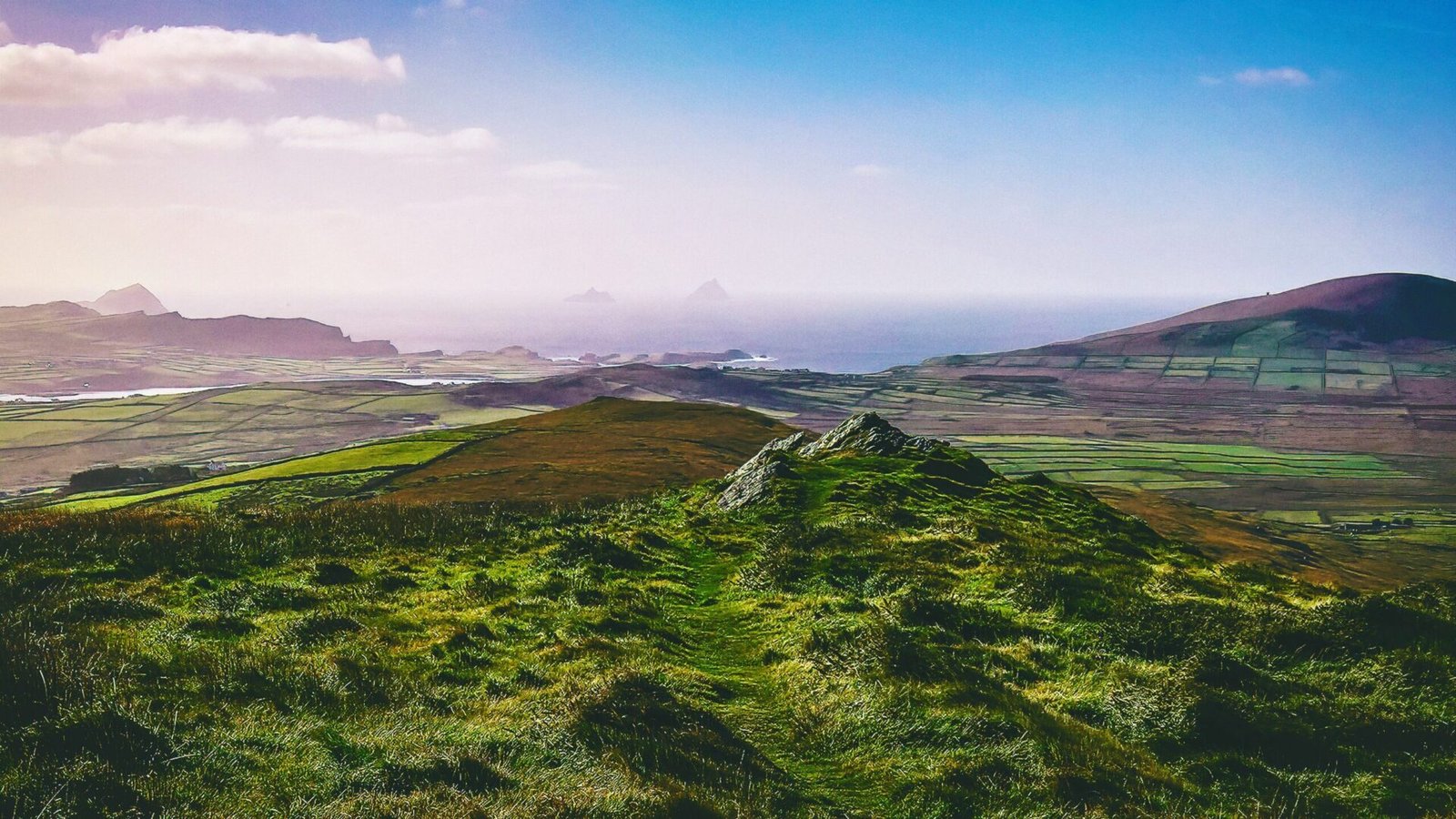
Emain Macha is situated approximately two miles west of the modern city of Armagh, a region often referred to as the “Orchard County” due to its lush apple orchards and fertile lands. The site itself is perched on a hill, offering sweeping views of the surrounding countryside. This elevated position not only provided strategic advantages in ancient times but also imbued the site with a sense of majesty and reverence.
The landscape around Emain Macha is characterized by gentle hills and verdant fields, interspersed with patches of woodland. The River Callan meanders nearby, adding to the natural beauty and strategic importance of the location. The site’s proximity to Armagh, a city with its own rich ecclesiastical history, further underscores its significance as a center of power and spirituality.
Archaeological Significance
Archaeological excavations at Emain Macha have revealed a complex and multi-layered history. The site consists of a large circular enclosure, approximately 250 meters in diameter, surrounded by an earthen bank and ditch. Within this enclosure, evidence of various structures has been uncovered, including a massive timber-framed building dating back to around 95 BC. This structure, often referred to as a “temple,” suggests that Emain Macha was a place of ritual and ceremony, possibly serving as a royal seat or a center for religious gatherings.
The archaeological findings at Emain Macha provide invaluable insights into the social and political dynamics of Iron Age Ireland. The construction techniques and materials used indicate a high level of sophistication and organization, reflecting the power and influence of those who inhabited the site.
Mythological Connections
Emain Macha is steeped in Irish mythology, particularly in the Ulster Cycle, one of the four great cycles of Irish mythology. According to legend, the site was named after Macha, a goddess associated with sovereignty, war, and fertility. One of the most famous tales involves Macha, who, despite being heavily pregnant, was forced to race against the king’s horses. She won the race but collapsed in childbirth, cursing the men of Ulster to suffer the pains of labor in their times of greatest need.
This mythological narrative highlights the intertwining of the physical landscape with the spiritual and cultural beliefs of ancient Ireland. Emain Macha was not just a physical location; it was a place where the divine and the mortal worlds intersected, where the stories of gods and heroes played out against the backdrop of the natural world.
Cultural and Historical Impact
The significance of Emain Macha extends beyond its archaeological and mythological aspects. As a center of power for the ancient kingdom of Ulster, it played a crucial role in the political and cultural landscape of prehistoric Ireland. The tales of the Ulster Cycle, with their themes of heroism, loyalty, and betrayal, reflect the values and beliefs of the society that once thrived here.
Emain Macha’s influence can also be seen in the broader context of Celtic culture. The site is part of a network of similar ceremonial centers across Ireland and Britain, indicating a shared cultural heritage and a common set of religious and social practices. This interconnectedness underscores the importance of Emain Macha as a hub of cultural exchange and influence.
The Modern Legacy
Today, Emain Macha continues to captivate the imagination of visitors and scholars alike. The site is a popular destination for tourists seeking to connect with Ireland’s ancient past, and it serves as a focal point for archaeological research and education. Efforts to preserve and interpret the site ensure that its stories and significance are passed on to future generations.
The legacy of Emain Macha is also reflected in the cultural and artistic expressions of modern Ireland. From literature and music to visual arts and theater, the myths and history of Emain Macha continue to inspire and resonate with contemporary audiences. This enduring legacy is a testament to the power of place and the enduring connection between landscape, history, and identity.
Emain Macha in the Context of Irish Prehistory
Understanding Emain Macha within the broader context of Irish prehistory provides a deeper appreciation of its significance. The site represents a period of transition and transformation, as Ireland moved from the Bronze Age into the Iron Age. This era was marked by significant changes in technology, society, and culture, as evidenced by the construction and use of sites like Emain Macha.
The development of complex social structures, the emergence of powerful chieftains, and the establishment of trade networks are all reflected in the archaeological record at Emain Macha. These changes laid the groundwork for the rich tapestry of myths and legends that would come to define Irish cultural identity.
Conclusion
Emain Macha stands as a testament to the enduring legacy of Ireland’s ancient past. Its geographical location, archaeological significance, and mythological connections make it a unique and invaluable site for understanding the complex interplay between landscape, history, and culture. As we continue to explore and interpret this remarkable site, we gain not only a deeper understanding of our ancestors but also a greater appreciation for the stories and traditions that continue to shape our world today.