Rathcroghan: A Portal to Ireland’s Mythic Past
Nestled in the heart of County Roscommon, Rathcroghan stands as a testament to Ireland’s rich tapestry of history and mythology. This ancient site, known in Irish as Ráth Cruachan, is a sprawling complex of archaeological significance, offering a window into the lives and beliefs of Ireland’s early inhabitants. As one of the royal sites of Ireland, Rathcroghan is steeped in legend, serving as a focal point for tales of heroism, sovereignty, and the supernatural.
Description of Its Location in County Roscommon
Rathcroghan is located in the west of Ireland, in County Roscommon, a region known for its lush landscapes and historical depth. The site itself is situated near the village of Tulsk, approximately 30 kilometers northwest of the county town, Roscommon. This area is part of the fertile plains of Connacht, a province that has long been associated with the ancient kingdom of Connacht, ruled by the legendary Queen Medb. The geographical positioning of Rathcroghan is significant, as it lies at the crossroads of ancient routes, making it a central hub for trade, communication, and cultural exchange in prehistoric Ireland.
Overview of the Surrounding Landscape
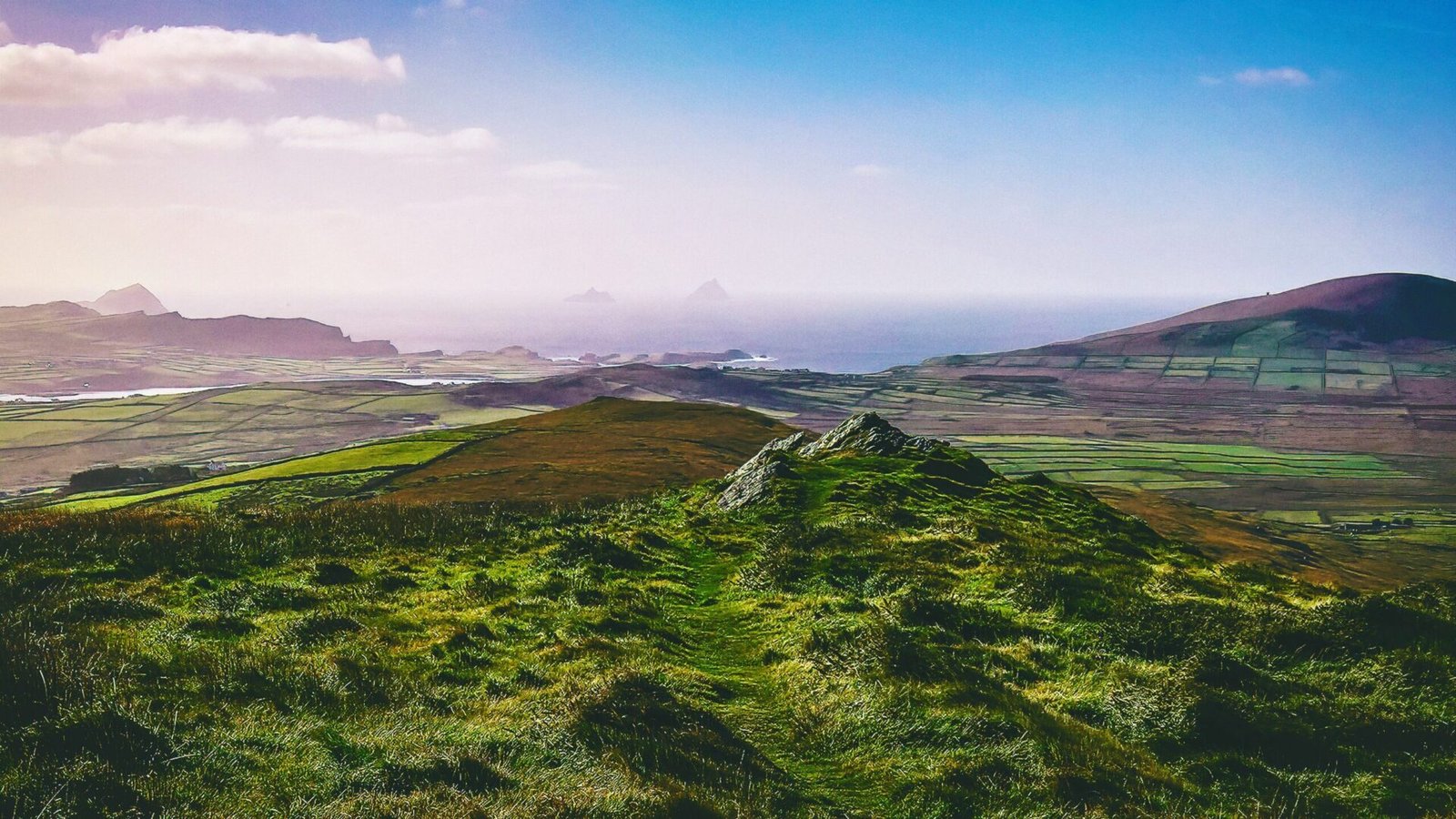
The landscape surrounding Rathcroghan is quintessentially Irish, characterized by rolling green fields, limestone plains, and scattered woodlands. This pastoral setting is punctuated by numerous archaeological features, including burial mounds, ringforts, and standing stones, each whispering stories of the past. The most prominent feature of the site is the Rathcroghan Mound, a large, circular earthwork that dominates the landscape. This mound is believed to be the ceremonial center of the complex, where kings were inaugurated and rituals performed.
The region’s karst topography, with its underground rivers and caves, adds an element of mystery to the landscape. The nearby Oweynagat cave, often referred to as the “Cave of the Cats,” is particularly significant in Irish mythology. It is considered a portal to the Otherworld, a realm inhabited by gods and mythical creatures. This cave is associated with the Samhain festival, marking the end of the harvest season and the beginning of winter, a time when the veil between worlds is believed to be at its thinnest.
Mythological Significance
Rathcroghan is not merely a physical location; it is a place where the boundaries between the natural and supernatural blur. It is the legendary home of Queen Medb, a formidable figure in Irish mythology, known for her role in the epic tale of the Táin Bó Cúailnge (The Cattle Raid of Cooley). This epic saga, one of the most important in Irish literature, recounts the story of Medb’s quest to steal the prized brown bull of Cooley, leading to a great war between the provinces of Connacht and Ulster.
The site is also associated with the Morrígan, a complex goddess of war and fate, who is said to have emerged from the Oweynagat cave. The Morrígan’s presence at Rathcroghan underscores the site’s role as a liminal space, where the forces of life and death, fate and free will, intersect.
Archaeological Discoveries
Archaeological excavations at Rathcroghan have revealed a wealth of artifacts and structures, shedding light on the lives of its ancient inhabitants. The site encompasses over 240 identified archaeological sites, including burial mounds, ringforts, and linear earthworks. These findings suggest that Rathcroghan was a major center of power and ritual activity from the Neolithic period through to the early medieval era.
One of the most intriguing discoveries is the presence of ogham stones, inscribed with the earliest form of writing in Ireland. These stones provide valuable insights into the language, culture, and social structure of early Irish society. Additionally, the discovery of Roman artifacts at Rathcroghan suggests that the site was part of a broader network of trade and cultural exchange, connecting Ireland to the wider ancient world.
Cultural and Historical Context
Rathcroghan’s significance extends beyond its archaeological and mythological dimensions. It is a symbol of Ireland’s cultural heritage, reflecting the complex interplay between history, mythology, and the landscape. The site’s enduring presence in Irish folklore and literature speaks to its role as a cultural touchstone, a place where the stories of the past continue to resonate in the present.
The historical context of Rathcroghan is deeply intertwined with the concept of kingship and sovereignty in ancient Ireland. As a royal site, it was a place where kings were inaugurated, and the land was symbolically married to its ruler. This ritual act underscored the sacred bond between the king and the land, a theme that is echoed in many Irish myths and legends.
Modern-Day Significance
Today, Rathcroghan is a place of pilgrimage for those seeking to connect with Ireland’s ancient past. It is a site of educational and cultural importance, attracting archaeologists, historians, and tourists alike. The Rathcroghan Visitor Centre in Tulsk offers guided tours and exhibitions, providing visitors with an opportunity to explore the site’s rich history and mythology.
Efforts to preserve and promote Rathcroghan are ongoing, with initiatives aimed at safeguarding its archaeological integrity while enhancing public access and understanding. The site’s inclusion in the UNESCO World Heritage Tentative List underscores its global significance and the need for its protection.
In conclusion, Rathcroghan is more than just an archaeological site; it is a living testament to Ireland’s enduring legacy of myth and history. Its landscapes and legends continue to inspire and captivate, inviting us to explore the depths of our shared human heritage. As we walk the ancient paths of Rathcroghan, we are reminded of the timeless connection between the land, its people, and the stories that define them.