Uisneach: The Heart of Ireland
Nestled in the verdant heart of County Westmeath, the Hill of Uisneach stands as a sentinel of Ireland’s ancient past, a place where myth and history intertwine. This storied hill, often referred to as the “navel of Ireland,” is not merely a geographical location but a symbol of the island’s rich cultural tapestry. Its significance stretches far beyond its physical presence, reaching into the realms of mythology, politics, and spirituality.
Description of Its Location in County Westmeath
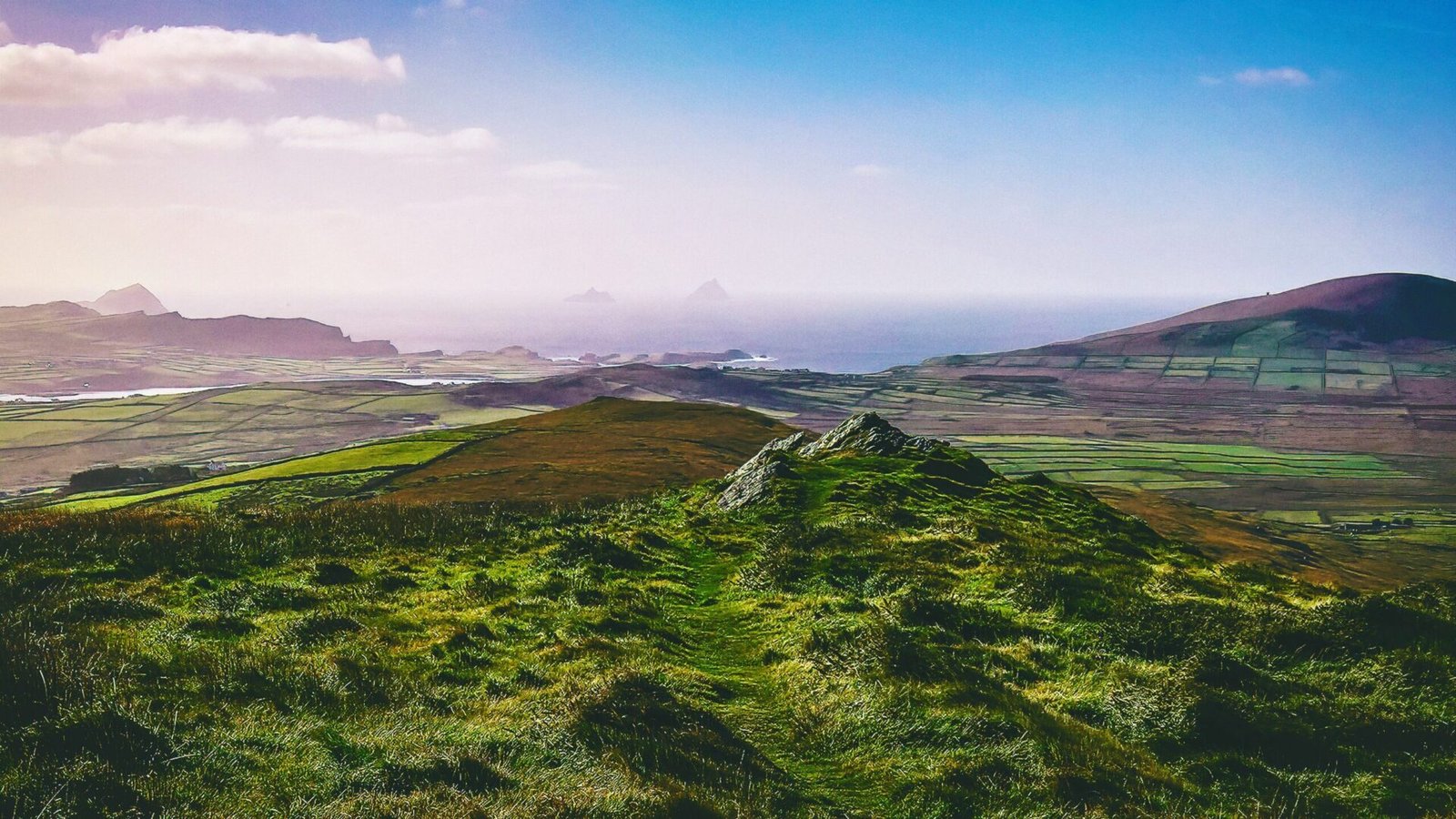
Uisneach is situated in the central plains of Ireland, approximately 8 kilometers southwest of Mullingar, the county town of Westmeath. The hill itself rises modestly from the surrounding landscape, its summit offering panoramic views of the lush, rolling countryside. This central location is not just a geographical coincidence but a key element of its historical and mythical importance. The hill’s position in the heart of Ireland made it a natural meeting point for ancient peoples, a place where paths converged and stories were shared.
The landscape around Uisneach is quintessentially Irish, with its patchwork of green fields, hedgerows, and small lakes. The hill is part of a larger complex that includes several ancient monuments and earthworks, each adding layers to the site’s historical narrative. The area is accessible via a network of rural roads, and while it may seem remote to the modern traveler, it was once a bustling hub of activity.
Importance of the Hill in the Irish Landscape
Uisneach’s significance in the Irish landscape is multifaceted, encompassing mythology, politics, and spirituality. In ancient times, it was considered the ceremonial and spiritual center of Ireland, a place where the boundaries between the physical and the mystical blurred. The hill is often associated with the festival of Bealtaine, a celebration marking the beginning of summer. This festival, still observed today, involves the lighting of fires on Uisneach, a tradition that harks back to the ancient Druids who once gathered here.
The hill is also linked to the mythological figure of Lugh, a god of light and the arts, who is said to have held court at Uisneach. According to legend, it was here that Lugh met his end, and his burial site is marked by the Catstone, a massive limestone boulder that is one of Uisneach’s most distinctive features. This stone, known in Irish as Ail na Míreann, or the “Stone of Divisions,” is said to mark the point where the five ancient provinces of Ireland met, further cementing Uisneach’s status as a central point in the island’s geography and mythology.
Uisneach in Myth and Legend
The myths surrounding Uisneach are as rich and varied as the landscape itself. It is said to be the burial place of the goddess Ériu, from whom Ireland takes its name. Ériu, along with her sisters Banba and Fódla, is one of the trio of goddesses who personify the island. Her association with Uisneach underscores the hill’s role as a symbol of Irish identity and sovereignty.
Another legend tells of the Tuatha Dé Danann, a mythical race of gods and heroes who are said to have made Uisneach their home. These tales speak of a time when the hill was a place of great power and magic, where the forces of nature and the divine were inextricably linked. The stories of Uisneach are woven into the fabric of Irish folklore, serving as a reminder of the island’s ancient past and its enduring connection to the land.
The Political and Cultural Significance of Uisneach
Beyond its mythological associations, Uisneach has played a significant role in the political and cultural history of Ireland. In ancient times, it was a place of assembly, where chieftains and kings would gather to discuss matters of governance and law. The hill’s central location made it an ideal meeting point for the leaders of the various tribes and kingdoms that once dotted the Irish landscape.
The hill’s political significance continued into the medieval period, when it became a site of royal inauguration and ceremony. The kings of Meath, one of the ancient provinces of Ireland, were said to have been crowned at Uisneach, further cementing its status as a place of power and authority.
In more recent times, Uisneach has become a symbol of Irish cultural revival. The hill has been the site of numerous gatherings and festivals celebrating Irish heritage, music, and art. These events serve to reconnect modern Ireland with its ancient roots, drawing people from all over the world to experience the magic of Uisneach.
The Spiritual Legacy of Uisneach
The spiritual legacy of Uisneach is perhaps its most enduring aspect. For centuries, the hill has been a place of pilgrimage, where people come to seek inspiration, healing, and connection with the divine. The energy of the place is palpable, a testament to the countless generations who have walked its slopes and left their mark on the land.
Today, Uisneach continues to be a place of spiritual significance, attracting visitors who are drawn to its ancient mysteries and timeless beauty. The hill’s sacred status is recognized by the Irish government, which has designated it as a national monument, ensuring its preservation for future generations.
In conclusion, Uisneach is more than just a hill; it is a living testament to Ireland’s rich history and cultural heritage. Its central location, mythological associations, and enduring spiritual significance make it a unique and vital part of the Irish landscape. As we explore the stories and legends of Uisneach, we are reminded of the deep connections between the land, its people, and the timeless myths that continue to shape our understanding of the world.