IV. Cultural Exchange and Influence
B. Religious Influences
The landscape of Irish prehistory is a tapestry woven with threads of myth, culture, and spiritual evolution. As we delve into the religious influences that have shaped Ireland, we uncover a fascinating interplay between indigenous beliefs and external forces, particularly the introduction of Christianity and the syncretism between Roman and Celtic traditions. These interactions have left an indelible mark on the Irish cultural and spiritual landscape, influencing myths, practices, and the very fabric of society.
Introduction of Christianity and its Early Development
The arrival of Christianity in Ireland marked a profound turning point in the island’s spiritual history. Traditionally attributed to the missionary efforts of St. Patrick in the 5th century, Christianity began to take root in a land rich with ancient Celtic beliefs. The transition from a polytheistic society to one embracing the monotheistic teachings of Christianity was neither abrupt nor absolute. Instead, it was a gradual process characterized by adaptation and integration.
Christianity’s appeal lay in its promise of eternal life and the moral framework it provided, which resonated with the existing spiritual sensibilities of the Irish people. The early Christian missionaries, aware of the deep-seated traditions they encountered, often adopted a pragmatic approach. They sought not to eradicate the old ways but to incorporate them into the new faith. This strategy facilitated the acceptance of Christianity, as it allowed for the continuity of familiar customs under a new religious umbrella.
Monasteries became the epicenters of this new spiritual order, serving as centers of learning, art, and worship. These institutions played a crucial role in the preservation of knowledge, including the transcription of ancient texts and myths, which might have otherwise been lost. The monastic tradition also fostered a unique form of Christianity, distinct from its Roman counterpart, characterized by its emphasis on asceticism and scholarship.
Syncretism between Roman and Celtic Beliefs
The syncretism between Roman and Celtic beliefs is a testament to the fluidity and adaptability of spiritual traditions. Before the widespread adoption of Christianity, the Celts had their own rich pantheon of gods and goddesses, deeply intertwined with the natural world. The Romans, during their occupation of Britain, brought with them their own religious customs, which began to intermingle with those of the Celts.
This cultural exchange resulted in a fascinating blend of religious practices. Roman deities were often equated with Celtic gods, leading to a fusion of iconography and mythology. For instance, the Roman god Mercury was associated with the Celtic god Lugh, both representing commerce and communication. Similarly, the goddess Brigid, a central figure in Celtic spirituality, was seamlessly integrated into Christian tradition as St. Brigid, maintaining her association with healing, poetry, and smithcraft.
The integration of these beliefs was not merely a superficial amalgamation but a profound synthesis that enriched the spiritual landscape. This syncretism is evident in archaeological findings, such as inscriptions and artifacts, which depict a harmonious coexistence of Roman and Celtic symbols. The process of syncretism also facilitated the spread of Christianity, as it allowed for a smoother transition by retaining elements of the familiar within the new religious framework.
The Role of Mythology in Religious Transition
Mythology played a pivotal role in the religious transition of Ireland. The myths and legends of the Celts, rich with symbolism and allegory, provided a fertile ground for the introduction of Christian themes. The epic tales of heroes, gods, and otherworldly realms were not discarded but reinterpreted through a Christian lens. This reinterpretation allowed for the preservation of cultural identity while embracing the transformative power of the new faith.
One of the most compelling examples of this is the adaptation of the Celtic festival of Samhain into the Christian observance of All Hallows’ Eve, or Halloween. Originally a celebration marking the end of the harvest season and the onset of winter, Samhain was a time when the veil between the worlds of the living and the dead was believed to be thinnest. The Christianization of this festival retained its mystical essence while infusing it with new religious significance.
The Influence of the Natural Landscape
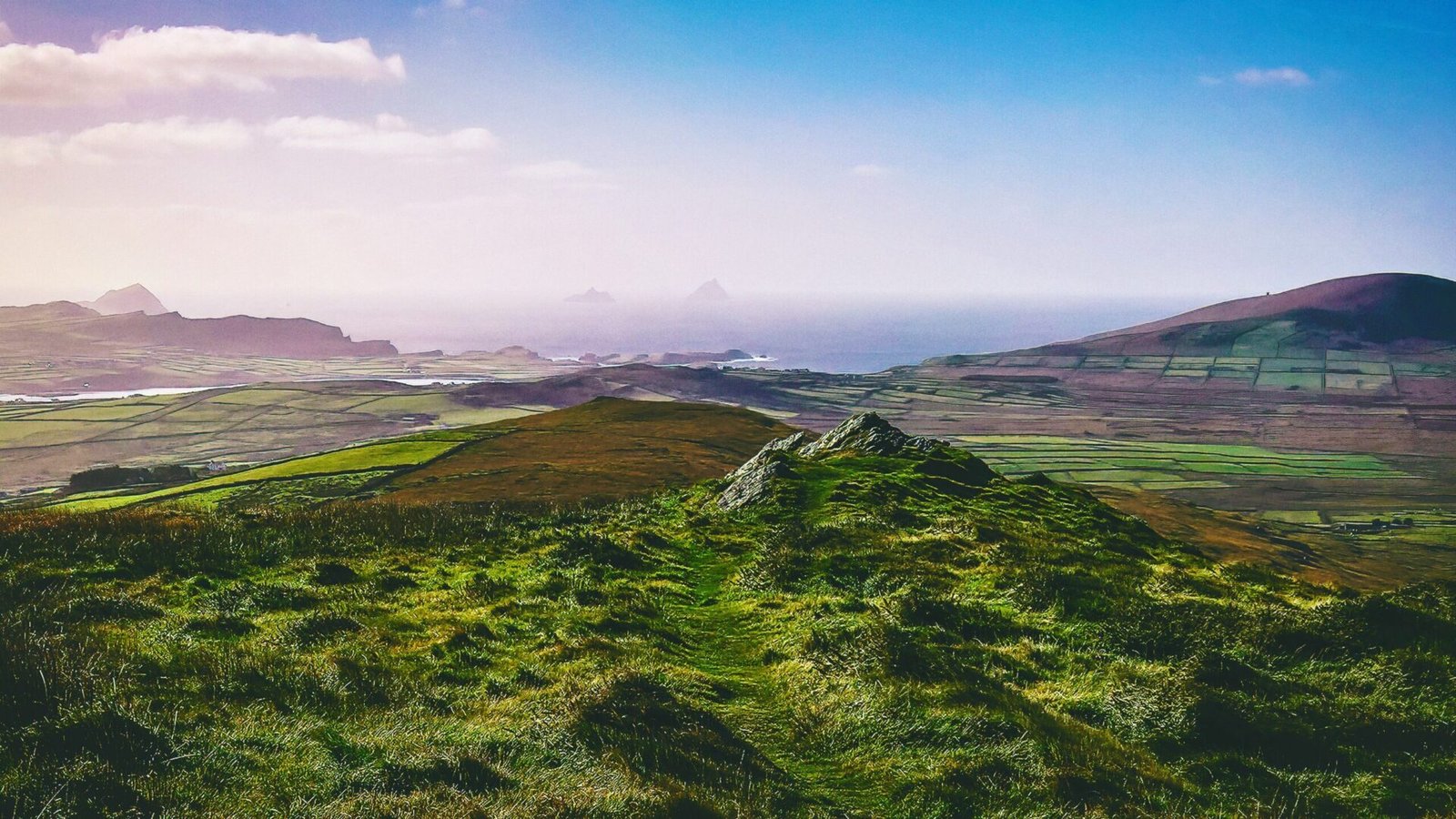
The natural landscape of Ireland, with its rolling hills, ancient forests, and rugged coastlines, has always been a source of spiritual inspiration. The Celts viewed the land as a living entity, imbued with divine presence. Sacred sites, such as hilltops, springs, and groves, were revered as places of power and connection to the gods.
With the advent of Christianity, these sacred landscapes were often repurposed as sites for churches and monasteries, maintaining their spiritual significance. The enduring reverence for the land is reflected in the Christian tradition of pilgrimages to holy sites, a practice that continues to this day. The intertwining of the natural and spiritual worlds remains a defining characteristic of Irish religious identity.
The Legacy of Religious Influences in Irish Culture
The religious influences that have shaped Ireland are not confined to the past; they continue to resonate in contemporary Irish culture. The integration of Christianity into the existing Celtic framework has given rise to a unique spiritual tradition that celebrates both the sacred and the secular. This duality is evident in the vibrant expressions of Irish art, music, and literature, which often draw upon themes of myth and spirituality.
The legacy of religious syncretism is also reflected in the enduring popularity of figures like St. Patrick and St. Brigid, who embody the harmonious blend of Christian and Celtic elements. Their stories and symbols serve as reminders of the rich tapestry of beliefs that have shaped Ireland’s spiritual heritage.
In exploring the religious influences on Irish prehistory, we uncover a narrative of cultural exchange and adaptation, where ancient traditions and new beliefs coexist and enrich one another. This dynamic interplay between the old and the new continues to shape the spiritual landscape of Ireland, offering insights into the enduring power of myth and the resilience of cultural identity.