V. Archaeological Evidence: B. Significant Discoveries
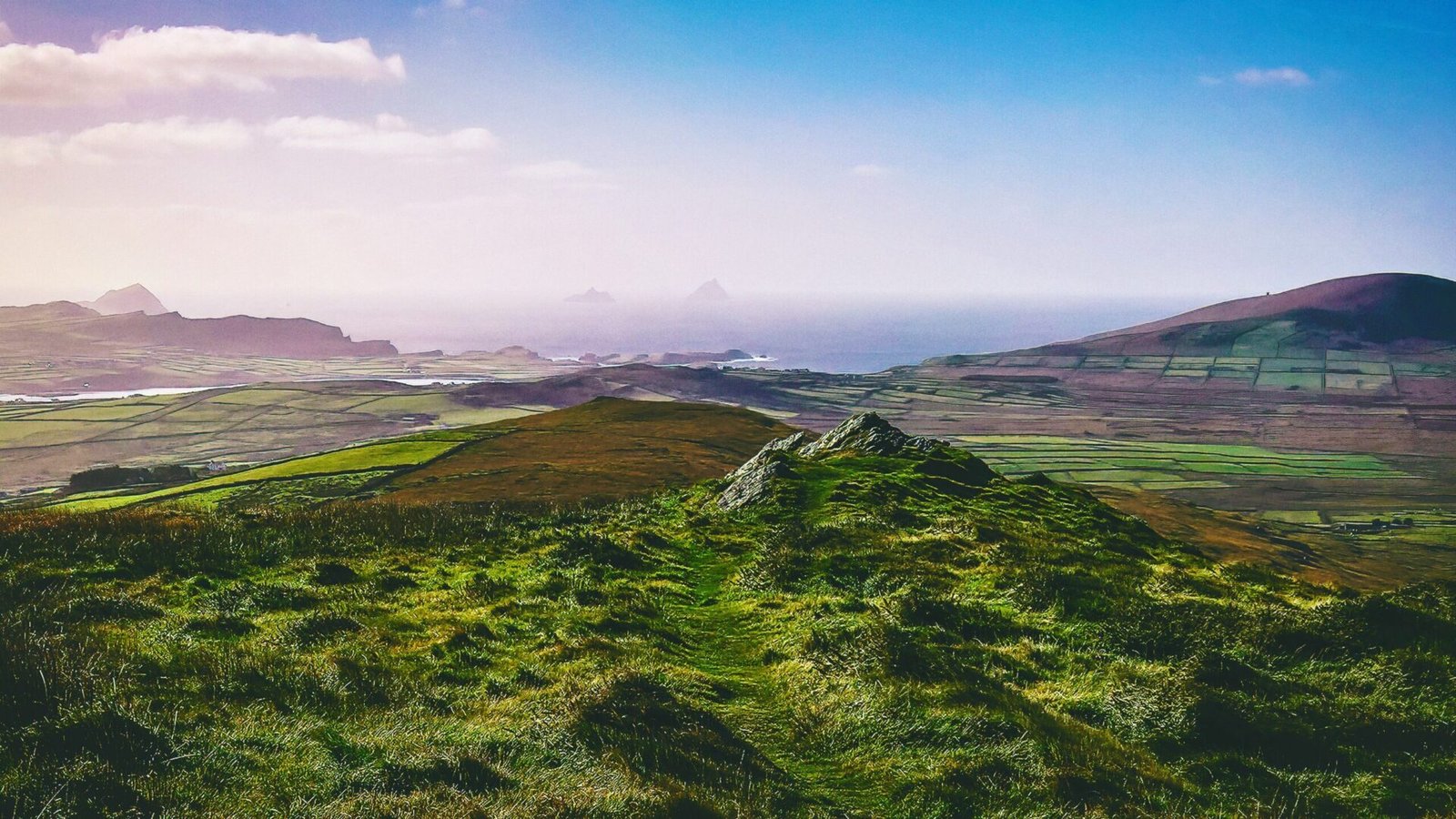
The lush, rolling landscapes of Ireland, with their verdant hills and ancient stone structures, have long been the subject of myth and legend. Yet, beneath its green surface lies a rich tapestry of archaeological evidence that not only illuminates Ireland’s prehistoric past but also intertwines with the myths that have shaped its cultural identity. This chapter delves into the significant discoveries that have been unearthed from Ireland’s soil, offering a glimpse into the lives, beliefs, and interactions of its ancient inhabitants.
Notable Archaeological Finds
Ireland’s archaeological record is replete with remarkable finds, each offering a piece of the puzzle that forms the island’s prehistoric narrative. Among the most striking discoveries are the exquisite gold artifacts, such as the lunulae and torcs, which date back to the Bronze Age. These intricate pieces of jewelry not only showcase the advanced metallurgical skills of the time but also hint at the social structures and status symbols prevalent in ancient Irish society.
Pottery shards, another common find, provide evidence of domestic life and the evolution of artistic expression. The transition from simple, utilitarian designs to more ornate and decorative styles reflects broader changes in society, including shifts in trade and cultural influences. The pottery discovered at sites like Lough Gur and Navan Fort reveals connections with neighboring regions, suggesting that even in prehistoric times, Ireland was far from isolated.
Coins, though less common in prehistoric contexts, have occasionally surfaced in archaeological digs. These coins, often Roman in origin, are particularly intriguing as they suggest interactions between Ireland and the broader Roman world. The presence of such artifacts raises questions about the nature of these interactions—were they the result of trade, gifts, or perhaps even raids?
Interpretation of Findings in the Context of Trade and Raiding
The interpretation of these archaeological finds offers valuable insights into the complex web of trade and raiding that characterized prehistoric Ireland. The discovery of foreign artifacts, such as Roman coins and Mediterranean pottery, points to a network of trade routes that connected Ireland to distant lands. These items suggest that Ireland, far from being a remote outpost, was an active participant in the exchange of goods, ideas, and technologies.
Trade in prehistoric Ireland was likely facilitated by the island’s strategic position along maritime routes. The exchange of goods, such as metals, textiles, and foodstuffs, would have been crucial for the development of early Irish societies. The presence of exotic materials, like amber from the Baltic or wine from the Mediterranean, indicates that Ireland’s trade networks extended far beyond its immediate neighbors.
However, not all interactions were peaceful. The archaeological record also points to a history of raiding and conflict. The construction of hillforts and other defensive structures suggests a need for protection against external threats. The recovery of weapons and evidence of violent encounters further supports the idea that raiding was a common aspect of life in prehistoric Ireland. These raids could have been motivated by the desire to acquire valuable resources, such as cattle, slaves, or metal goods.
The Role of Myth in Interpreting Archaeological Evidence
Irish myths and legends, passed down through generations, provide a rich context for interpreting archaeological findings. These stories, while often fantastical, are rooted in the landscapes and historical experiences of Ireland’s past. They offer a narrative framework that can help to explain the significance of certain sites and artifacts.
For example, the mythological tales of the Tuatha Dé Danann, a supernatural race said to have inhabited Ireland before the arrival of the Celts, resonate with archaeological evidence of advanced societies with sophisticated craftsmanship. Sites like Newgrange, with its impressive megalithic architecture, are often linked to these mythic narratives, blurring the lines between history and legend.
Similarly, the stories of Cú Chulainn and the Ulster Cycle, with their themes of heroism and conflict, reflect the martial aspects of prehistoric life revealed through archaeological finds. The discovery of weapons and fortifications lends credibility to these tales, suggesting that they may be rooted in the real experiences of ancient Irish warriors.
Landscape as a Living Record
The Irish landscape itself serves as a living record of its prehistoric past, with its hills, rivers, and valleys bearing witness to millennia of human activity. The placement of archaeological sites within this landscape is often significant, reflecting both practical considerations and spiritual beliefs.
Sacred sites, such as passage tombs and stone circles, are frequently situated in locations that align with celestial events, indicating a sophisticated understanding of astronomy. These sites may have served as places of worship or communal gathering, their construction guided by both practical needs and spiritual imperatives.
The landscape also plays a central role in Irish mythology, with many natural features associated with legendary events or figures. The Hill of Tara, for example, is not only an important archaeological site but also a focal point in Irish myth, believed to be the seat of the High Kings of Ireland. Such associations underscore the deep connection between the physical landscape and the cultural memory of Ireland’s past.
Technological Advances and Future Discoveries
As archaeological techniques continue to evolve, so too does our understanding of Ireland’s prehistoric past. Advances in technology, such as remote sensing and DNA analysis, are opening new avenues for exploration and interpretation. These tools allow archaeologists to uncover evidence that was previously inaccessible, offering fresh insights into the lives of ancient Irish communities.
Future discoveries are likely to shed further light on the complex interactions between Ireland and the wider world. As new sites are excavated and existing collections re-examined, the story of Ireland’s prehistoric past will continue to unfold, revealing the intricate tapestry of trade, conflict, and cultural exchange that shaped the island’s history.
In conclusion, the significant archaeological discoveries of Ireland provide a window into a distant past, where myth and reality intertwine. Through the careful study of artifacts, landscapes, and legends, we gain a deeper appreciation for the rich and complex history of this ancient land. As we continue to explore and interpret these findings, the story of Ireland’s prehistoric past becomes ever more vivid, connecting us to the lives and experiences of those who once walked its verdant fields.