The Emergence of New Political Entities in Ireland
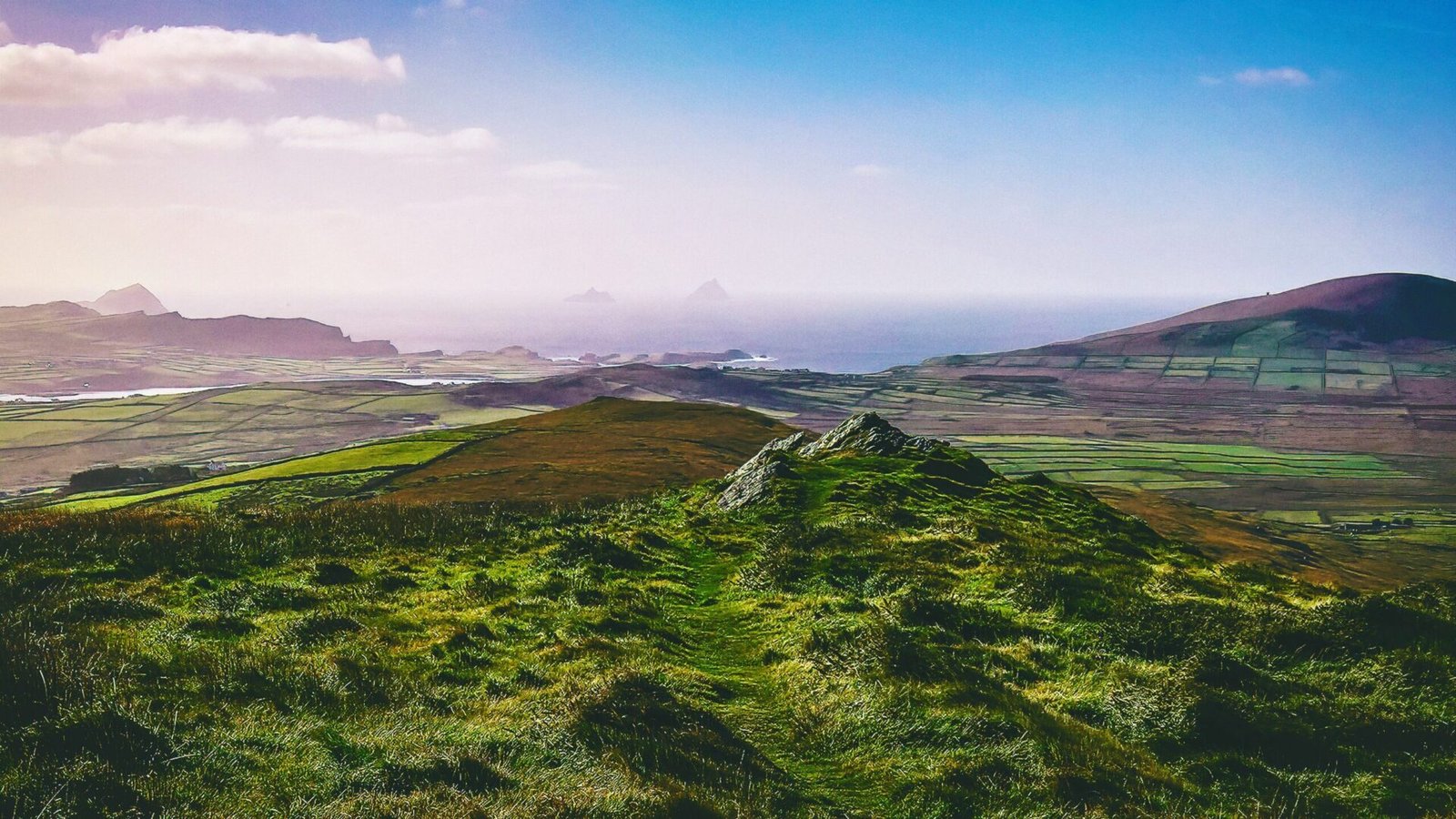
The landscape of Ireland, with its rolling hills, ancient stone circles, and mystical mists, has always been fertile ground for the imagination. It is a land where myths and history intertwine, creating a tapestry of stories that have shaped the Irish identity. This chapter explores the emergence of new political entities in Ireland, a phenomenon that has had a profound impact on Irish society. As we delve into this subject, we will examine the historical context, the role of mythology, and the influence of the landscape on these political developments.
Historical Context: From Tribal Societies to Kingdoms
Ireland’s political landscape has evolved significantly over the centuries. In prehistoric times, the island was divided into numerous tribal territories, each ruled by a chieftain. These tribes, known as tuatha, were the primary political entities, and their leaders held both secular and sacred authority. The tuatha were often in conflict with one another, vying for control over land and resources.
The arrival of the Celts around 500 BCE marked a significant shift in the political organization of Ireland. The Celts brought with them a hierarchical society, with a warrior aristocracy at the top. This period saw the rise of larger political entities, such as the provincial kingdoms of Ulster, Munster, Leinster, and Connacht. These kingdoms were often in competition, but they also formed alliances through marriage and diplomacy.
As Christianity spread across Ireland in the 5th century CE, it brought with it new forms of governance. Monasteries became centers of power, not only religiously but also politically and economically. The influence of the church helped to unify the disparate tribes and kingdoms, laying the groundwork for a more cohesive Irish identity.
Mythology and Political Legitimacy
In Ireland, mythology is not just a collection of old stories; it is a vital part of the cultural and political fabric. Myths have been used to legitimize political power and to connect rulers with the divine. The legendary High Kings of Tara, for example, were said to be descendants of the god Lugh, granting them divine right to rule.
The tales of Cú Chulainn, the hero of the Ulster Cycle, and Fionn mac Cumhaill, leader of the Fianna, have been invoked by political leaders throughout Irish history to inspire unity and resistance. These myths serve as a reminder of a shared past and a common identity, which has been crucial in the formation of new political entities.
In modern times, the use of mythology in politics is still evident. The Easter Rising of 1916, a pivotal moment in the struggle for Irish independence, drew heavily on mythological symbolism. The Proclamation of the Irish Republic was signed at the General Post Office in Dublin, a site that has since become a symbol of Irish nationalism. The leaders of the Rising, such as Patrick Pearse, were deeply influenced by Irish mythology and sought to connect their cause with the heroic tales of old.
The Influence of the Landscape
The Irish landscape has played a significant role in shaping political entities. The natural boundaries created by mountains, rivers, and bogs have historically defined territories and influenced the location of settlements and fortifications. The Hill of Tara, for example, was not only a political and spiritual center but also a strategic location that offered a commanding view of the surrounding countryside.
The landscape has also inspired a sense of place and belonging, which is reflected in the local governance structures. The division of Ireland into counties and provinces is deeply rooted in the geography of the land. Each region has its own unique identity, shaped by its landscape and history, which has influenced political developments.
In recent years, the landscape has become a focal point for environmental politics. The preservation of Ireland’s natural beauty is a priority for many political entities, and issues such as land use, renewable energy, and conservation are hotly debated topics. The landscape continues to be a source of inspiration and a battleground for political ideas.
The Impact of Colonization and Independence Movements
The colonization of Ireland by the English had a profound impact on its political entities. The imposition of English rule disrupted traditional governance structures and led to the creation of new political entities, such as the Irish Parliament. The struggle for independence from British rule was a defining feature of Irish political history, culminating in the establishment of the Irish Free State in 1922.
The legacy of colonization is still felt today, particularly in Northern Ireland, where the political landscape is shaped by the complex relationship between unionists and nationalists. The Good Friday Agreement of 1998 was a landmark moment in the peace process, creating a new political entity in the form of the Northern Ireland Assembly.
The emergence of new political entities in modern Ireland is also influenced by global trends. The rise of the European Union has created new political dynamics, with Ireland playing an active role in European politics. The impact of Brexit has further complicated the political landscape, particularly in relation to the border with Northern Ireland.
The Role of Modern Political Movements
In contemporary Ireland, new political entities continue to emerge, reflecting the changing social and economic landscape. The rise of political movements such as Sinn Féin, the Green Party, and various independents has challenged the traditional dominance of Fianna Fáil and Fine Gael. These new entities often focus on issues such as social justice, environmental sustainability, and economic reform.
The influence of technology and social media has also transformed the political landscape, enabling new forms of political engagement and activism. Grassroots movements and online campaigns have become powerful tools for mobilizing support and influencing policy.
Cultural Revival and Political Identity
The cultural revival of the late 19th and early 20th centuries, known as the Gaelic Revival, played a significant role in shaping modern political entities. This movement sought to revive the Irish language, literature, and traditions, fostering a renewed sense of national identity. The revival was closely linked to the political struggle for independence, with figures like W.B. Yeats and Douglas Hyde advocating for cultural as well as political sovereignty.
Today, the promotion of Irish culture and language remains an important aspect of political identity. Initiatives to preserve and promote the Irish language, such as Gaelscoileanna (Irish-language schools), are supported by various political entities, reflecting the enduring connection between culture and politics in Ireland.
The emergence of new political entities in Ireland is a dynamic and ongoing process, shaped by a complex interplay of history, mythology, landscape, and cultural identity. As Ireland continues to evolve, these factors will undoubtedly continue to influence its political landscape, creating new opportunities and challenges for Irish society.