Instances of Intermarriage Between Norse and Gaelic Individuals
In the tapestry of Irish prehistory, the intermarriage between Norse and Gaelic individuals stands as a vivid thread, weaving together disparate cultures into a complex social fabric. This fascinating phenomenon not only shaped the demographics of medieval Ireland but also left an indelible mark on its myths, landscapes, and societal structures. As we explore this topic, we will delve into the historical context of Norse-Gaelic interactions, the socio-political implications of these unions, and the cultural synthesis that emerged from them.
Historical Context of Norse-Gaelic Interactions
The Viking Age, spanning roughly from the late 8th century to the early 11th century, was a period marked by Norse exploration, trade, and settlement across Europe. The Norse, originating from Scandinavia, first appeared on Irish shores around 795 AD, initially as raiders but soon establishing settlements and engaging in trade. Cities like Dublin, Wexford, and Limerick became bustling Norse-Gaelic hubs, where the two cultures inevitably intersected.
The Gaelic Irish, with their rich oral traditions and clan-based society, encountered the Norse at a time when Ireland was a patchwork of rival kingdoms. The Norse, with their seafaring prowess and martial skills, brought new dynamics to the Irish political landscape. Over time, these interactions evolved from hostile encounters to more cooperative relationships, laying the groundwork for intermarriage and cultural exchange.
Socio-Political Implications of Intermarriage
Intermarriage between Norse and Gaelic individuals was not merely a matter of personal union; it was a strategic tool that facilitated alliances, peace treaties, and the consolidation of power. Marriages between Norse leaders and Gaelic nobility often served to legitimize claims, secure territories, and foster loyalty among diverse groups. Such unions were instrumental in the formation of hybrid communities that combined Norse and Gaelic elements.
One notable example is the marriage of King Olaf Cuaran of Dublin, a Norse-Gaelic king, to the Gaelic princess Gormlaith ingen Murchada. This alliance exemplified the blending of Norse and Gaelic lineages and the mutual benefits derived from such unions. These marriages also played a role in the gradual assimilation of Norse settlers into Gaelic society, as offspring from these unions often inherited lands and titles from both sides, further intertwining the two cultures.
Cultural Synthesis and Mythological Influence
The intermarriage between Norse and Gaelic peoples led to a rich cultural synthesis, evident in various aspects of life, including language, art, and mythology. The Norse brought with them their pantheon of gods, epic sagas, and seafaring legends, which mingled with the Celtic myths of the Tuatha Dé Danann, the Fianna, and the Otherworld. This blending of mythologies enriched the narrative traditions of both cultures, creating a shared mythic landscape that resonated with themes of heroism, exploration, and transformation.
In art and craftsmanship, the fusion of Norse and Gaelic styles is evident in the intricate designs of stone carvings, jewelry, and weaponry. The iconic Celtic knots found in Irish art began to incorporate Norse motifs, reflecting a melding of aesthetic sensibilities. This artistic exchange not only enhanced the visual culture of the time but also symbolized the deeper integration of Norse and Gaelic identities.
Impact on the Landscape
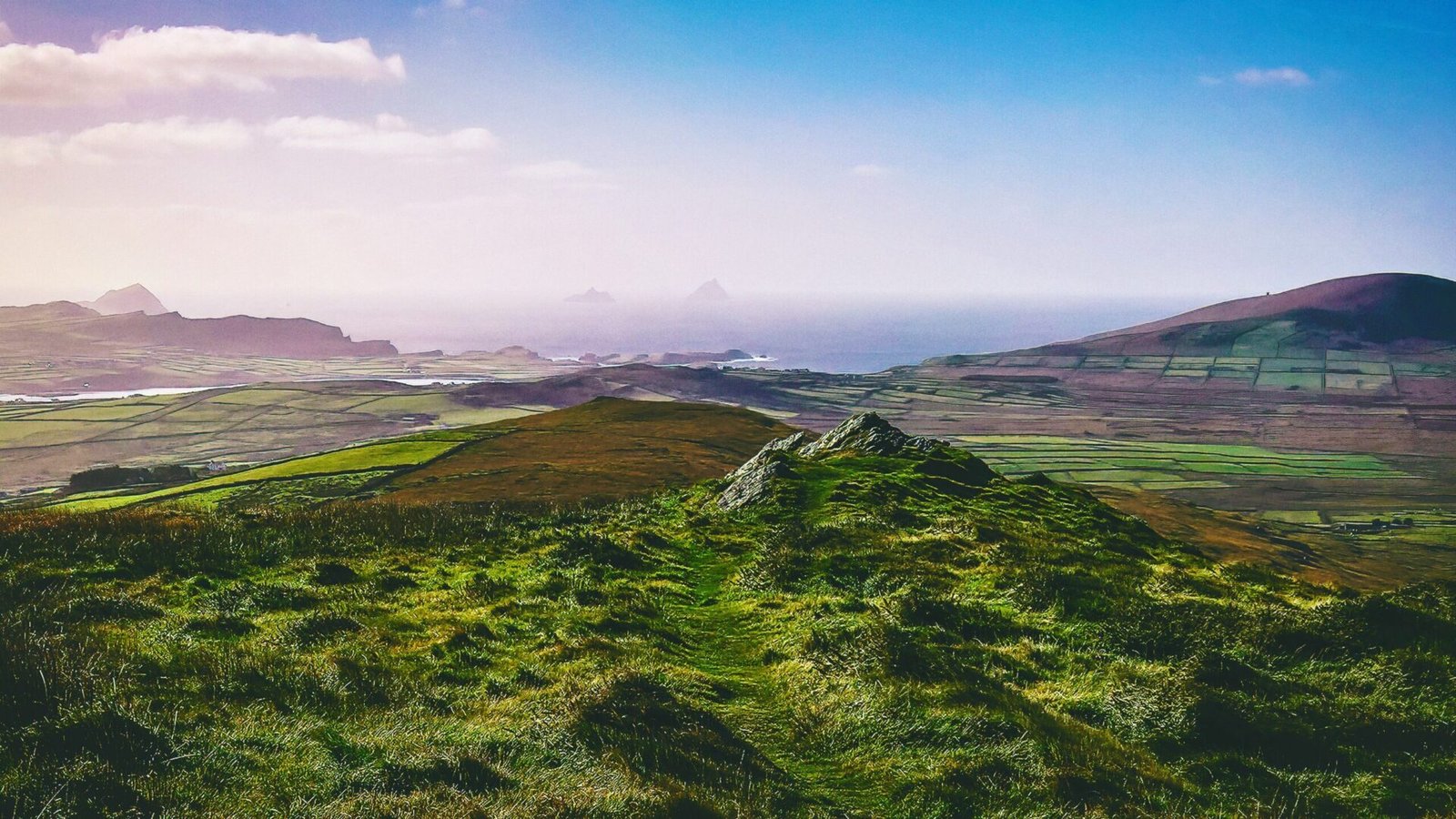
The Norse-Gaelic intermarriages also left a tangible impact on the Irish landscape. The establishment of Norse settlements and the subsequent integration with Gaelic communities led to the development of urban centers that became focal points of trade and cultural exchange. Dublin, originally founded as a Norse longphort (fortified settlement), evolved into a thriving city that epitomized the Norse-Gaelic fusion. The city’s layout, architecture, and place names bear witness to this blending of cultures.
Moreover, the Norse influence on maritime activities contributed to the growth of coastal trade routes and the expansion of Ireland’s connections with the wider world. The Norse-Gaelic ports facilitated the exchange of goods, ideas, and people, further embedding the Norse presence in the Irish landscape and economy.
Language and Linguistic Exchange
Language served as another arena where Norse and Gaelic cultures intersected. The Old Norse language, spoken by the Viking settlers, began to influence the Gaelic tongue, particularly in areas of high Norse settlement. This linguistic exchange is evident in the adoption of Norse words into the Irish language, especially related to seafaring, trade, and daily life. Place names across Ireland, such as Waterford (from the Old Norse “Veðrafjǫrðr”) and Wicklow (from “Víkingalág”), also reflect this linguistic blending.
The intermarriage of Norse and Gaelic individuals likely facilitated bilingualism, with children from these unions often fluent in both languages. This bilingualism not only eased communication and trade but also contributed to the cultural and intellectual exchange between the two groups.
Legacy and Modern Reflections
The legacy of Norse-Gaelic intermarriage is still evident in modern Ireland, where surnames, folklore, and cultural practices bear traces of this historical blending. Surnames like Doyle (from the Irish “Ó Dubhghaill,” meaning “descendant of the dark foreigner”) and MacAuliffe (from the Norse “Olaf”) highlight the enduring impact of Norse-Gaelic unions on Irish identity.
In contemporary times, the story of Norse-Gaelic intermarriage serves as a reminder of the dynamic nature of cultural identity and the potential for diverse groups to come together, creating new, enriched forms of community. As Ireland continues to celebrate its multifaceted heritage, the intermingling of Norse and Gaelic peoples remains a testament to the resilience and adaptability of human societies in the face of change.
Through this exploration of intermarriage between Norse and Gaelic individuals, we gain a deeper understanding of how these unions shaped not only the demographics and politics of medieval Ireland but also its myths, landscapes, and cultural legacy. This chapter in Irish prehistory underscores the profound influence of intermarriage and social integration in the formation of a shared cultural identity that continues to resonate today.