Hillforts
Hillforts

Ancient Fortified Landscapes

Hillforts represent significant social and defensive structures in Irish prehistory, marking the rise of complex societies. This article highlights three key hillfort sites: Dun Aonghasa on Inis Meain, the impressive Grianan of Aileach, and the enigmatic Hill of Tara, each steeped in mythology and offering insights into ancient Irish life.

Fortified Landscape Heritage

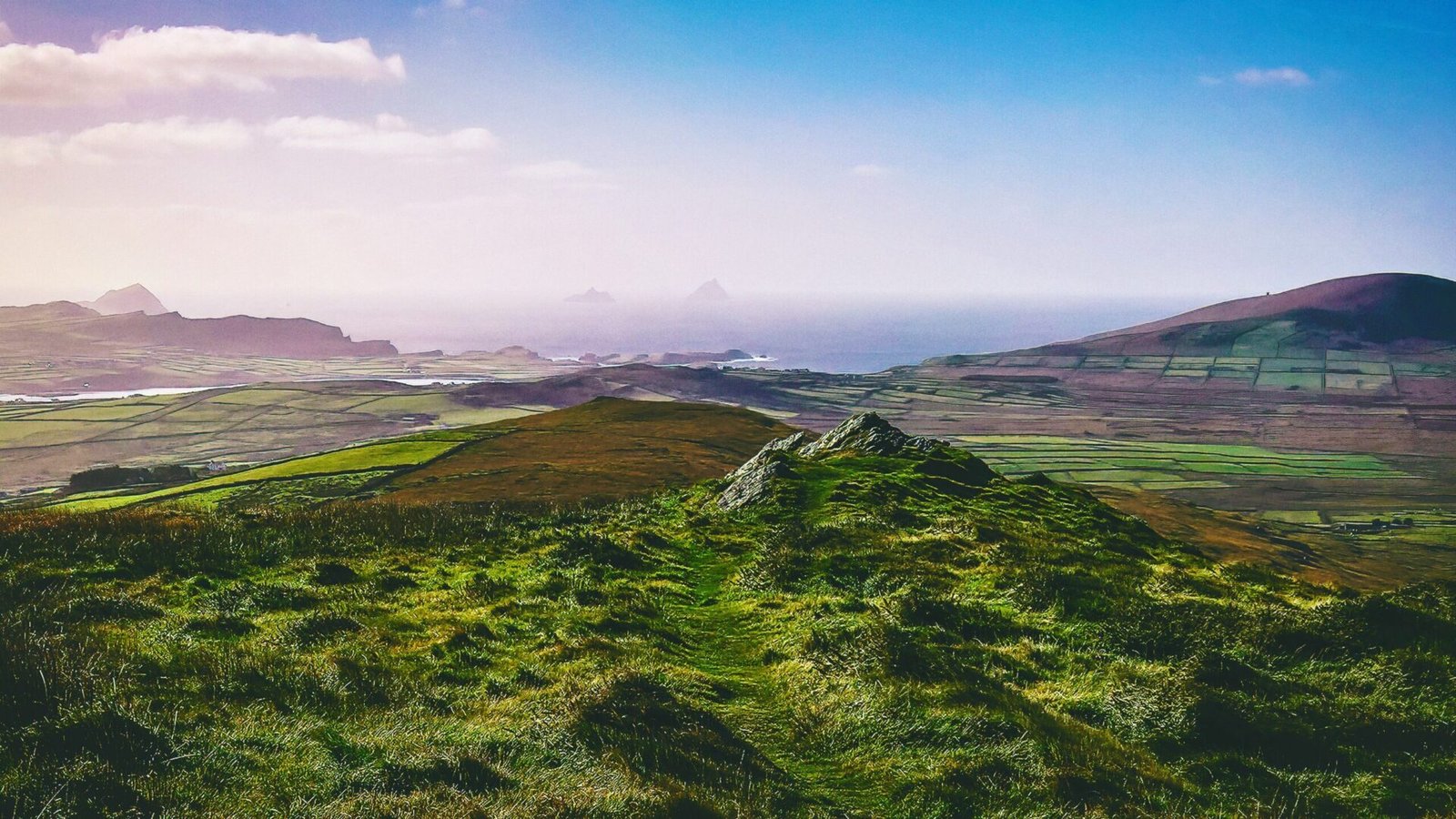
Hillforts in Ireland showcase remarkable architectural features that reflect their significance in prehistoric society. Typically situated on elevated terrain, these structures often include massive earthen banks, wooden palisades, and complex entrances. Their design not only provided defense but also served as communal spaces, symbolizing power and social organization in ancient communities.

Power, Trade, Community

The emergence of hillforts in Ireland marked a significant shift in social and political structures. These fortified sites served as centers of power, reflecting the growing complexity of tribal leadership and community organization. Their strategic locations not only provided defense but also facilitated trade and social interaction among emerging societies.

Battles, Fortifications, Territories

Warfare and conflict played a pivotal role in the emergence of hillforts in ancient Ireland. These fortified structures served as strategic strongholds, reflecting societal hierarchies and territorial disputes. Key archaeological sites reveal evidence of battles, while mythology intertwines with history, illustrating the complex relationship between power, land, and cultural identity.

Legends in Landscape

In the emergence of hillforts, cultural connections and mythology intertwine, revealing how ancient societies shaped their landscapes. These monumental sites served not only as strategic strongholds but also as focal points for rituals and storytelling, reflecting the rich tapestry of Irish heritage and the enduring power of myth in communal identity.

Hierarchies of Heritage

In prehistoric Ireland, social hierarchies emerged through complex relationships among warriors, chieftains, and communities. These structures were shaped by land ownership, kinship ties, and the significance of ritual practices, reflecting a society where power and prestige were intricately linked to both martial prowess and ancestral lineage.

Valor, Myth, Legacy

In ancient Ireland, warriors held a pivotal role, embodying strength and honor within tribal societies. They were not only defenders of territory but also symbols of status and power. Their exploits are woven into mythology, illustrating the intertwining of martial prowess and cultural identity, shaping the landscape of early Irish civilization.

Chieftains: Power Dynamics

In ancient Ireland, chieftains wielded significant power, shaping tribal alliances and governance. Leadership structures were often based on kinship and valor in battle, with warriors serving as both protectors and enforcers. This article examines the roles of chieftains, their influence on society, and the archaeological evidence of their strongholds.

Hierarchies in Landscape

In early Irish society, the emergence of hierarchical structures marked a significant shift in social organization. Chieftains and warriors gained prominence, establishing power dynamics that influenced land ownership and community governance. This transition laid the groundwork for complex relationships, shaping both the cultural landscape and the mythological narratives of the time.