Rituals
Rituals

Understanding Irish Prehistoric Contexts

In exploring Irish prehistory, a comparative analysis with other cultures reveals profound connections between mythology and the landscape. Ancient tales echo the natural world, where sacred sites mirror celestial events. This interplay not only shapes cultural identity but also underscores universal themes of creation, transformation, and the enduring bond between people and place.

Ancient water, sacred connections.

Sacred wells and springs in Ireland’s prehistoric landscape are steeped in mythology, serving as vital sources of life and spiritual significance. These ancient sites, often linked to deities and healing legends, reflect the deep connection between the land and its people, illustrating a rich tapestry of belief woven into Ireland’s cultural heritage.

Protecting Ireland’s Sacred Heritage

The preservation of ceremonial sites in Ireland is vital for understanding prehistory, where mythology intertwines with the landscape. Sacred mounds, stone circles, and ancient tombs echo stories of gods and ancestors, reflecting a deep cultural reverence. Protecting these sites ensures that the rich tapestry of Ireland’s heritage endures for future generations.

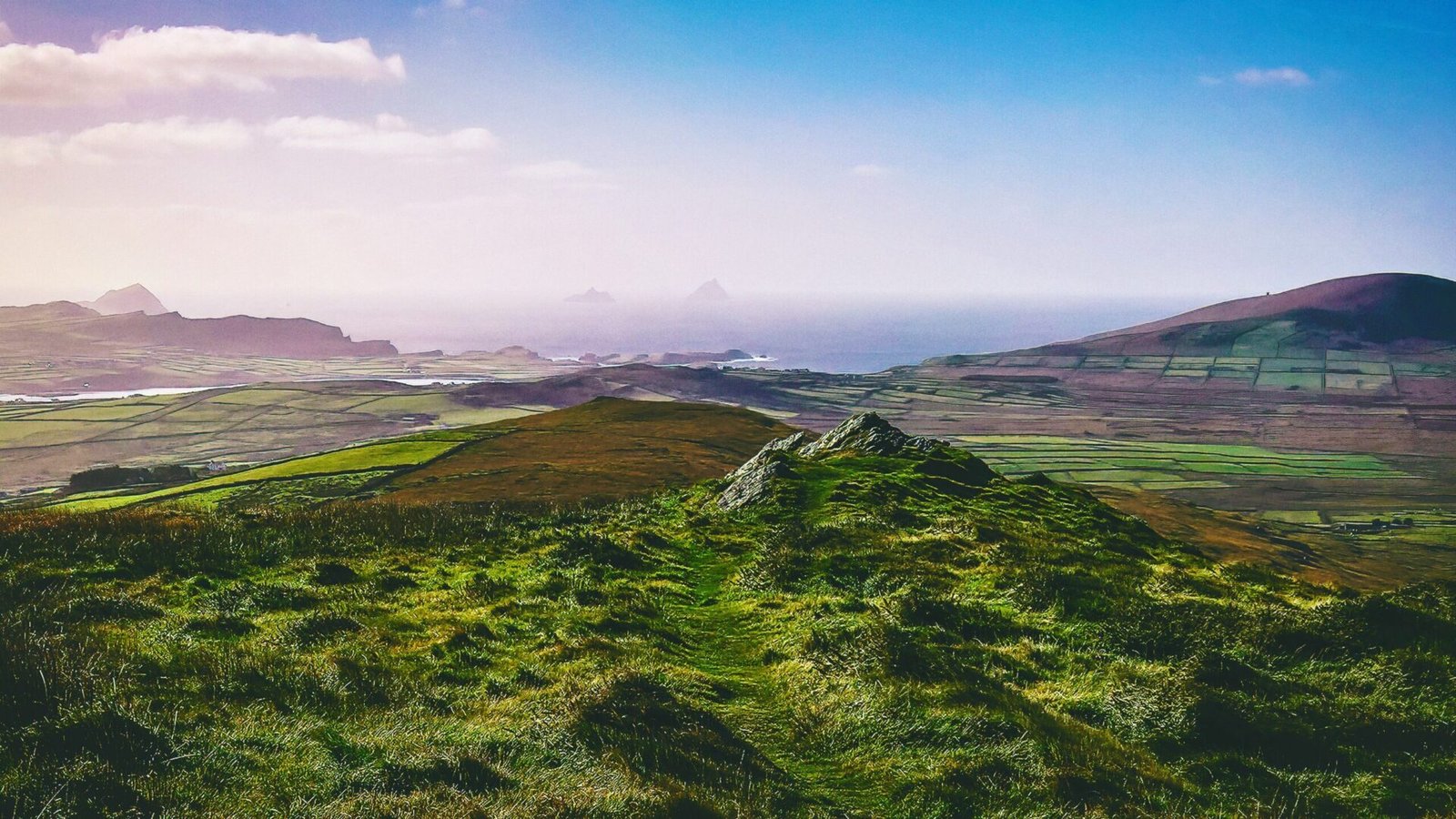
Ancient landscapes of Ireland.

Enclosures and earthworks in Irish prehistory reveal a rich tapestry of cultural significance, intertwining with mythology and the landscape. These ancient structures, often linked to deities and ancestral stories, shaped communal identity. Their enduring presence in the Irish countryside invites exploration of how history and myth coalesce in the land itself.

Legacy of Ancient Traditions

The role of Irish prehistory in contemporary culture is profound, intertwining mythology with the landscape. Ancient sites like Newgrange echo stories of deities and heroes, while folklore shapes modern identity. This rich tapestry of history influences art, literature, and community, fostering a deep connection to Ireland’s past and its enduring legacy.

Ancient Irish burial traditions.

Burial practices in Irish prehistory reveal profound connections between the dead and the living landscape. Megalithic tombs, such as passage graves, align with celestial events, reflecting beliefs in the afterlife. Mythology intertwines with these sites, as tales of gods and ancestors echo through the hills, shaping cultural identity and spiritual reverence.

Ancient Bonds, Shared Heritage

In Irish prehistory, community gatherings were pivotal, fostering social cohesion and cultural identity. Mythology reflects these communal ties, with tales of legendary figures often linked to sacred landscapes. Ancient sites like hill forts and stone circles echo this heritage, serving as enduring symbols of unity, celebration, and the shared human experience across generations.