Rituals
Rituals

Ancient Irish Artistry Unveiled

In Irish prehistory, natural materials like stone, bone, and wood served as vital mediums for artistic expression. These elements not only shaped artifacts but also intertwined with mythology, as seen in sacred sites and ancient carvings. The landscape itself became a canvas, reflecting the deep connection between nature, culture, and identity.

Burial Practices Reflect Beliefs

This article explores the intricate burial practices of Irish prehistory, revealing their profound significance in shaping cultural identity. By examining archaeological findings alongside mythological narratives and the sacred landscape, we uncover how these ancient rituals not only honored the dead but also forged connections between the living, the divine, and the earth.

Megalithic symbols of Ireland.

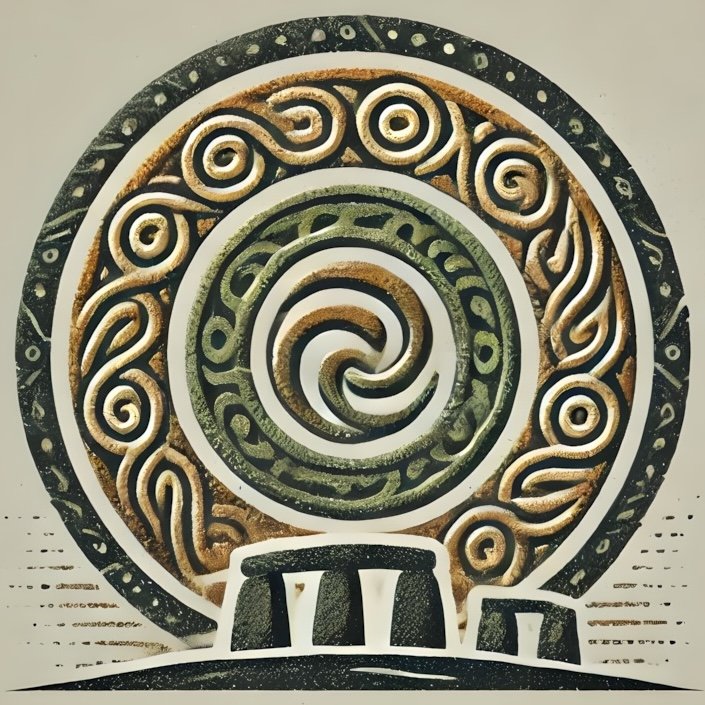
Megalithic art in Irish prehistory showcases common symbols such as spirals, circles, and anthropomorphic figures, reflecting a deep connection to mythology and the landscape. These motifs often represent cosmic cycles, fertility, and ancestral spirits, intertwining the natural world with cultural narratives, revealing how ancient communities understood their environment and existence.

Ancient monument, cultural significance.

Newgrange stands as a monumental testament to Ireland’s prehistoric past, intertwining ancient architecture with rich mythology. This Neolithic passage tomb, aligned with the winter solstice, reflects the spiritual connection early Irish societies had with the landscape. Its enduring presence symbolizes the interplay between history, myth, and the natural world in Ireland.

Ancient symbols of continuity.

In Irish prehistory, spirals and concentric circles symbolize the interconnectedness of life, the cosmos, and the earth. These motifs, found in ancient carvings and sacred sites, resonate through mythology, reflecting cycles of rebirth and nature’s rhythms. The landscape itself, dotted with these forms, becomes a canvas of cultural memory and spiritual significance.

Interlinked Ancient Irish Heritage

The Boyne Valley, rich in prehistoric significance, links ancient sites like Newgrange and Knowth, revealing Ireland’s mythological tapestry. These monuments, aligned with celestial events, echo tales of gods and heroes, intertwining history with landscape. This sacred geography not only shapes Ireland’s cultural identity but also deepens our understanding of its prehistoric past.

Nature’s Sacred Role Revealed

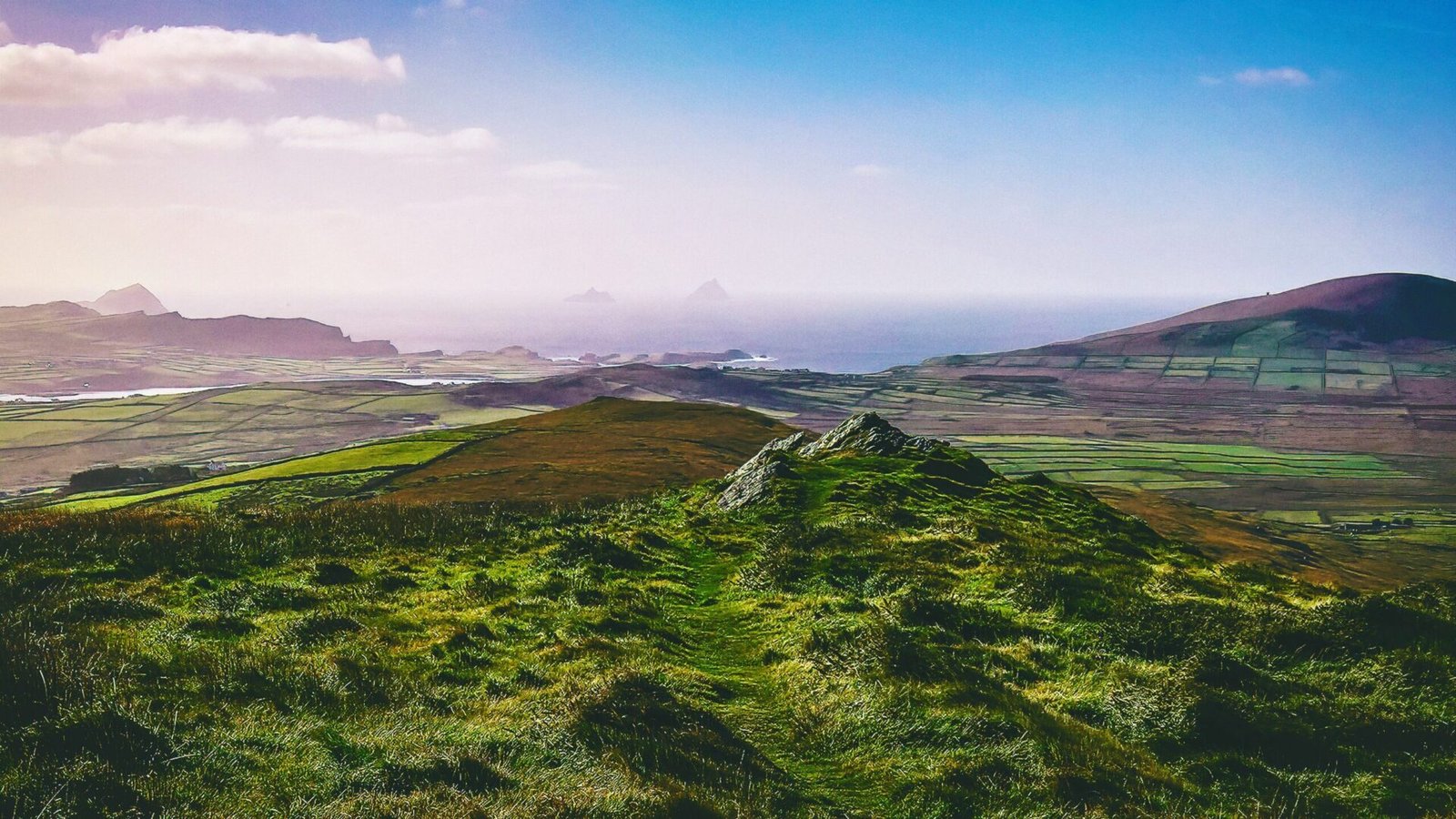
In Irish prehistory, the landscape served as a sacred canvas, shaping Neolithic spirituality. Sacred sites like Newgrange and the Hill of Tara illustrate how natural features influenced mythological narratives. These connections reveal a profound relationship between the people and their environment, where mountains, rivers, and stones embodied divine presence and ancestral memory.

Symbolic wildlife in Ireland

In Irish prehistory, animal representations, particularly deer and birds, are deeply woven into mythology and the landscape. These creatures symbolize fertility, transformation, and the connection between the earthly and spiritual realms. Their presence in ancient art and folklore reflects a profound reverence for nature, shaping cultural identity and landscape narratives.

Heritage, Ritual, Identity, Reflection

Newgrange, a prehistoric monument in Ireland, serves as a powerful symbol of ancient rituals and beliefs. Contemporary society views it as a nexus of mythology and landscape, intertwining history with modern spirituality. This perspective highlights the enduring legacy of Ireland’s past, inviting reflection on cultural identity and the significance of ancestral traditions.