Vikings
Vikings

Celtic Roots Shape Culture

In Irish prehistory, the interwoven tapestry of language, art, and trade profoundly shaped cultural identity, leaving indelible marks on mythology and the landscape. Ancient myths echo the vibrant exchanges and artistic expressions of early societies, while the landscape bears silent witness to the dynamic interactions that forged Ireland’s rich heritage.

Dublin: Prehistoric Trading Nexus

In Irish prehistory, urban centers like Dublin emerged as vital trading hubs, intertwining commerce and culture. These early developments are mirrored in mythology, where tales of bustling trade and mystical landscapes abound. The intertwining of myth and reality is evident in the landscape, shaping Ireland’s rich historical tapestry and enduring cultural legacy.

Vikings Sculpted Ireland’s Urbanity

The Vikings significantly influenced Irish urban landscapes, merging Norse and Celtic cultures. Their settlements, like Dublin, became bustling trade hubs, reshaping Ireland’s urban development. This transformation is mirrored in Irish mythology, where Norse gods and legends intertwine with Celtic tales, leaving an indelible mark on both the physical and cultural landscape.

Explore Ireland’s Ancient Heritage

Explore Ireland’s rich tapestry of prehistory through its key archaeological sites. Visit Dublinia to delve into Viking heritage, or wander Waterford’s Viking Triangle. These sites not only reveal ancient life but also echo through Irish mythology, intertwining legends with the enchanting landscapes that have shaped Ireland’s cultural narrative for millennia.

Resilience Amidst Viking Invasions

Irish responses to Viking raids and settlements were complex, blending resistance with cultural integration. In the context of Irish prehistory, these interactions are reflected in mythology, where Norse invaders became legendary figures. The landscape, dotted with ringforts and longphorts, bears silent witness to the era’s tumultuous yet transformative encounters.

Ancient Conflicts and Alliances

The Battle of Clontarf, a pivotal event in Irish prehistory, symbolizes the struggle for power and identity. This conflict, deeply embedded in mythology, echoes through Ireland’s landscape, with ancient sites and tales intertwining history and legend. Such battles and alliances reveal the rich tapestry of Ireland’s cultural heritage and enduring legacy.

Ancient Irish Resistance Myths

In Irish prehistory, mythological narratives of resistance are deeply woven into both mythology and the landscape. Tales of legendary figures like Cú Chulainn and Queen Medb reflect enduring themes of defiance and resilience. These stories, etched into sacred sites and ancient hills, reveal a cultural tapestry where land and legend intertwine, embodying Ireland’s enduring spirit.

Ancient echoes on Lambay.

Lambay Island, a mystical gem off Ireland’s coast, holds a rich tapestry of prehistoric significance. Its ancient stone tools and burial sites whisper tales of early settlers. Mythology intertwines with the landscape, where legends speak of gods and giants shaping its rugged cliffs, echoing Ireland’s deep-rooted connection to its mythical past.

Ancient roots shaping Ireland

The long-term impacts on Irish society and culture, rooted in its prehistoric past, are vividly reflected in both mythology and the landscape. Ancient tales intertwine with the rolling hills and sacred sites, offering a window into early beliefs and traditions. This enduring legacy shapes Ireland’s identity, echoing through generations and enriching its cultural tapestry.

Ancient Mysteries Unveiled: Skellig

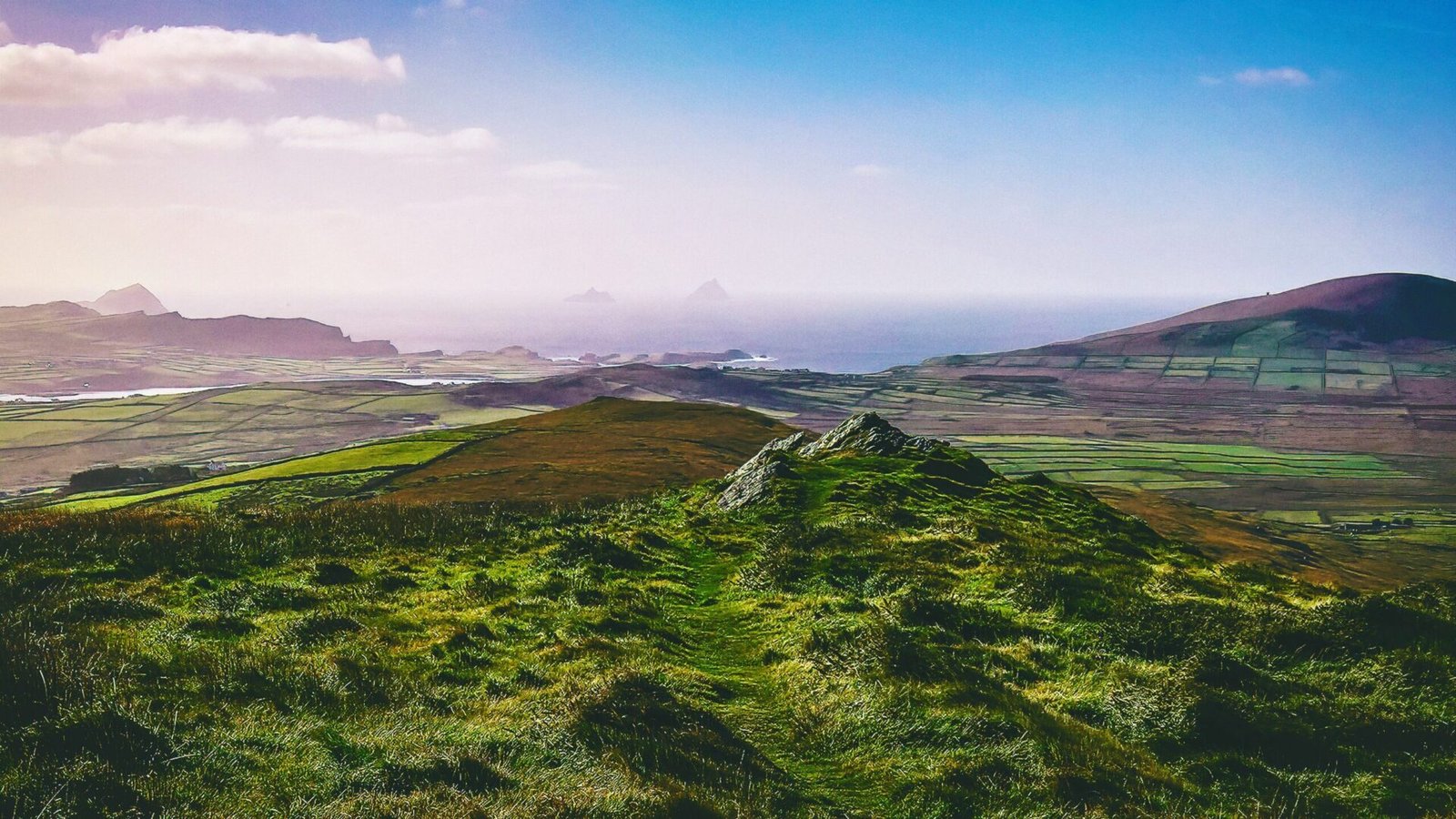
Rechru, known today as Skellig Michael, stands as a testament to Ireland’s rich prehistoric tapestry. This rugged island, steeped in mythology, echoes tales of ancient monks and mystical journeys. Its dramatic landscape, carved by time, mirrors the mythological narratives that have shaped Ireland’s cultural heritage, blending history with legend.