Artistic Expressions in Celtic Culture: Visual Arts
The visual arts of Celtic culture, a vibrant tapestry woven through the annals of Irish prehistory, offer a fascinating glimpse into the lives, beliefs, and landscapes of ancient peoples. These artistic expressions, rich in symbolism and intricate design, are not merely decorative but serve as a bridge connecting the myths and landscapes of Ireland with the people who once roamed its hills and valleys. This exploration delves into the distinctive styles of Celtic art, the symbolism embedded within, and the key archaeological sites that house these treasures.
Overview of Celtic Art Styles
Celtic art is renowned for its intricate patterns and symbolic motifs, with two primary styles dominating its historical timeline: La Tène and Insular art.
La Tène Art: Emerging around 500 BCE, La Tène art is named after the archaeological site of La Tène on Lake Neuchâtel in Switzerland, where artifacts of this style were first discovered. This style is characterized by its fluid, curvilinear designs, often incorporating spirals, triskeles, and plant motifs. The La Tène style reflects a pan-European Celtic culture, with its influence spreading across the continent, including Ireland. Artifacts such as weapons, jewelry, and pottery from this period reveal a sophisticated aesthetic sensibility, with designs that seem to dance across the surfaces, echoing the natural world and the spiritual beliefs of the Celts.
Insular Art: As Christianity spread across Ireland in the early medieval period, a new art form emerged, known as Insular art. This style is a fusion of native Celtic traditions and Christian iconography, resulting in a unique visual language. Insular art is most famously represented in illuminated manuscripts, such as the Book of Kells, which features intricate knotwork, interlacing patterns, and vibrant colors. The style also extends to metalwork and stone carvings, with high crosses and reliquaries showcasing the same elaborate designs. Insular art reflects a period of cultural synthesis, where the old and new worlds coalesced into a distinct artistic expression.
Symbolism in Celtic Art
Celtic art is rich with symbolism, each motif carrying layers of meaning and significance. Among the most prevalent symbols are spirals, knots, and animals, each offering insights into the Celtic worldview.
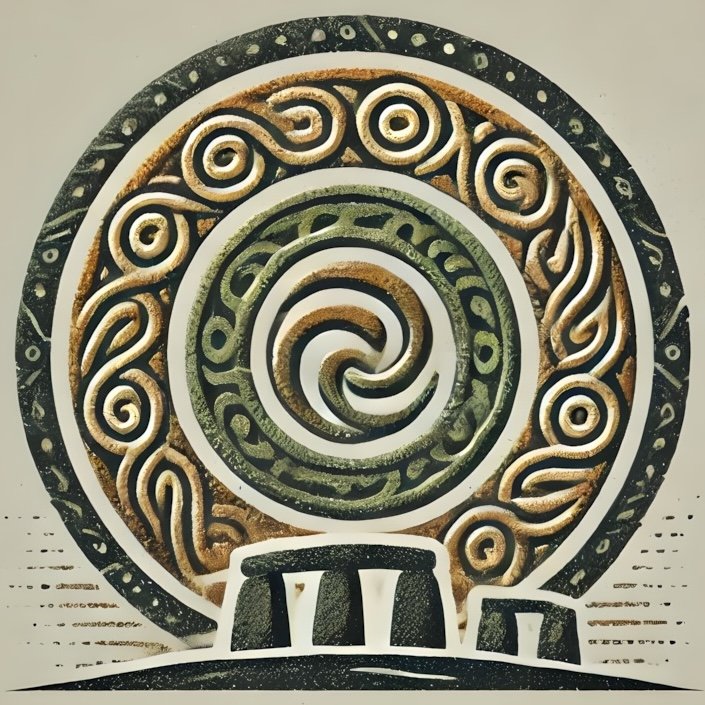
Spirals: The spiral is one of the oldest and most enduring symbols in Celtic art, often representing the concept of eternity and the cyclical nature of life. Spirals can be found carved into stones at ancient sites like Newgrange, where they are believed to symbolize the journey of the soul or the passage of time. The triple spiral, or triskele, is particularly significant, often associated with the three realms of earth, sea, and sky, or the tripartite nature of the Celtic goddess.
Knots: Celtic knots, with their endless loops and interwoven patterns, symbolize the interconnectedness of life and eternity. These designs are prevalent in Insular art, adorning manuscripts, crosses, and jewelry. The unbroken lines of Celtic knots suggest a continuity of life and the eternal nature of the spirit, reflecting the Celts’ belief in an interconnected universe.
Animals: Animals hold a prominent place in Celtic art, often depicted with exaggerated features and stylized forms. Each animal carries its own symbolism; for example, the stag represents nobility and the connection to the otherworld, while the boar signifies strength and courage. These depictions are not merely decorative but serve as a testament to the Celts’ reverence for nature and their belief in the spiritual significance of animals.
Key Archaeological Sites with Notable Art
Ireland’s landscape is dotted with archaeological sites that offer a window into the artistic expressions of its ancient inhabitants. Among these, Newgrange and the Hill of Tara stand out for their remarkable art and historical significance.
Newgrange: This prehistoric monument, dating back to around 3200 BCE, is one of the most famous sites in Ireland. Newgrange is a passage tomb, renowned for its winter solstice alignment, when the rising sun illuminates its inner chamber. The stones of Newgrange are adorned with intricate carvings, including spirals, lozenges, and circles, showcasing the artistic skill and symbolic language of its builders. These carvings are not merely decorative but are thought to hold spiritual significance, possibly related to the site’s role in ancient rituals.
Hill of Tara: The Hill of Tara, a site of great mythological and historical importance, was the seat of the High Kings of Ireland. It is home to numerous ancient monuments, including the Lia Fáil, or Stone of Destiny, which is said to roar when touched by the rightful king. The art found at Tara, including carved stones and earthworks, reflects its status as a center of power and spirituality. The motifs here often echo those found in other Celtic art, suggesting a shared cultural and symbolic language across the island.
The Interplay of Myth and Landscape
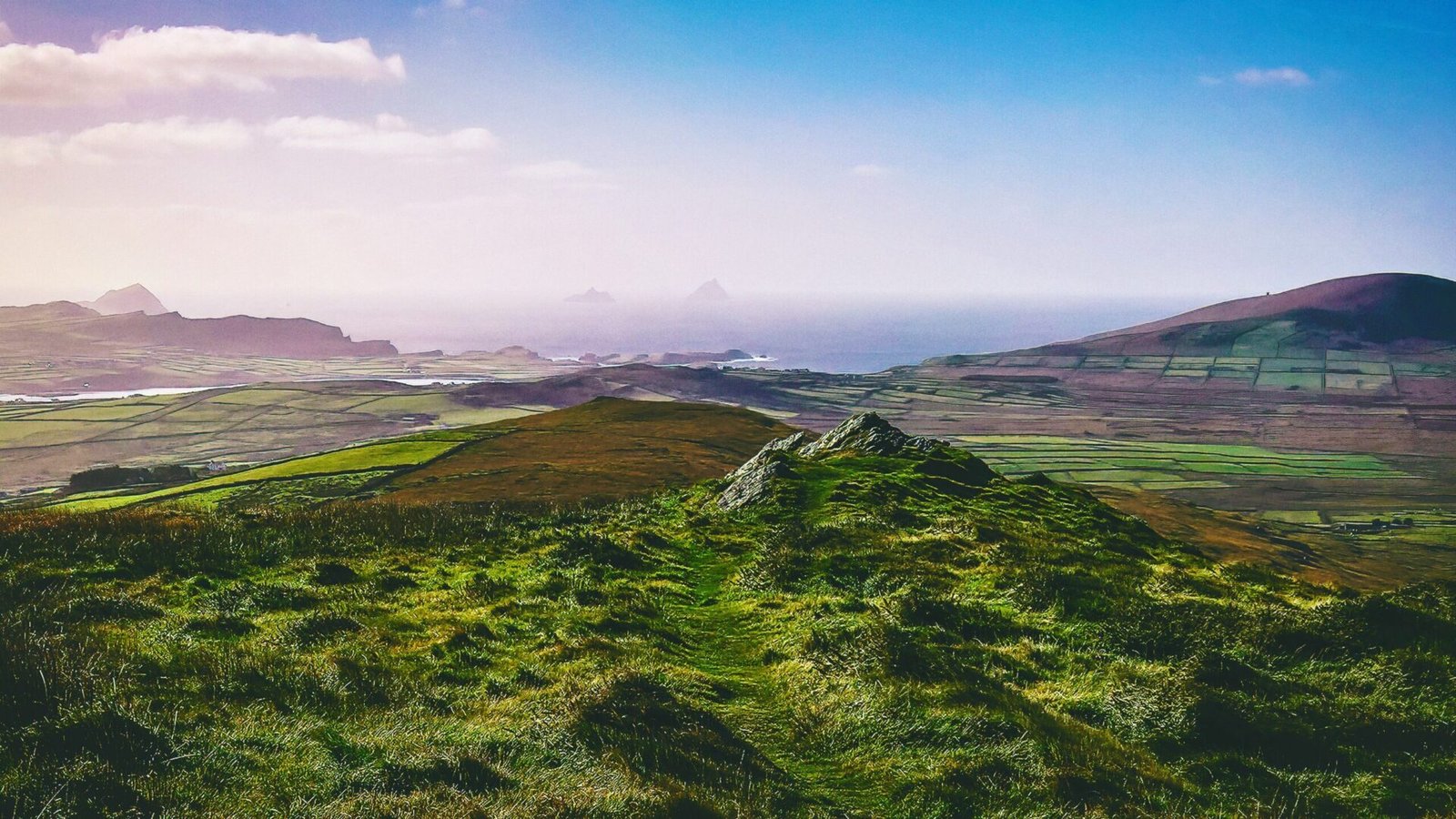
The visual arts of Celtic culture are deeply intertwined with the myths and landscapes of Ireland. The motifs and symbols found in Celtic art are not isolated designs but are rooted in the stories and beliefs of the people who created them. The landscapes themselves, with their rolling hills, ancient forests, and sacred sites, are reflected in the art, serving as both inspiration and canvas.
The myths of Ireland, populated by gods, heroes, and mythical creatures, find expression in the visual arts. The tales of the Tuatha Dé Danann, the legendary inhabitants of Ireland, are echoed in the spirals and knots that adorn ancient artifacts. The landscape, with its sacred hills and ancient tombs, provides a backdrop for these stories, grounding them in the physical world.
In conclusion, the visual arts of Celtic culture offer a rich tapestry of history, mythology, and symbolism. Through the intricate designs of La Tène and Insular art, the Celts expressed their beliefs, their connection to the natural world, and their understanding of the universe. The archaeological sites of Ireland, with their remarkable art, serve as a testament to the enduring legacy of Celtic culture, inviting us to explore the depths of their artistic expressions and the stories they tell.