
Artistic Expressions in Celtic Culture: Craftsmanship
In the verdant landscapes of ancient Ireland, where rolling hills meet the misty horizon, the Celts cultivated a rich tapestry of artistic expression that intertwined with their myths, beliefs, and daily life. Craftsmanship, a cornerstone of this cultural heritage, was not merely a means of creating functional objects but a profound expression of identity, status, and spiritual connection. This artistry was manifested in various forms, including metalwork, pottery, and textiles, each contributing uniquely to the societal fabric and trade networks of the time.
Metalwork: The Alchemy of the Celts
Metalwork in Celtic culture was a dazzling display of skill and creativity, transforming raw materials into objects of beauty and power. The Celts were master metalworkers, renowned for their ability to manipulate bronze, gold, and iron into intricate designs that often bore symbolic significance. These artifacts were not only functional but also served as status symbols and offerings to the gods.
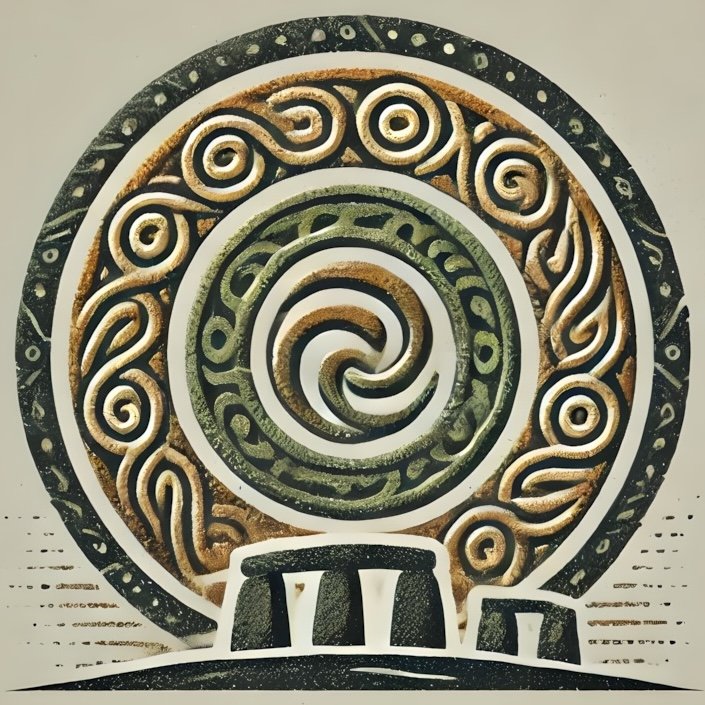
The torc, a rigid neck ring, is one of the most iconic examples of Celtic metalwork. Often crafted from gold or bronze, torcs were worn by chieftains and warriors as symbols of power and prestige. The craftsmanship involved in creating these pieces was extraordinary, with artisans employing techniques such as repoussé and filigree to achieve intricate patterns and motifs. These designs frequently incorporated spirals, knots, and animal forms, reflecting the Celts’ deep connection to nature and the spiritual world.
Metalwork also played a crucial role in trade, as Celtic artisans produced items that were highly sought after across Europe. The exchange of metal goods facilitated cultural interactions and the spread of Celtic artistic styles, influencing neighboring cultures and leaving a lasting legacy on the continent’s artistic landscape.
Pottery: The Earthly Canvas
While metalwork dazzled with its brilliance, Celtic pottery offered a more subdued yet equally significant form of artistic expression. Pottery in ancient Ireland was primarily utilitarian, used for cooking, storage, and ceremonial purposes. However, the Celts imbued these everyday objects with artistic flair, decorating them with patterns and motifs that mirrored those found in metalwork.
Celtic pottery was typically hand-built and fired in simple kilns, with artisans using natural pigments to create earthy tones. The designs often featured geometric patterns, spirals, and stylized animal forms, echoing the motifs found in other art forms. These decorations were not merely ornamental; they held symbolic meanings and were believed to offer protection or convey stories.
The role of pottery in trade was significant, as these items were exchanged both locally and with distant communities. The distribution of Celtic pottery across Europe provides valuable insights into the trade networks and cultural exchanges of the time, highlighting the interconnectedness of ancient societies.
Textiles: Weaving the Fabric of Society
Textiles were another vital aspect of Celtic craftsmanship, with weaving and dyeing techniques passed down through generations. The Celts were skilled weavers, producing textiles that were both functional and decorative. Wool was the primary material used, though linen and other fibers were also employed.
Celtic textiles were renowned for their vibrant colors and intricate patterns, achieved through the use of natural dyes and complex weaving techniques. Plaids and checks were common designs, reflecting the Celts’ affinity for geometric patterns. These textiles were used for clothing, blankets, and ceremonial garments, playing a crucial role in daily life and social rituals.
The production of textiles was often a communal activity, with women primarily responsible for spinning, dyeing, and weaving. This craft not only provided clothing and other necessities but also served as a means of expressing identity and status. High-quality textiles were prized possessions, often used as gifts or traded for other goods, underscoring their value in Celtic society.
The Role of Craftsmanship in Societal Status and Trade
In Celtic culture, craftsmanship was intrinsically linked to societal status and economic prosperity. Skilled artisans were highly respected, their work essential to both the spiritual and material well-being of the community. The ability to create beautiful and functional objects elevated the status of craftsmen and women, granting them a revered position within the social hierarchy.
Craftsmanship also played a pivotal role in trade, as Celtic artisans produced goods that were in high demand across Europe. The exchange of crafted items facilitated not only economic prosperity but also cultural exchange, as ideas and artistic styles were shared and adapted by different communities. This interconnectedness is evident in the spread of Celtic motifs and techniques, which influenced the art and culture of neighboring regions.
Moreover, the craftsmanship of the Celts was deeply intertwined with their myths and spiritual beliefs. Many crafted objects, from metalwork to textiles, were imbued with symbolic meanings and used in religious rituals. This spiritual dimension added another layer of significance to the work of Celtic artisans, as their creations were not only valued for their beauty and utility but also for their connection to the divine.
Beyond the Craft: The Legacy of Celtic Artistry
The legacy of Celtic craftsmanship extends far beyond the artifacts themselves, offering a window into the values, beliefs, and daily life of ancient Ireland. The artistry of the Celts reflects a culture that revered nature, celebrated individuality, and embraced the interconnectedness of all things. Through their craftsmanship, the Celts left an indelible mark on the artistic landscape of Europe, influencing countless generations and continuing to inspire artists and artisans today.
In exploring the craftsmanship of the Celts, we uncover not only the technical skills and artistic achievements of these ancient people but also the stories and symbols that shaped their world. From the gleaming metalwork that adorned chieftains to the humble pottery that served daily needs, each crafted object tells a story of creativity, connection, and cultural identity. As we delve into the artistic expressions of Celtic culture, we are reminded of the enduring power of craftsmanship to transcend time and connect us to the past.