
Influence on Language, Folklore, and Contemporary Culture
The rich tapestry of Irish prehistory is woven with threads of myth, legend, and cultural evolution. This intricate weave has left an indelible mark on language, folklore, and contemporary culture, creating a legacy that continues to resonate today. As we delve into this cultural legacy, we uncover how the ancient past has shaped the present, influencing not only the spoken word but also the stories we tell and the cultural expressions we cherish.
The Linguistic Legacy
The Irish language, or Gaeilge, is one of the most significant remnants of Ireland’s prehistoric past. As a member of the Celtic language family, it shares roots with Scottish Gaelic and Manx, and its evolution offers a glimpse into the migration and settlement patterns of ancient peoples. The language is a living testament to the resilience of Irish culture, having survived centuries of external pressures, including colonization and anglicization.
The influence of Irish on contemporary English is notable, particularly in the form of loanwords and idiomatic expressions. Words like “banshee” (bean sí), “leprechaun” (leipreachán), and “galore” (go leor) have seamlessly integrated into English, carrying with them the weight of their mythological origins. These words not only enrich the English language but also serve as cultural ambassadors, introducing elements of Irish folklore to a global audience.
Folklore: The Echoes of Myth
Irish folklore is a vibrant repository of the island’s prehistoric past, where myth and reality intertwine. The ancient tales of the Tuatha Dé Danann, the Fomorians, and the Milesians are more than mere stories; they are reflections of the societal values, fears, and aspirations of early Irish communities. These myths, passed down through generations, have been instrumental in preserving the cultural identity of Ireland.
The folklore of Ireland is replete with supernatural beings and legendary heroes whose stories have transcended time. Figures such as Cú Chulainn and Fionn mac Cumhaill are celebrated not only in traditional tales but also in modern literature and media. Their exploits, often set against the backdrop of Ireland’s rugged landscape, continue to inspire contemporary storytellers, ensuring that these ancient narratives remain relevant.
The Landscape as a Cultural Canvas
The Irish landscape is more than a geographical entity; it is a cultural canvas painted with the stories and symbols of its prehistoric inhabitants. Sacred sites such as Newgrange, the Hill of Tara, and the Giant’s Causeway are imbued with mythological significance, serving as tangible links to the past. These sites are not only archaeological treasures but also focal points for cultural and spiritual reflection.
The interplay between landscape and myth is evident in the way certain natural features are personified in folklore. Mountains, rivers, and lakes are often attributed with human characteristics or divine qualities, reflecting the deep connection between the people and their environment. This symbiotic relationship has fostered a sense of place that is integral to Irish identity, influencing artistic and literary expressions throughout history.
Contemporary Cultural Expressions
The influence of Irish prehistory and mythology extends beyond language and folklore, permeating contemporary culture in myriad ways. In literature, authors such as W.B. Yeats and James Joyce have drawn inspiration from ancient myths, weaving them into the fabric of their works. Yeats, in particular, was fascinated by the mystical elements of Irish folklore, which he believed held profound truths about the human condition.
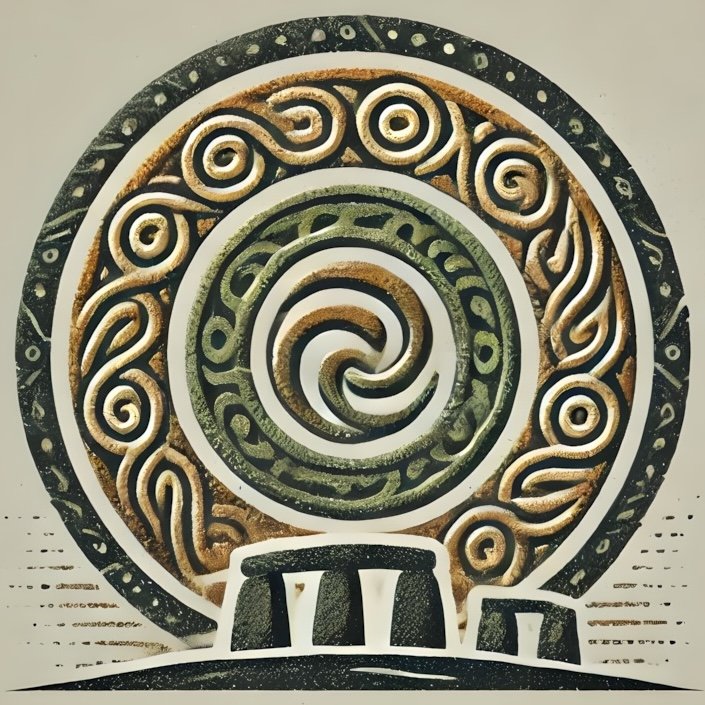
In the realm of visual arts, the motifs and symbols of prehistoric Ireland continue to inspire artists. The intricate designs of Celtic knots, spirals, and crosses are prevalent in modern jewelry, textiles, and tattoos, serving as enduring symbols of cultural heritage. These artistic expressions not only celebrate the past but also allow individuals to connect with their ancestry in a personal and meaningful way.
Music, too, is a powerful conduit for the transmission of cultural legacy. Traditional Irish music, with its haunting melodies and rhythmic dances, echoes the sounds of ancient times. Contemporary musicians often incorporate elements of traditional music into their compositions, creating a fusion that honors the past while embracing the present. This musical dialogue between eras ensures that the spirit of Irish prehistory remains alive and vibrant.
The Global Impact
The cultural legacy of Irish prehistory is not confined to the island’s shores; it has a global reach that continues to grow. The Irish diaspora, spread across continents, has carried with it the stories, language, and traditions of its homeland. This has led to the establishment of Irish cultural festivals worldwide, where people of all backgrounds come together to celebrate and explore Irish heritage.
Moreover, the universal themes found in Irish mythology—heroism, love, betrayal, and transformation—resonate with audiences around the world. These stories, though rooted in a specific cultural context, speak to the shared human experience, transcending geographical and temporal boundaries. As a result, Irish myths and folklore have found their way into international literature, film, and popular culture, contributing to a global appreciation of Ireland’s rich cultural heritage.
The Role of Education and Preservation
The preservation and promotion of Ireland’s cultural legacy are crucial for ensuring its continued influence on language, folklore, and contemporary culture. Educational initiatives, such as the inclusion of Irish mythology and history in school curricula, play a vital role in fostering an understanding and appreciation of this heritage among younger generations.
Cultural institutions, museums, and heritage sites also contribute to this effort by providing platforms for research, exhibitions, and public engagement. These spaces offer opportunities for individuals to explore the connections between past and present, deepening their understanding of Ireland’s cultural legacy.
In conclusion, the influence of Irish prehistory on language, folklore, and contemporary culture is profound and multifaceted. It is a legacy that continues to evolve, shaped by the stories we tell, the words we speak, and the cultural expressions we create. As we navigate the complexities of modern life, this legacy serves as a reminder of the enduring power of myth and the timeless connection between people and their past.