The Blending of Celtic and Pre-Celtic Traditions in Modern Ireland
Ireland, a land of lush landscapes and ancient lore, is a tapestry woven from the threads of both Celtic and pre-Celtic traditions. The island’s cultural legacy is a testament to the enduring influence of these ancient peoples, whose beliefs, practices, and stories continue to shape the Irish identity. As we explore the blending of these traditions, we uncover a rich narrative that speaks to the resilience and adaptability of cultural practices over millennia.
The Pre-Celtic Foundations
Before the Celts arrived in Ireland, the island was home to a variety of pre-Celtic peoples whose influence is still evident today. These early inhabitants left behind a wealth of archaeological treasures, including megalithic tombs, stone circles, and enigmatic carvings. Sites like Newgrange, Knowth, and Dowth, part of the Brú na Bóinne complex, are testament to the sophisticated understanding of astronomy and engineering possessed by these ancient builders. The alignment of these structures with celestial events, such as the winter solstice, suggests a deep spiritual connection to the natural world.
The pre-Celtic peoples also contributed to the rich tapestry of mythology that would later be absorbed and adapted by the Celts. Stories of the Tuatha Dé Danann, a race of supernatural beings, are believed to have pre-Celtic origins. These deities and heroes, associated with the land and its features, laid the groundwork for the mythological landscape that the Celts would inherit and transform.
The Arrival of the Celts
The Celts began arriving in Ireland around 500 BCE, bringing with them their own distinct culture, language, and belief systems. Their arrival marked a significant cultural shift, but rather than erasing the pre-existing traditions, the Celts integrated them into their own. This blending of cultures is evident in the way Celtic mythology absorbed pre-Celtic deities and legends, reinterpreting them within a new framework.
The Celtic pantheon, with its emphasis on nature and the cycles of life, resonated with the existing spiritual beliefs of the island’s inhabitants. The Celts revered the land, viewing it as a living entity imbued with divine presence. This reverence is reflected in the continued importance of sacred sites, many of which had been venerated since pre-Celtic times. The Celts also introduced the ogham script, an early form of writing that was often inscribed on standing stones, further cementing their cultural legacy.
Mythological Synthesis
The synthesis of Celtic and pre-Celtic traditions is perhaps most vividly illustrated in Irish mythology. The stories of the Ulster Cycle, the Fenian Cycle, and the Mythological Cycle are rich tapestries that weave together elements from both cultures. Characters like Cú Chulainn and Fionn mac Cumhaill are heroes whose exploits echo the deeds of earlier, pre-Celtic figures, yet are firmly rooted in the Celtic heroic tradition.
The integration of pre-Celtic deities into the Celtic pantheon is another example of this cultural blending. The goddess Brigid, for instance, is thought to have pre-Celtic origins. She was seamlessly incorporated into the Celtic belief system as a goddess of poetry, healing, and smithcraft, and later Christianized as Saint Brigid, illustrating the adaptability and enduring nature of these ancient traditions.
The Role of Folklore
Folklore plays a crucial role in preserving the blended traditions of Celtic and pre-Celtic Ireland. The oral tradition, passed down through generations, has kept alive the stories, customs, and beliefs that define Irish cultural identity. Folktales, legends, and songs often contain elements from both Celtic and pre-Celtic sources, reflecting the seamless integration of these traditions over time.
The belief in fairies, or the “Good People,” is a prime example of this cultural synthesis. These supernatural beings, often associated with ancient burial mounds and natural features, are thought to be remnants of the pre-Celtic deities and spirits. The Celts embraced these beliefs, incorporating them into their own worldview and ensuring their survival into modern times.
Modern Expressions and Revival
In contemporary Ireland, the blending of Celtic and pre-Celtic traditions continues to influence cultural expressions and national identity. Festivals such as Samhain, Imbolc, Beltane, and Lughnasadh, rooted in ancient Celtic practices, are celebrated with renewed vigor, often incorporating elements of pre-Celtic customs. These festivals serve as a reminder of the cyclical nature of life and the enduring connection between the people and the land.
The revival of interest in Irish mythology and folklore has also led to a resurgence in the study and appreciation of these ancient traditions. Artists, writers, and musicians draw inspiration from the rich tapestry of myths and legends, creating works that resonate with contemporary audiences while honoring the past. This cultural renaissance highlights the timeless appeal of Ireland’s mythological heritage and its ability to adapt and thrive in a modern context.
The Landscape as a Cultural Canvas
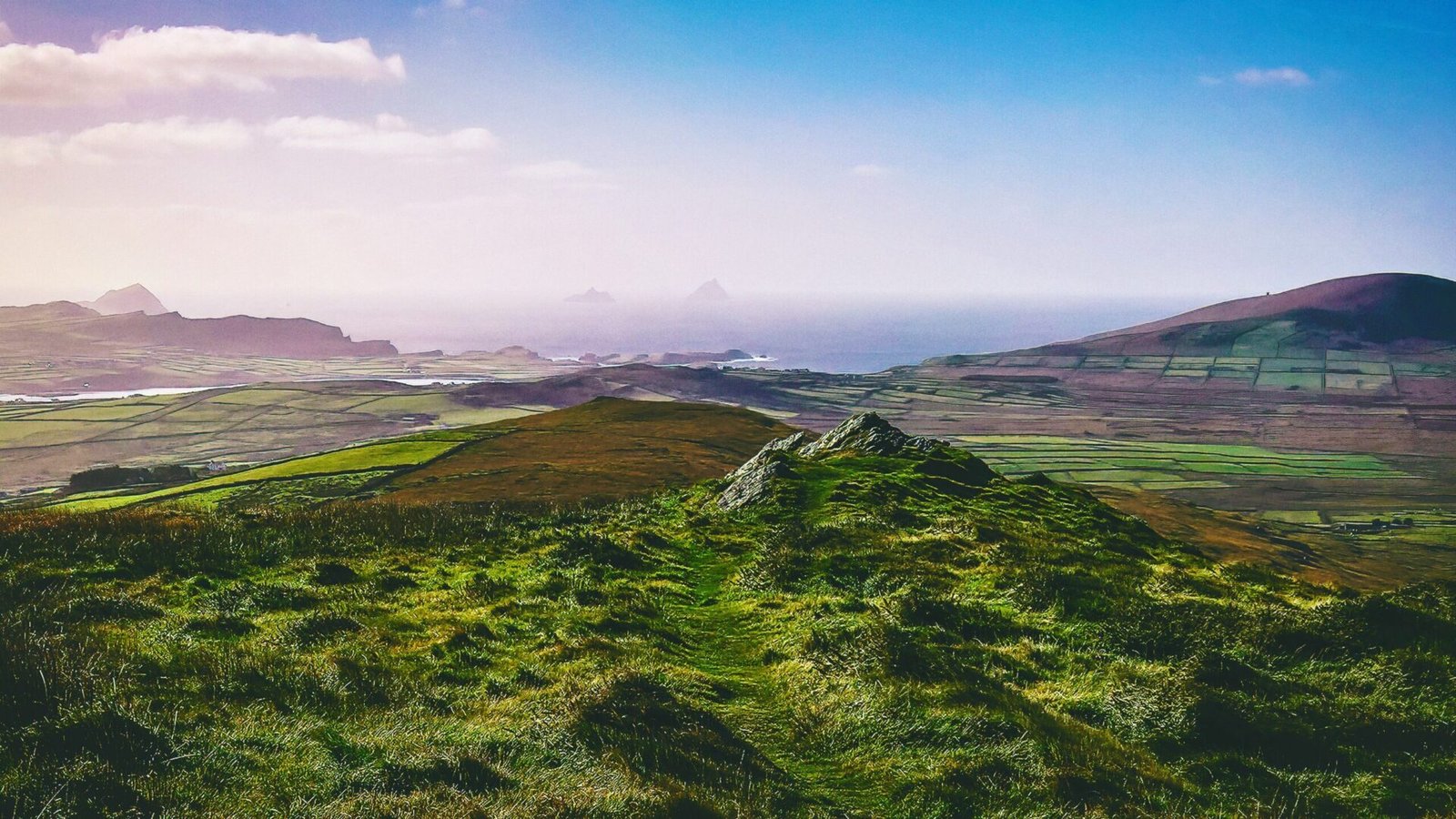
The Irish landscape itself serves as a living canvas upon which the stories of Celtic and pre-Celtic traditions are painted. The rolling hills, ancient forests, and rugged coastlines are imbued with mythological significance, serving as both inspiration and setting for countless tales. Sacred sites, such as the Hill of Tara and the Rock of Cashel, continue to draw visitors seeking a connection to the island’s storied past.
This deep connection between the landscape and cultural identity is a testament to the enduring legacy of the Celtic and pre-Celtic peoples. Their reverence for the natural world and its spiritual significance has left an indelible mark on the Irish psyche, shaping the way people interact with their environment and perceive their place within it.
Conclusion
The blending of Celtic and pre-Celtic traditions in modern Ireland is a testament to the resilience and adaptability of cultural practices. Through mythology, folklore, and the enduring connection to the land, these ancient traditions continue to shape the Irish identity, offering a rich tapestry of stories and beliefs that resonate across time. As Ireland continues to evolve, the legacy of its Celtic and pre-Celtic ancestors remains a vital part of its cultural heritage, inspiring new generations to explore and celebrate the island’s storied past.