Overview of Celtic Culture
The Celts, a collection of tribes with origins in central Europe, have left an indelible mark on the cultural landscape of Ireland and beyond. Their influence, spanning language, art, and social structure, is a testament to their rich and complex society. This overview delves into the multifaceted aspects of Celtic culture, exploring how these elements have shaped and been shaped by the myths and landscapes of prehistoric Ireland.
Language: The Heartbeat of Celtic Identity
Language is the lifeblood of any culture, and for the Celts, it was no different. The Celtic languages, a branch of the larger Indo-European language family, are divided into two main groups: Goidelic (or Gaelic) and Brythonic. In Ireland, the Goidelic branch flourished, giving rise to what we now know as Irish Gaelic. This language is not merely a means of communication but a vessel of cultural identity and tradition.
Irish Gaelic is rich with oral traditions, including myths, legends, and poetry that have been passed down through generations. These stories, often intertwined with the natural landscape, reflect the Celts’ deep connection to their environment. The language itself is imbued with a musicality and rhythm that echo the natural world, with its rolling hills and flowing rivers.
The preservation of the Irish language has been a testament to the resilience of Celtic culture. Despite historical pressures, including invasions and colonization, the language has survived and continues to be a vital part of Ireland’s cultural heritage. Today, efforts to revive and promote Irish Gaelic are ongoing, ensuring that this cornerstone of Celtic identity remains vibrant and relevant.
Art: A Tapestry of Symbolism and Craftsmanship
Celtic art is renowned for its intricate designs and symbolic motifs, reflecting the Celts’ deep spiritual beliefs and connection to nature. This art form, characterized by swirling patterns, knotwork, and animal motifs, is not only visually stunning but also rich in meaning.
The Celts were master metalworkers, creating exquisite jewelry, weapons, and ceremonial objects. The La Tène style, named after an archaeological site in Switzerland, is one of the most recognizable forms of Celtic art. It features curvilinear patterns and stylized representations of animals and humans, often imbued with spiritual significance.
Celtic art is also evident in the illuminated manuscripts of early Christian Ireland, such as the Book of Kells. These manuscripts, adorned with intricate designs and vibrant colors, demonstrate the seamless blending of Celtic and Christian motifs. The art of the Celts is a testament to their creativity and their ability to adapt and incorporate new influences while maintaining a distinct cultural identity.
Social Structure: A Complex Web of Kinship and Hierarchy
The social structure of the Celts was complex and hierarchical, yet it was also deeply rooted in kinship and community. At the heart of Celtic society was the clan, a group of families united by common ancestry and led by a chieftain. The clan was the primary unit of social organization, providing support and protection to its members.
Celtic society was stratified, with a clear hierarchy that included kings, nobles, warriors, druids, and commoners. The king, or rí, was not only a political leader but also a spiritual figure, responsible for maintaining the balance between the human and divine realms. Nobles and warriors held significant power and were often involved in tribal warfare and alliances.
The druids, a class of learned individuals, played a crucial role in Celtic society. They were the keepers of knowledge, responsible for religious rituals, legal matters, and education. The druids’ influence extended beyond the spiritual realm, as they were also advisors to kings and leaders.
Despite this hierarchical structure, Celtic society valued the principles of honor and reciprocity. Hospitality was a sacred duty, and the bonds of kinship and loyalty were paramount. This sense of community and mutual obligation was a defining feature of Celtic culture.
Myth and Landscape: A Sacred Connection
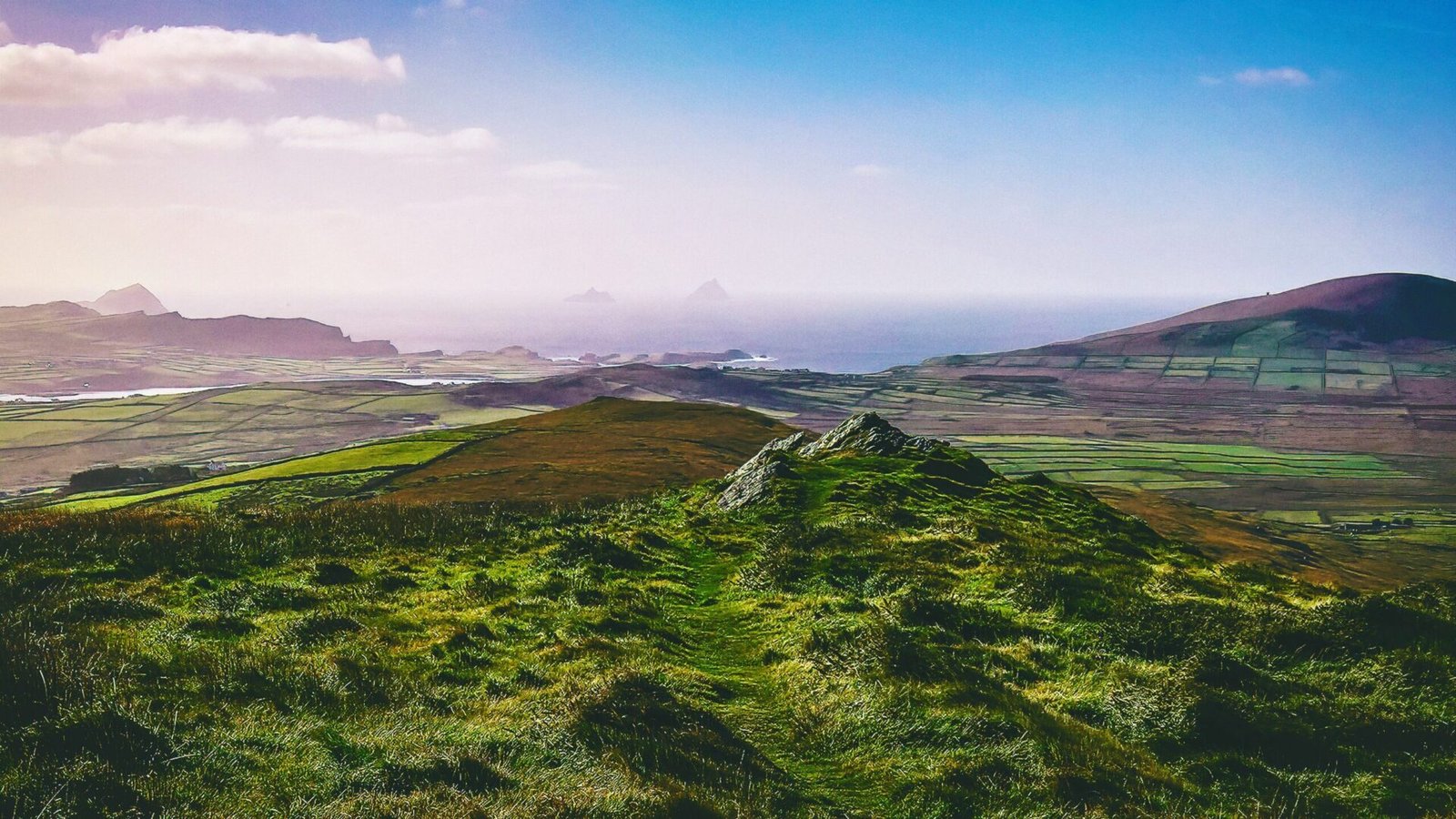
The myths and legends of the Celts are deeply intertwined with the Irish landscape, reflecting a worldview in which the natural and supernatural coexist. The Celts believed that the land was imbued with spiritual significance, and their myths often feature sacred sites, such as hills, rivers, and forests, as settings for epic tales.
One of the most famous cycles of Irish mythology is the Ulster Cycle, which includes the story of Cú Chulainn, a legendary hero whose exploits are set against the backdrop of the rugged Irish landscape. These stories not only entertain but also convey moral and cultural values, reinforcing the Celts’ connection to their environment.
The landscape itself is a living testament to Celtic culture, with ancient monuments and sites scattered across Ireland. These include the Hill of Tara, the traditional seat of the High Kings of Ireland, and Newgrange, a prehistoric passage tomb aligned with the winter solstice. Such sites are not only archaeological treasures but also symbols of the enduring legacy of the Celts.
Music and Oral Tradition: The Soul of the Celts
Music and oral tradition are integral to Celtic culture, serving as both entertainment and a means of preserving history and tradition. The Celts were known for their love of music, with instruments such as the harp, lyre, and bodhrán playing a central role in their musical traditions.
Bards and poets held a special place in Celtic society, responsible for composing and reciting tales of heroism, love, and the supernatural. These oral traditions were a vital means of passing down cultural knowledge and values, ensuring the continuity of Celtic identity across generations.
The haunting melodies and rhythms of Celtic music continue to resonate today, influencing a wide range of musical genres and captivating audiences worldwide. This enduring appeal is a testament to the timeless nature of Celtic culture and its ability to adapt and thrive in a changing world.
In exploring the language, art, social structure, and myths of the Celts, we gain a deeper understanding of their culture and its profound influence on the Irish landscape and identity. The Celts’ legacy is a rich tapestry of tradition and innovation, a testament to a people whose spirit continues to inspire and captivate.