Geographic Distribution in Europe: Key Sites and Their Cultural Significance
The prehistoric landscape of Europe is a tapestry woven with the threads of ancient cultures, myths, and monumental sites. Among these, Ireland stands out as a land where the echoes of the past resonate with particular clarity. The geographic distribution of key prehistoric sites across Europe not only highlights the interconnectedness of ancient societies but also underscores the cultural significance of these locations. This exploration delves into the geographic spread of these sites, their cultural implications, and the myths that continue to shape our understanding of the prehistoric European landscape.
The Megalithic Marvels
One cannot discuss prehistoric Europe without acknowledging the megalithic structures that dot the landscape. These stone monuments, ranging from dolmens and menhirs to passage tombs, are found across the continent, with a significant concentration in Ireland. The Boyne Valley, home to Newgrange, Knowth, and Dowth, is a prime example of this megalithic tradition. These sites, dating back to around 3200 BCE, predate Stonehenge and the Great Pyramids of Giza, highlighting Ireland’s central role in the prehistoric world.
The geographic distribution of these megaliths suggests a shared cultural heritage among the peoples of Atlantic Europe. The similarities in construction techniques and astronomical alignments indicate a network of communication and exchange that spanned vast distances. The alignment of Newgrange with the winter solstice sunrise, for instance, mirrors similar alignments found in other European sites, suggesting a shared cosmological understanding.
The Celtic Connection
The spread of Celtic culture across Europe is another testament to the continent’s interconnected prehistoric past. Originating in the central European Hallstatt culture around 800 BCE, the Celts expanded their influence across much of Europe, including Ireland. This expansion is evident in the geographic distribution of Celtic artifacts and settlements, which stretch from the Iberian Peninsula to the British Isles and beyond.
In Ireland, the Celts left an indelible mark on the landscape and culture. The Hill of Tara, for example, is a site of immense cultural significance, believed to be the seat of the High Kings of Ireland. Its geographic location and archaeological findings suggest it was a major center of power and ritual. The myths associated with Tara, including those of the Tuatha Dé Danann, highlight the site’s enduring cultural significance and its role as a bridge between the human and the divine.
Sacred Landscapes and Mythical Narratives
The geographic distribution of prehistoric sites in Europe is often intertwined with mythical narratives that imbue the landscape with sacred significance. In Ireland, the landscape is a living tapestry of myth and history, where every hill, river, and stone carries a story. The Giant’s Causeway, for instance, is a natural wonder steeped in legend. According to myth, it was built by the giant Fionn mac Cumhaill as a bridge to Scotland. This narrative not only highlights the cultural connections between Ireland and Scotland but also reflects the human tendency to explain natural phenomena through storytelling.
Similarly, the Burren in County Clare is a unique karst landscape that has inspired countless myths and legends. Its geographic features, such as the Poulnabrone dolmen, are not only archaeological treasures but also focal points of cultural memory. The myths associated with the Burren often speak of otherworldly beings and ancient heroes, reflecting the deep spiritual connection between the people and their land.
Trade Routes and Cultural Exchange
The geographic distribution of prehistoric sites also reveals the extensive trade networks and cultural exchanges that existed in ancient Europe. The discovery of exotic materials, such as Baltic amber and Mediterranean shells, in Irish archaeological sites suggests that Ireland was not an isolated island but a vibrant participant in a broader European network.
The Atlantic seaways served as conduits for the exchange of goods, ideas, and cultural practices. The presence of similar artifacts and architectural styles across geographically distant sites indicates a shared cultural horizon. This interconnectedness is further evidenced by the spread of the La Tène artistic style, which originated in the Alpine region and influenced Celtic art across Europe, including Ireland.
The Role of Geography in Cultural Development
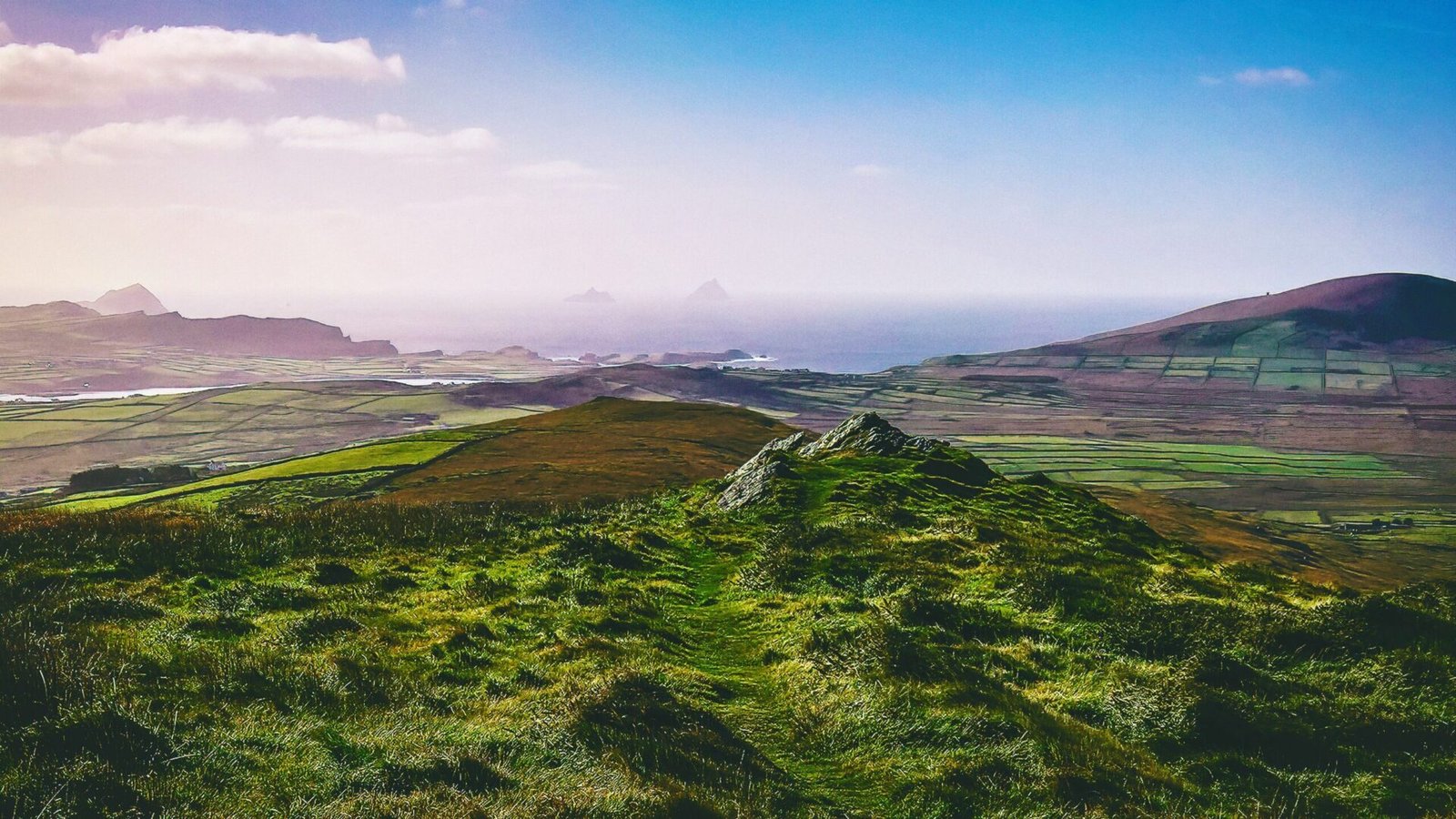
Geography has always played a crucial role in shaping human societies, and prehistoric Europe is no exception. The geographic distribution of key sites often reflects the strategic importance of certain locations, whether for defense, trade, or religious purposes. In Ireland, the Ring of Kerry and the Dingle Peninsula are examples of regions where geography and culture are inextricably linked. The rugged terrain and coastal access provided both challenges and opportunities for prehistoric communities, influencing their settlement patterns and cultural development.
The interplay between geography and culture is also evident in the distribution of hillforts across Europe. These fortified settlements, often located on elevated ground, served as centers of power and refuge. In Ireland, the hillfort at Navan Fort is a notable example, associated with the ancient kingdom of Ulster and the epic tales of the Ulster Cycle. The geographic location of these sites not only provided strategic advantages but also contributed to their cultural and mythical significance.
The Enduring Legacy of Prehistoric Europe
The geographic distribution of prehistoric sites in Europe is a testament to the continent’s rich cultural heritage and the enduring legacy of its ancient peoples. In Ireland, this legacy is particularly vibrant, with the landscape serving as a canvas for the myths and stories that continue to shape the nation’s identity. The interconnectedness of these sites, both within Ireland and across Europe, highlights the shared cultural heritage that transcends geographic boundaries.
As we explore the geographic distribution of key prehistoric sites, we are reminded of the profound connections between people, place, and myth. These connections not only enrich our understanding of the past but also inspire us to appreciate the cultural significance of the landscapes we inhabit today. The prehistoric sites of Europe, with their geographic diversity and cultural depth, offer a window into a world where the boundaries between myth and reality, the sacred and the mundane, were fluid and ever-changing.