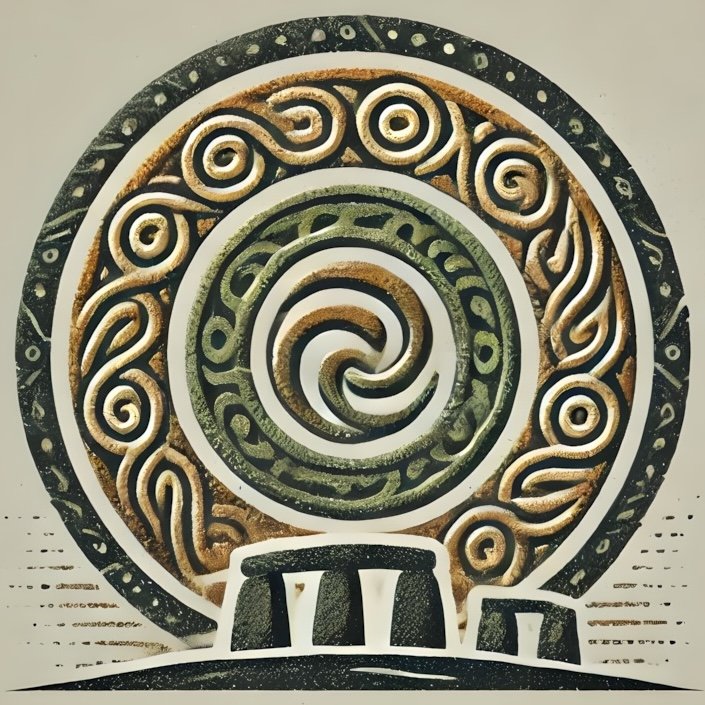

The La Tène Style in Ireland: Characteristics and Artistic Expression
The La Tène culture, flourishing from approximately 500 BC to the Roman conquest in the 1st century AD, represents a significant chapter in Irish prehistory. This vibrant period is marked by a distinctive artistic style that reflects the complex social and cultural dynamics of the time. The La Tène style is not just an aesthetic phenomenon; it is a window into the beliefs, practices, and values of the Celtic peoples who inhabited Ireland. This pillar page delves into the characteristics of the La Tène style, exploring its artistic features, motifs, symbolism, and the broader context of its cultural significance.
Artistic Features
The La Tène style is renowned for its intricate craftsmanship and the use of various materials, including metal, wood, and textiles. One of the most striking characteristics of La Tène art is its emphasis on curvilinear forms. Unlike the more rigid geometric patterns of earlier cultures, La Tène artisans embraced flowing lines and organic shapes, which often mimic the natural world. This fluidity is evident in the decoration of metalwork, particularly in items such as weapons, tools, and jewelry.
Metalwork
Metalwork from the La Tène period showcases exceptional skill and artistry. Gold, bronze, and iron were commonly used, with gold being reserved for the most prestigious items. The decorative elements often included intricate filigree, where fine wires of gold or silver were twisted and shaped into elaborate designs. This technique not only enhanced the visual appeal of the objects but also demonstrated the wealth and status of their owners.
Wood and Textile Art
While metalwork is the most celebrated aspect of La Tène artistry, wooden artifacts and textiles also played a vital role in the material culture of the time. Wooden objects, such as bowls and tools, were often adorned with carvings that echoed the motifs found in metalwork. Textiles, though less frequently preserved, were likely decorated with vibrant dyes and patterns, contributing to the overall aesthetic richness of La Tène society.
Motifs and Symbolism
The motifs employed in La Tène art are deeply symbolic, often reflecting the spiritual beliefs and natural surroundings of the Celtic people. Common themes include representations of animals, plants, and abstract designs. These motifs are not merely decorative; they convey cultural narratives and beliefs that resonate with the identity of the La Tène people.
Animal Imagery
Animals hold a prominent place in La Tène art, symbolizing various attributes and powers. For instance, the stag is often associated with strength and virility, while the bird may symbolize the soul or the divine. The use of animal motifs can be seen in a variety of artifacts, from weaponry to jewelry, suggesting a deep connection between the natural world and the spiritual realm. The stylization of these animals, often rendered in a way that emphasizes their dynamic forms, showcases the artistic innovation of the period.
Plant Motifs
Floral and vegetal motifs also feature prominently in La Tène art. These designs often incorporate spirals, tendrils, and other organic shapes that reflect the beauty of the natural landscape. The use of plant imagery may symbolize fertility, growth, and the cyclical nature of life, resonating with the agricultural practices of the time. The intertwining of these motifs with animal forms creates a sense of harmony between the human and natural worlds, emphasizing the interconnectedness of all living things.
Abstract Patterns
In addition to representational art, La Tène artisans employed abstract patterns that evoke a sense of movement and rhythm. These designs often include spirals, concentric circles, and interlacing forms, which can be interpreted as symbolic representations of time, eternity, and the cosmos. The abstract nature of these patterns allows for multiple interpretations, inviting viewers to engage with the artwork on a deeper level.
Cultural Context and Influence
The La Tène style did not exist in isolation; it was influenced by and contributed to a broader cultural milieu that spanned across Europe. The interactions between different Celtic tribes and neighboring cultures facilitated the exchange of artistic ideas and techniques. As a result, La Tène art exhibits a fusion of local traditions and external influences, creating a unique aesthetic that is distinctly Celtic.
Trade and Exchange
The La Tène period coincided with increased trade and contact between different regions, including Britain, continental Europe, and the Mediterranean. This exchange of goods and ideas enriched the artistic vocabulary of the La Tène culture, leading to the incorporation of new materials and techniques. For instance, the use of iron became more prevalent during this time, allowing for the production of stronger and more durable tools and weapons.
Mythology and Belief Systems
The La Tène style is also deeply intertwined with the mythology and belief systems of the Celtic peoples. Many artifacts, particularly those used in ritual contexts, are adorned with symbols that reflect the spiritual beliefs of the time. The connection between art and mythology is evident in the depiction of deities, supernatural beings, and mythological narratives, which served to reinforce cultural identity and communal values.
Key Sites and Artifacts
To fully appreciate the La Tène style, one must explore the archaeological sites and artifacts that embody its characteristics. Key sites, such as the Hill of Tara, the ancient capital of the Gaelic kings, and the impressive burial mounds at Newgrange, provide insight into the social and ritual practices of the La Tène culture. These locations are not only significant for their archaeological remains but also for their connections to Irish mythology and folklore.
The Hill of Tara
The Hill of Tara, a site steeped in mythology, is often regarded as a symbol of Irish heritage. It was believed to be the seat of the high kings of Ireland and is associated with numerous legends and tales. Artifacts discovered at Tara, including ceremonial weapons and decorative items, showcase the La Tène style’s artistic features and provide a tangible link to the past.
Newgrange
Newgrange, a prehistoric passage tomb, is another essential site for understanding the La Tène culture. The intricate carvings on the stones of Newgrange feature spirals, zigzags, and other motifs characteristic of La Tène art. This site, aligned with the winter solstice, reflects the importance of astronomical events in the spiritual life of the La Tène people.
In exploring the La Tène style in Ireland, we uncover a rich tapestry of artistic expression that transcends mere decoration. The characteristics of this style, from its artistic features to its symbolic motifs, reveal the complexity of a culture deeply connected to its environment and beliefs. The legacy of the La Tène style continues to resonate today, inviting us to engage with Ireland’s prehistoric past and its enduring myths.
Meta – Learn about the defining features of the La Tène style in Ireland, highlighting its artistic elements and cultural significance in the context of Irish prehistory.