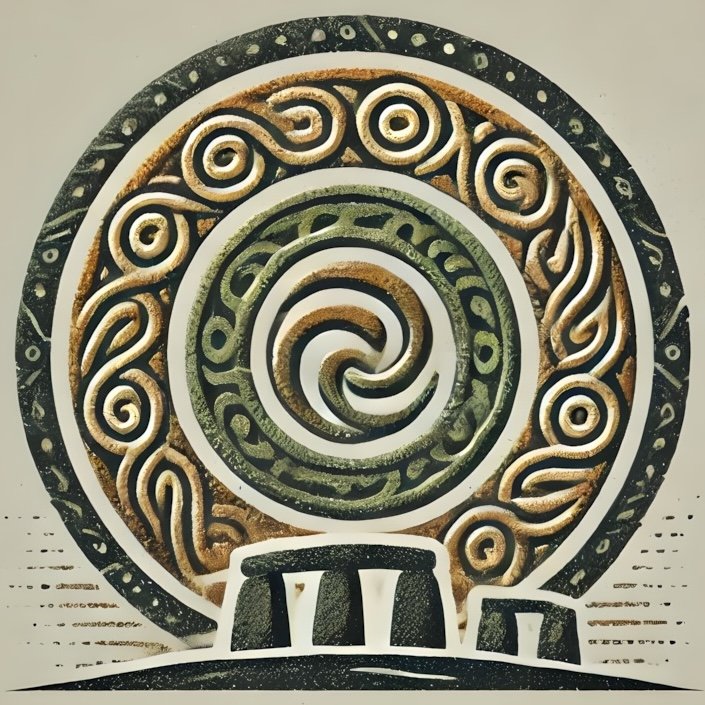

Artistic Features of the La Tène Style
The La Tène culture, flourishing from around 450 BCE to the Roman conquest, is a testament to the artistic prowess of the Celtic peoples. This era, named after the archaeological site of La Tène on Lake Neuchâtel in Switzerland, is renowned for its distinctive artistic style that permeated various aspects of life, from weaponry to pottery. In Ireland, the La Tène style is not only a reflection of artistic expression but also a window into the myths and landscapes that shaped prehistoric societies. This exploration delves into the artistic features of the La Tène style, focusing on metalwork, pottery, and other artistic expressions that reveal the cultural and spiritual ethos of the time.
Metalwork: Weapons, Tools, and Ornaments
Metalwork in the La Tène style is perhaps the most celebrated aspect of this artistic tradition. The Celts were master metalworkers, and their skill is evident in the intricate designs and craftsmanship of their weapons, tools, and ornaments. The La Tène style is characterized by its curvilinear patterns, spirals, and motifs inspired by nature, such as leaves and animals, which are often imbued with symbolic meanings.
Weapons: Swords, spears, and shields from this period are not merely functional objects but are also works of art. The hilts of swords often feature elaborate designs, with inlays of precious metals and stones. These weapons were not only tools of war but also symbols of status and power, often buried with their owners to accompany them into the afterlife. The craftsmanship of these weapons reflects the warrior ethos of the Celts, where the sword was an extension of the warrior’s identity.
Tools and Ornaments: Beyond weaponry, the La Tène metalwork includes a variety of tools and personal ornaments. Brooches, torcs, and bracelets are adorned with intricate patterns, showcasing the Celts’ love for decoration and their technical prowess. These items were not only personal adornments but also served as indicators of social status and identity. The torc, a rigid neck ring, is particularly significant, often associated with nobility and divine protection.
Pottery and Ceramics
While metalwork often takes center stage, the pottery and ceramics of the La Tène culture are equally significant in understanding the artistic features of this period. La Tène pottery is characterized by its functional yet aesthetically pleasing designs. The pottery often features geometric patterns and motifs similar to those found in metalwork, indicating a cohesive artistic language across different mediums.
Functional Art: Pottery in the La Tène style was primarily utilitarian, used for storage, cooking, and serving food. However, the aesthetic considerations in their design suggest that beauty and function were intertwined. The vessels often feature symmetrical shapes and are decorated with incised or painted patterns, reflecting the same artistic motifs found in metalwork.
Symbolism and Ritual: Some pottery pieces are believed to have had ritualistic purposes, used in ceremonies or as offerings. The designs on these ceramics often carry symbolic meanings, possibly related to Celtic mythology and religious beliefs. The presence of animal motifs and abstract patterns may represent deities or natural forces, highlighting the spiritual connection between the Celts and their environment.
Other Artistic Expressions
The La Tène style is not limited to metalwork and pottery; it extends to other artistic expressions that further illustrate the cultural richness of the period. These include textiles, stone carvings, and woodwork, each contributing to the tapestry of La Tène art.
Textiles: Although few textile remnants survive, the evidence suggests that the Celts were skilled weavers and dyers. The patterns found in textiles likely mirrored those in other art forms, with vibrant colors and intricate designs. Clothing was not only practical but also a means of expressing identity and status, with certain patterns and colors possibly denoting tribal affiliations or social rank.
Stone Carvings: Stone monuments and carvings from the La Tène period provide insight into the symbolic and religious life of the Celts. These carvings often depict human figures, animals, and abstract patterns, serving as markers of sacred spaces or commemorations of significant events. The artistry in these carvings reflects a deep connection to the landscape, with many sites aligned with natural features or celestial events.
Woodwork: Wood, being a readily available material, was used extensively for both practical and artistic purposes. Wooden objects, from everyday tools to ceremonial items, were often decorated with the same motifs found in metal and stone. The transience of wood means that much of this art has been lost to time, but archaeological finds suggest a high level of craftsmanship and artistic expression.
The Interplay of Art, Myth, and Landscape
The artistic features of the La Tène style are deeply intertwined with the myths and landscapes of prehistoric Ireland. The motifs and symbols found in La Tène art often reflect the natural world and the spiritual beliefs of the Celts. The spirals and curvilinear patterns, for example, may symbolize the cyclical nature of life and the interconnectedness of all things.
The landscape itself played a crucial role in shaping the artistic expressions of the La Tène culture. Sacred sites, such as hillforts and lakes, were often adorned with art that reflected their spiritual significance. These sites served as focal points for community gatherings, rituals, and storytelling, where art and myth converged to reinforce cultural identity and continuity.
In conclusion, the artistic features of the La Tène style offer a rich tapestry of cultural expression, reflecting the values, beliefs, and aesthetics of the Celtic peoples. Through their metalwork, pottery, and other artistic endeavors, the Celts left a legacy that continues to captivate and inspire, providing a window into a world where art, myth, and landscape were inextricably linked.