Motifs and Symbolism in the La Tène Style
The La Tène style, a hallmark of Celtic art from the Iron Age, is a tapestry woven with intricate motifs and rich symbolism. This artistic tradition, flourishing from around 500 BCE to the Roman conquest, is not just a visual delight but a window into the spiritual and cultural life of the Celts. In Ireland, the La Tène style is particularly significant, as it intertwines with the island’s prehistoric narratives, myths, and landscapes. This exploration delves into the motifs and symbolism of the La Tène style, focusing on geometric patterns, animal imagery, human figures, and mythological themes.
Geometric Patterns
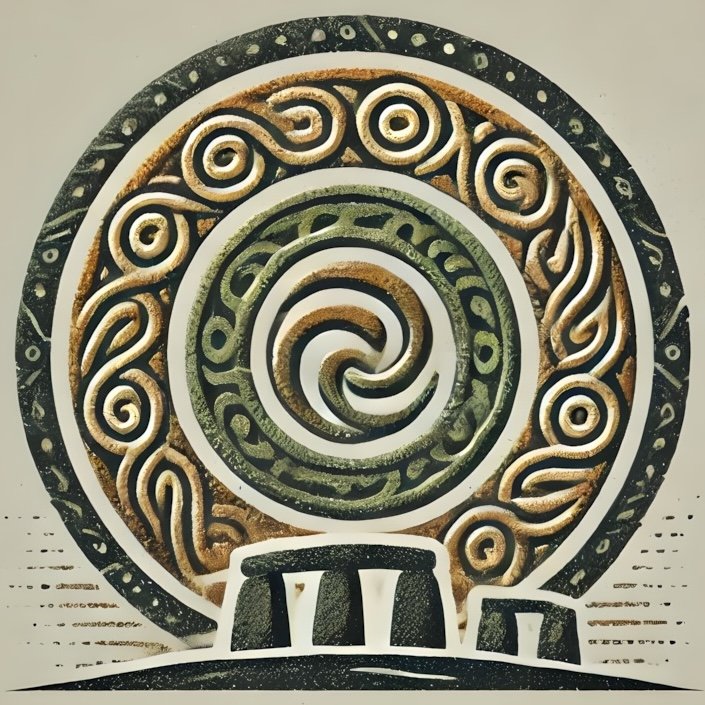
Geometric patterns are the backbone of the La Tène style, characterized by spirals, triskeles, and interlacing designs. These motifs are not mere decorative elements; they carry profound symbolic meanings. Spirals, for instance, are ubiquitous in La Tène art and are often interpreted as symbols of life, death, and rebirth. This cyclical nature resonates with the Celtic understanding of time and existence, where life is seen as a continuous journey rather than a linear path.
The triskele, a motif consisting of three interlocked spirals, is another prevalent geometric pattern. It is thought to represent the tripartite nature of the world: land, sea, and sky, or alternatively, the three realms of existence: physical, spiritual, and celestial. The number three holds significant power in Celtic mythology, often associated with deities and sacred triads, thus reinforcing the triskele’s symbolic weight.
Interlacing patterns, with their endless loops and knots, symbolize eternity and the interconnectedness of life. These designs are not only aesthetically pleasing but also serve as a metaphor for the complex web of relationships between humans, nature, and the divine. The use of geometric patterns in La Tène art reflects a deep appreciation for harmony and balance, mirroring the Celts’ reverence for the natural world and its cycles.
Animal Imagery
Animal imagery in the La Tène style is both abundant and varied, depicting creatures that are both real and mythical. Animals were revered in Celtic culture, often seen as messengers or manifestations of the divine. The depiction of animals in art served as a bridge between the human and spiritual realms, imbuing objects with protective and magical properties.
The boar, for example, is a common motif in La Tène art, symbolizing strength, courage, and fertility. It was a sacred animal associated with warriors and was believed to possess the power to ward off evil. The boar’s presence in art and mythology underscores its importance in Celtic society as a symbol of protection and prosperity.
Birds, particularly ravens and eagles, also feature prominently in La Tène motifs. Ravens, often linked to the Morrígan, a goddess of war and fate, symbolize prophecy and transformation. Eagles, on the other hand, are associated with the sun and sky, representing vision and spiritual enlightenment. The depiction of these birds in art highlights the Celts’ belief in the interconnectedness of the natural and supernatural worlds.
Mythical creatures, such as the serpent or dragon, are also integral to La Tène symbolism. Serpents, with their ability to shed their skin, symbolize renewal and transformation. They are often depicted in a stylized, abstract form, intertwining with other motifs to create a sense of movement and dynamism. These creatures embody the Celts’ fascination with the mysteries of life and the unseen forces that govern the universe.
Human Figures and Mythological Themes
Human figures in La Tène art are less common than geometric or animal motifs, but when they do appear, they are imbued with significant meaning. These figures often represent deities, heroes, or ancestors, serving as conduits for mythological narratives and cultural values.
The depiction of human figures is typically stylized, with an emphasis on symmetry and abstraction. This approach reflects the Celts’ focus on the spiritual essence rather than the physical form. Human figures are often shown in dynamic poses, suggesting movement and vitality, which aligns with the Celtic belief in the active and ever-changing nature of the universe.
Mythological themes are woven throughout La Tène art, drawing on a rich tapestry of stories and legends. These themes often revolve around the cycles of nature, the hero’s journey, and the interplay between the mortal and divine realms. The art serves as a visual narrative, capturing the essence of Celtic mythology and its connection to the landscape.
One prominent mythological theme is the concept of the Otherworld, a parallel realm inhabited by gods and supernatural beings. This theme is often depicted through motifs that suggest portals or thresholds, such as doorways, arches, or spirals. The Otherworld is not a distant or separate place but is intricately linked to the physical world, accessible through sacred sites and moments of transformation.
The Landscape Connection
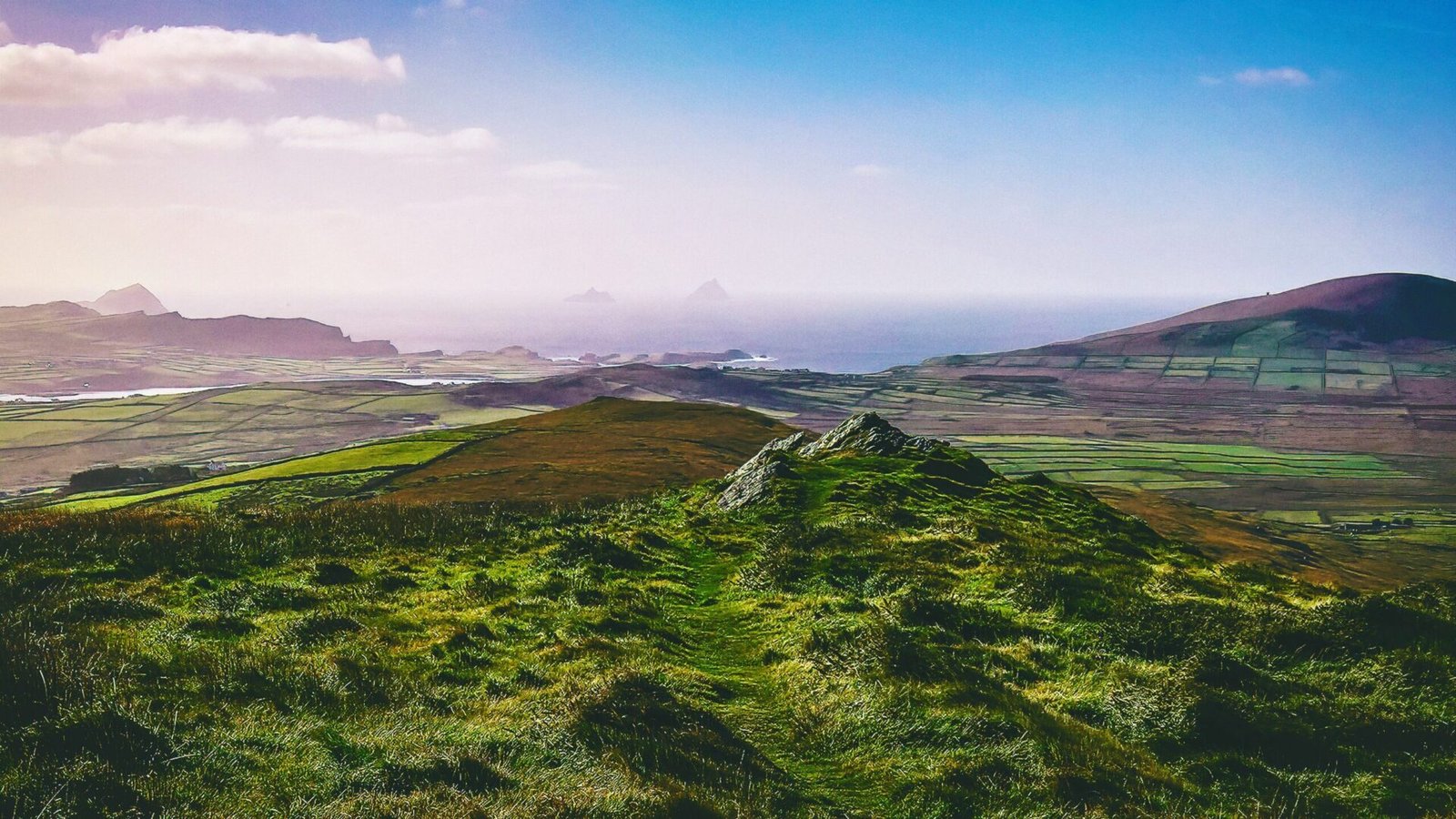
The La Tène style is deeply connected to the Irish landscape, with its motifs and symbolism reflecting the natural environment and its spiritual significance. The art is often found on objects associated with sacred sites, such as burial mounds, stone circles, and water sources. These locations were considered liminal spaces, where the veil between worlds was thin, and the presence of the divine was palpable.
The motifs in La Tène art mirror the landscape’s features, with spirals echoing the swirling waters of rivers and lakes, and interlacing patterns reflecting the intricate roots and branches of ancient forests. The art serves as a testament to the Celts’ profound connection to their surroundings and their belief in the land as a living, breathing entity.
In conclusion, the motifs and symbolism of the La Tène style offer a glimpse into the spiritual and cultural life of the Celts. Through geometric patterns, animal imagery, human figures, and mythological themes, this art form captures the essence of a people who saw the world as a tapestry of interconnected forces and cycles. The La Tène style is not just an artistic expression but a reflection of a worldview that continues to resonate in the myths and landscapes of Ireland today.