Connections to Mythological Figures and Stories
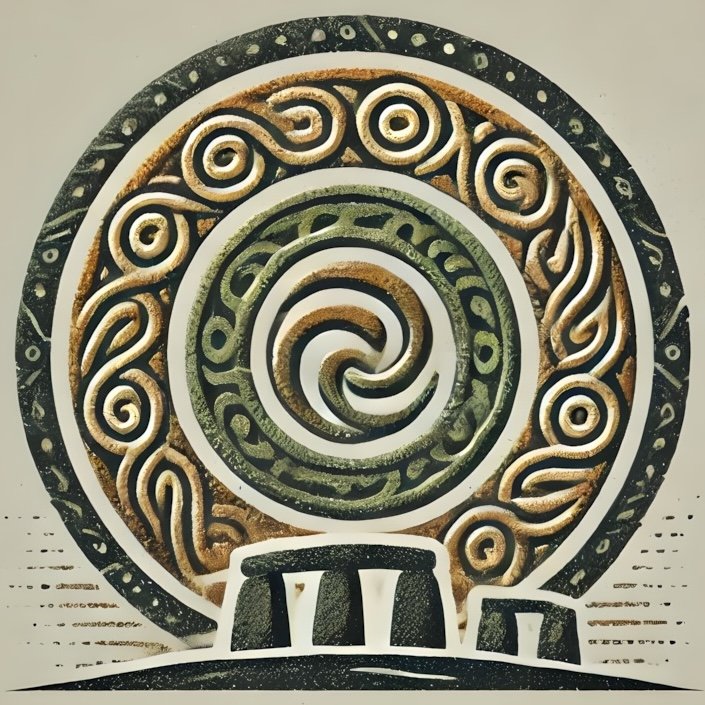
The rich tapestry of Irish mythology is interwoven with the intricate designs and motifs of the La Tène style, a hallmark of Celtic art that flourished in Europe from the 5th to the 1st century BCE. This style, characterized by its swirling patterns and complex symbolism, finds echoes in the mythological narratives of ancient Ireland, where the landscape itself becomes a canvas for stories of gods, heroes, and legendary creatures. The La Tène style not only influenced the visual arts but also left an indelible mark on the mythological imagination of the Irish people, creating a profound connection between art, myth, and the natural world.
The La Tène Style: A Brief Overview
The La Tène style, named after an archaeological site in Switzerland, is renowned for its curvilinear designs, intricate metalwork, and symbolic motifs. This artistic tradition spread across Europe, reaching the British Isles and Ireland, where it merged with local artistic expressions. The style is often associated with the Celts, a diverse group of tribal societies in Iron Age Europe, known for their skilled craftsmanship and vibrant culture.
In Ireland, the La Tène style is evident in a variety of artifacts, including jewelry, weapons, and stone carvings. These objects not only served practical purposes but also held symbolic significance, often linked to the spiritual beliefs and mythological narratives of the time. The swirling patterns and abstract forms of La Tène art can be seen as visual representations of the fluid and dynamic nature of the myths themselves, where boundaries between the natural and supernatural are often blurred.
Mythological Figures and Their La Tène Connections
One of the most intriguing aspects of Irish mythology is its pantheon of gods and goddesses, many of whom are associated with specific aspects of the natural world. The La Tène style, with its emphasis on nature-inspired motifs, provides a visual language through which these deities can be understood and appreciated.
For instance, the goddess Brigid, associated with fire, poetry, and healing, is often linked to the sun and its life-giving energy. The spirals and sunburst patterns common in La Tène art can be seen as symbolic representations of Brigid’s radiant power. Similarly, the god Lugh, known for his skill and mastery in various arts, is often depicted with motifs that suggest movement and transformation, reflecting his role as a deity of innovation and change.
The Morrígan, a complex figure associated with war, fate, and sovereignty, is another example of a mythological figure whose attributes resonate with La Tène symbolism. The raven, a bird often linked to the Morrígan, appears in La Tène art as a motif of death and transformation, underscoring her role as a goddess of both destruction and renewal.
Mythological Stories and Their Artistic Echoes
Irish mythology is replete with stories that echo the themes and motifs of La Tène art. The epic tales of the Ulster Cycle, for example, are filled with heroic deeds, tragic fates, and supernatural encounters, all of which are reflected in the dynamic and often dramatic designs of La Tène artifacts.
The story of Cú Chulainn, the legendary hero of the Ulster Cycle, is a prime example. His exploits, marked by feats of strength and moments of intense transformation, are mirrored in the bold and energetic patterns of La Tène art. The swirling designs can be seen as visual metaphors for the hero’s inner turmoil and the chaotic nature of the battles he fights.
Similarly, the tales of the Tuatha Dé Danann, a race of god-like beings who inhabit the Otherworld, are rich with imagery that finds expression in La Tène motifs. The Otherworld itself, a realm of beauty and danger, is often depicted in myth as a place of intricate landscapes and shifting forms, much like the complex and interwoven patterns of La Tène design.
The Landscape as a Mythological Canvas
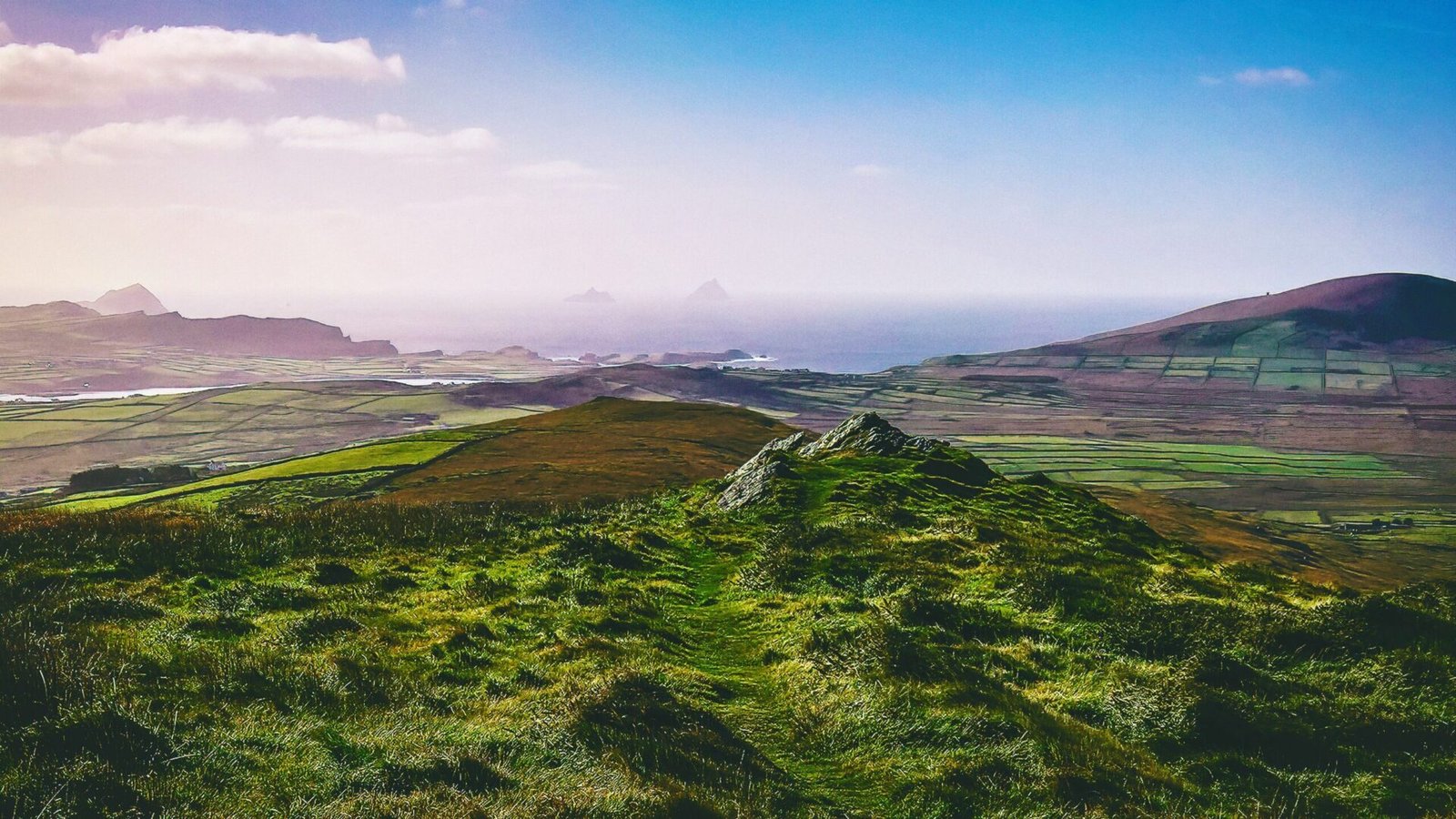
The Irish landscape, with its rolling hills, ancient forests, and mysterious stone circles, serves as both a backdrop and a participant in the mythological narratives of the past. The La Tène style, with its organic forms and nature-inspired motifs, reflects the deep connection between the land and the stories that arise from it.
Sacred sites such as Newgrange, Tara, and the Hill of Uisneach are imbued with mythological significance, serving as portals to the Otherworld and as stages for the enactment of legendary events. The art and architecture of these sites often incorporate La Tène elements, suggesting a continuity between the physical landscape and the mythological imagination.
The intertwining of art, myth, and landscape is perhaps best exemplified by the concept of the “sídhe,” or fairy mounds, which are believed to be the dwelling places of the Tuatha Dé Danann. These mounds, often adorned with La Tène-style carvings, serve as reminders of the ever-present influence of the Otherworld and its inhabitants on the mortal realm.
The Enduring Legacy of La Tène and Mythology
The connections between La Tène art and Irish mythology are not merely historical curiosities but continue to inspire contemporary artists and storytellers. The enduring appeal of these ancient motifs and narratives lies in their ability to speak to universal themes of transformation, identity, and the interplay between the human and the divine.
In modern Ireland, the legacy of La Tène and its mythological connections can be seen in everything from jewelry design to literature, where the ancient symbols and stories are reimagined for new audiences. This ongoing dialogue between past and present ensures that the rich heritage of Irish mythology and its artistic expressions remain vibrant and relevant.
As we explore the connections between La Tène style and Irish mythology, we are reminded of the power of art and story to transcend time and place, weaving together the threads of history, culture, and imagination into a tapestry that continues to captivate and inspire.