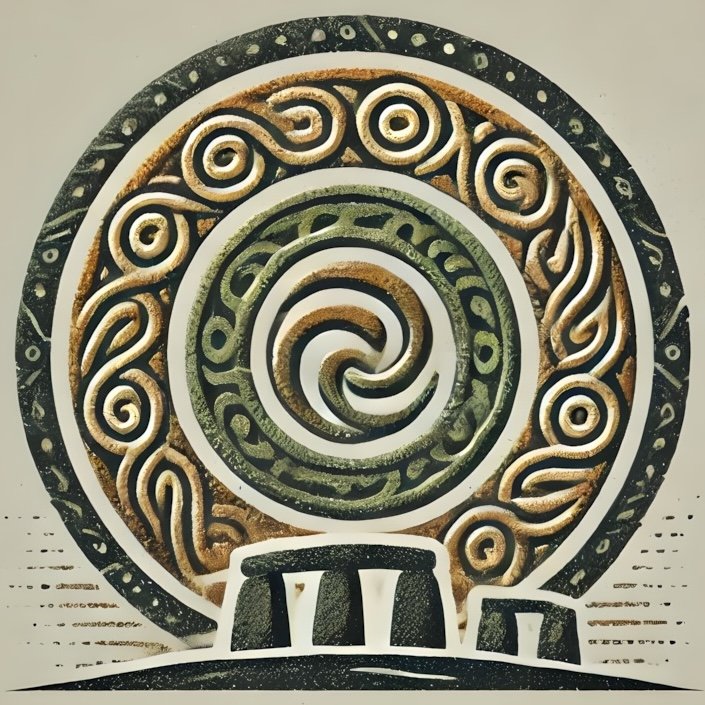

The La Tène Style in Modern Irish Identity
The La Tène style, a distinctive artistic and cultural expression of the European Iron Age, has left an indelible mark on the landscape of modern Irish identity. This style, characterized by its intricate patterns, swirling motifs, and symbolic representations, originated around 500 BCE in what is now Switzerland and spread across Europe, reaching the shores of Ireland. Today, the La Tène style is more than just an archaeological curiosity; it is a vibrant thread woven into the fabric of Irish cultural identity, influencing everything from art and design to national symbolism and personal expression.
Historical Context and Arrival in Ireland
The La Tène style emerged as a successor to the Hallstatt culture, flourishing in a period marked by increased trade and cultural exchange across Europe. Its arrival in Ireland is attributed to the movement of Celtic tribes and the subsequent integration of their artistic traditions with local customs. The style is most prominently seen in metalwork, stone carvings, and pottery, with artifacts such as the Turoe Stone and the Broighter Hoard exemplifying its intricate designs.
In Ireland, the La Tène style was not merely an import but a catalyst for a unique cultural synthesis. The Irish adaptation of La Tène motifs often incorporated native elements, creating a distinct aesthetic that resonated with the island’s mythological and spiritual landscape. This fusion is evident in the elaborate knotwork and spirals that have become synonymous with Celtic art.
Influence on Modern Irish Art and Design
The resurgence of interest in Celtic art during the late 19th and early 20th centuries, particularly through the Celtic Revival movement, brought the La Tène style back into the spotlight. Artists and designers sought to reclaim and reinterpret these ancient motifs as symbols of national identity and pride. This period saw the incorporation of La Tène designs into everything from jewelry and textiles to architecture and public monuments.
Today, the influence of the La Tène style is pervasive in Irish art and design. Contemporary artists draw inspiration from its fluid lines and complex patterns, using them to explore themes of identity, heritage, and continuity. The style’s adaptability allows it to be both a nod to the past and a canvas for modern expression, bridging the gap between ancient tradition and contemporary creativity.
Symbolism and National Identity
The La Tène style’s symbolic richness makes it a powerful tool for expressing national identity. Its motifs are often imbued with meanings that resonate with Irish cultural narratives, such as the interconnectedness of life, the cyclical nature of time, and the spiritual connection to the land. These themes are deeply embedded in Irish mythology and folklore, providing a cultural continuity that links the present with the past.
The use of La Tène motifs in national symbols, such as the harp and the shamrock, underscores their role in shaping a collective identity. These symbols, while rooted in ancient tradition, have been reimagined to reflect contemporary values and aspirations. The La Tène style thus serves as a visual language that communicates both historical depth and modern relevance.
Personal Expression and Cultural Heritage
For many individuals, the La Tène style is a means of personal expression and a connection to cultural heritage. Tattoos, jewelry, and clothing featuring La Tène designs are popular ways for people to celebrate their Irish roots and express their identity. These personal adornments are not merely decorative; they are statements of belonging and pride, linking the wearer to a rich tapestry of history and tradition.
The popularity of La Tène-inspired designs in personal expression reflects a broader trend of cultural reclamation and revival. As people seek to reconnect with their heritage in an increasingly globalized world, the La Tène style offers a tangible link to the past, allowing individuals to assert their identity in a way that is both meaningful and authentic.
The La Tène Style in the Irish Landscape
The influence of the La Tène style extends beyond art and personal expression to the very landscape of Ireland. Many ancient sites, such as Newgrange and the Hill of Tara, are adorned with La Tène motifs, serving as reminders of the island’s rich cultural heritage. These sites are not only archaeological treasures but also living symbols of Ireland’s enduring connection to its past.
The integration of La Tène designs into the landscape is a testament to their lasting significance. They are a visual representation of the stories and myths that have shaped Ireland’s cultural identity, serving as a bridge between the physical and the spiritual, the past and the present. As such, they play a crucial role in the ongoing dialogue between history and modernity, tradition and innovation.
Educational and Cultural Initiatives
Efforts to preserve and promote the La Tène style are evident in various educational and cultural initiatives across Ireland. Museums, cultural centers, and educational programs highlight the significance of La Tène art, offering workshops and exhibitions that engage the public with this rich cultural heritage. These initiatives not only preserve the past but also inspire future generations to explore and reinterpret their cultural identity.
The La Tène style’s inclusion in educational curricula underscores its importance as a cultural touchstone. By studying its history and significance, students gain a deeper understanding of their heritage and the ways in which it continues to shape their identity. This educational focus ensures that the La Tène style remains a vibrant and relevant part of Irish culture.
Conclusion
The La Tène style is more than an artistic tradition; it is a living legacy that continues to shape modern Irish identity. Its influence is felt in art, design, national symbolism, personal expression, and the landscape itself. As Ireland navigates the complexities of modernity, the La Tène style offers a timeless connection to the past, a source of inspiration and pride that enriches the cultural tapestry of the nation. Through its enduring presence, the La Tène style reminds us of the power of art to transcend time and connect us to our roots, our myths, and our landscape.