Chieftaincy in Prehistoric Contexts
Introduction to Chieftaincy
The concept of chieftaincy has long been a focal point in the study of prehistoric societies, particularly in the context of Ireland and its rich tapestry of myths and landscapes. In these early communities, leadership structures were not merely functional; they were deeply intertwined with the cultural, spiritual, and environmental contexts of the people. The term “chieftaincy” generally refers to the role and authority of a chief, a leader who often held sway over a specific territory or group of people. However, in prehistoric contexts, this definition expands to encompass a range of social, political, and economic functions that were essential for the survival and cohesion of early communities.
The Role of Chieftains in Prehistoric Societies
Chieftains in prehistoric Ireland were not simply rulers; they were custodians of tradition, mediators of conflict, and often spiritual leaders. Their authority was derived from a combination of lineage, charisma, and the ability to forge alliances. In many cases, chieftains were seen as intermediaries between the divine and the earthly realms, a role that was crucial in a society steeped in myth and spirituality.
Lineage and Legitimacy
In prehistoric Ireland, lineage played a vital role in establishing a chieftain’s legitimacy. The importance of ancestry is evident in many Irish myths, where heroes and leaders are often depicted as descendants of gods or legendary figures. This connection to a divine or heroic lineage not only legitimized a chieftain’s authority but also reinforced their role as protectors of the land and its people. The belief that a chieftain was chosen by the gods or had a divine right to lead imbued their authority with a sense of sacredness.
Economic and Political Functions
Chieftains were also central to the economic and political structures of their communities. They were responsible for the distribution of resources, the management of trade, and the organization of labor. In a society where agriculture was the primary means of sustenance, the ability to manage land and resources effectively was crucial. Chieftains often oversaw communal farming efforts, ensuring that crops were planted and harvested in a timely manner. This not only reinforced their authority but also fostered a sense of community and shared responsibility among the people.
In terms of political functions, chieftains were often involved in negotiations and conflict resolution. They acted as mediators between different clans or tribes, helping to maintain peace and stability within their territories. The ability to navigate these complex social dynamics required a combination of diplomacy, strength, and wisdom, traits that were highly valued in a chieftain.
Chieftaincy and Spirituality
The intertwining of chieftaincy and spirituality is a defining characteristic of prehistoric Irish society. The landscape itself was imbued with mythological significance, and chieftains were often seen as guardians of these sacred spaces. Many ancient sites, such as burial mounds, standing stones, and hill forts, were associated with chieftains and their lineage. These locations served as both political and spiritual centers, reinforcing the chieftain’s role as a mediator between the earthly and the divine.
Rituals and Ceremonies
Rituals and ceremonies played a crucial role in affirming a chieftain’s authority and connection to the divine. These events often involved offerings to the gods, sacrifices, and communal feasting, all of which served to strengthen the bonds between the chieftain, their people, and the spiritual realm. The act of performing rituals was not only a way to seek favor from the gods but also a means of reinforcing social cohesion and collective identity.
In many myths, the chieftain’s power was linked to their ability to perform these rituals effectively. A chieftain who failed to uphold their spiritual duties risked losing their authority and the support of their people. This connection between leadership and spirituality underscores the complexity of chieftaincy in prehistoric contexts, where the sacred and the mundane were inseparable.
The Landscape as a Canvas for Chieftaincy
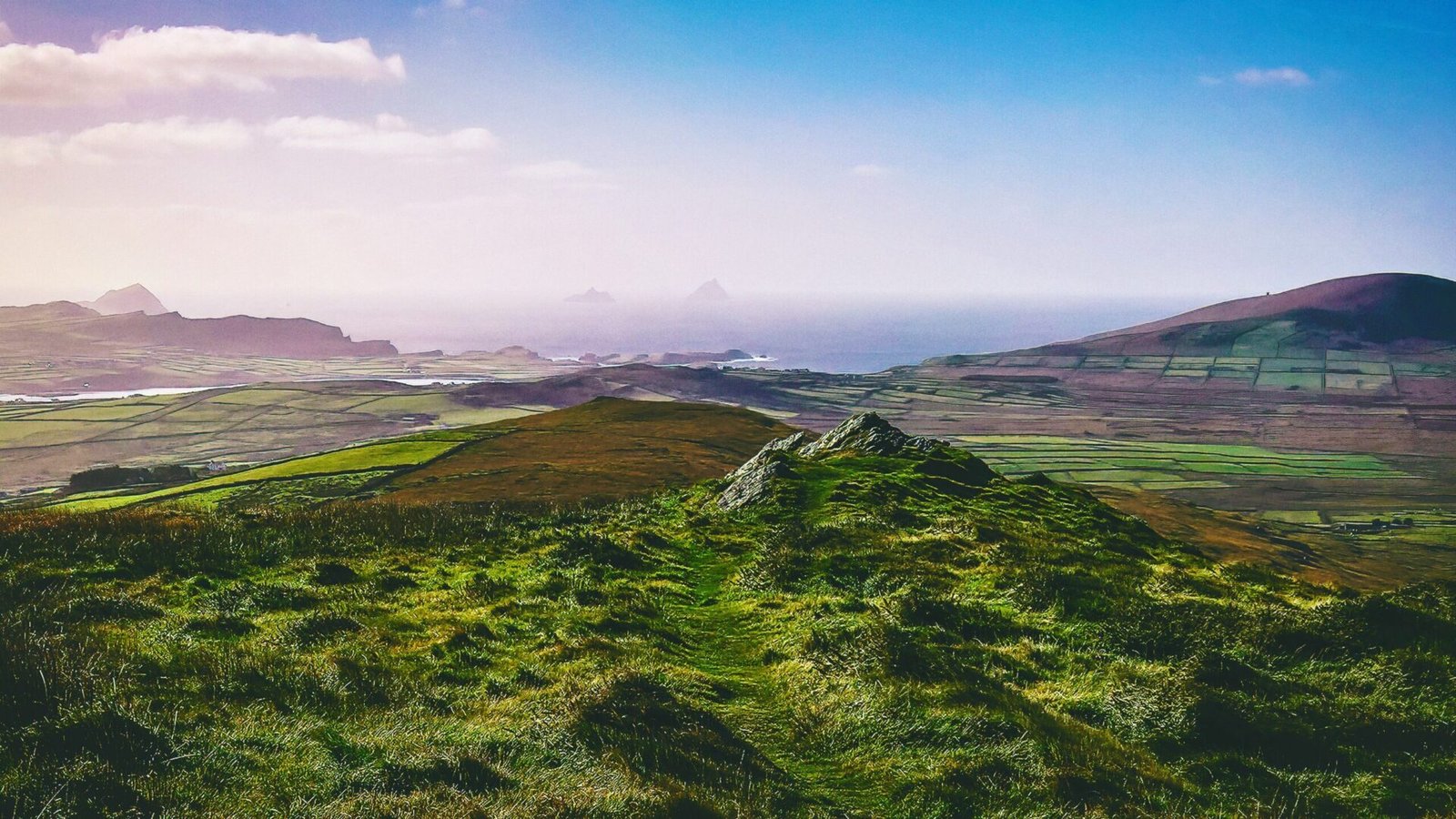
The physical landscape of Ireland played a significant role in shaping the concept of chieftaincy. The geography, with its mountains, rivers, and ancient sites, influenced the way communities organized themselves and interacted with their environment. Chieftains often established their authority in relation to these landscapes, using natural features as markers of territory and power.
Sacred Sites and Power Structures
Many prehistoric sites in Ireland, such as the Hill of Tara or Newgrange, are steeped in myth and legend, serving as focal points for chieftains and their communities. These sites were not only places of worship but also symbols of political power. The alignment of these structures with celestial events, such as solstices, further emphasizes the connection between chieftaincy, spirituality, and the landscape.
Chieftains often claimed their authority through their association with these sacred sites. By performing rituals and ceremonies at these locations, they reinforced their legitimacy and connection to the land. The landscape itself became a canvas upon which the stories of chieftains were painted, intertwining their narratives with the myths of the land.
Chieftaincy and Warfare
Warfare was an inevitable aspect of prehistoric life, and chieftains played a crucial role in leading their communities in times of conflict. The ability to defend one’s territory and resources was paramount, and chieftains were expected to be skilled warriors and strategic leaders. The myths surrounding legendary figures often highlight their prowess in battle, reinforcing the idea that a successful chieftain was one who could protect and expand their domain.
Alliances and Rivalries
The dynamics of warfare also influenced the relationships between chieftains. Alliances were often formed to strengthen defenses against common enemies, while rivalries could lead to conflict and competition for resources. The ability to navigate these complex relationships was a key aspect of a chieftain’s role, requiring both diplomatic skills and military acumen.
In many cases, the outcomes of these conflicts were seen as reflections of the chieftain’s legitimacy and favor with the gods. Victories in battle were celebrated, while defeats could lead to a loss of authority and support from the community. This connection between warfare, leadership, and spirituality further underscores the multifaceted nature of chieftaincy in prehistoric contexts.
Conclusion
The definition of chieftaincy in prehistoric contexts is a complex interplay of lineage, spirituality, economic management, and the physical landscape. Chieftains were not merely leaders; they were integral to the social fabric of their communities, embodying the values, beliefs, and aspirations of their people. Through their roles as mediators, warriors, and custodians of tradition, chieftains shaped the course of Irish prehistory, leaving a legacy that continues to resonate in the myths and landscapes of Ireland today.