The Warrior Ethos in Irish Culture
Introduction
The warrior ethos in Irish culture is a multifaceted concept that intertwines history, mythology, and the very landscape of Ireland itself. Warriors were not merely soldiers; they were the embodiment of societal values, ideals, and the spirit of the land. This pillar page delves into the role of warriors in Irish society, exploring their historical significance, the mythological narratives that surround them, and how these elements are reflected in the Irish landscape.
The Historical Context of Warriors in Ireland
In ancient Ireland, the warrior class played a pivotal role in the social hierarchy. The Gaelic nobility, known as the Fianna, comprised elite warriors who were bound by a code of honor and loyalty. These warriors were not just fighters; they were protectors of their clans and custodians of their cultural heritage. Their existence was marked by a deep connection to the land, as they traversed the hills, valleys, and rivers that defined their territories.
The historical accounts of warriors in Ireland can be traced back to the early medieval period, where they were often depicted in the annals of the Annals of the Four Masters and The Book of Invasions. These texts reveal a society where warfare was a means of asserting power, settling disputes, and gaining prestige. The warrior ethos was characterized by bravery, loyalty, and a profound sense of justice, which were not just personal virtues but societal expectations.
The Fianna and Their Code of Honor
The Fianna were legendary figures in Irish history, immortalized in tales such as the Táin Bó Cúailnge and the stories of the hero Fionn mac Cumhaill. This band of warriors was known for their exceptional skills in combat, hunting, and poetry, reflecting the dual nature of the warrior as both a fighter and a custodian of culture. Their code of honor, known as Aisling, emphasized values such as loyalty, bravery, and respect for the land and its people.
The Fianna were often depicted as roaming the countryside, living off the land while protecting it from invaders. Their connection to nature was profound; they understood the rhythms of the seasons and the significance of the landscape in their daily lives. This relationship with the land is a recurring theme in Irish mythology, where the landscape itself is often personified and imbued with spiritual significance.
Mythological Warriors: Heroes and Legends
Irish mythology is rich with tales of warriors who embody the ethos of bravery and honor. Figures like Cú Chulainn, the legendary hero of the Táin Bó Cúailnge, exemplify the warrior spirit. Cú Chulainn is renowned for his superhuman strength, martial prowess, and unwavering loyalty to his people. His story is a tapestry of valor, sacrifice, and the tragic consequences of war.
The narratives surrounding these mythological warriors often serve as moral lessons, illustrating the virtues and vices of human nature. The tales of their exploits are not just stories of battle; they reflect the complexities of loyalty, honor, and the consequences of pride. The warrior ethos in these myths is not static; it evolves as the characters face moral dilemmas and personal challenges, mirroring the struggles of the society that birthed them.
The Landscape as a Canvas for Warrior Legends
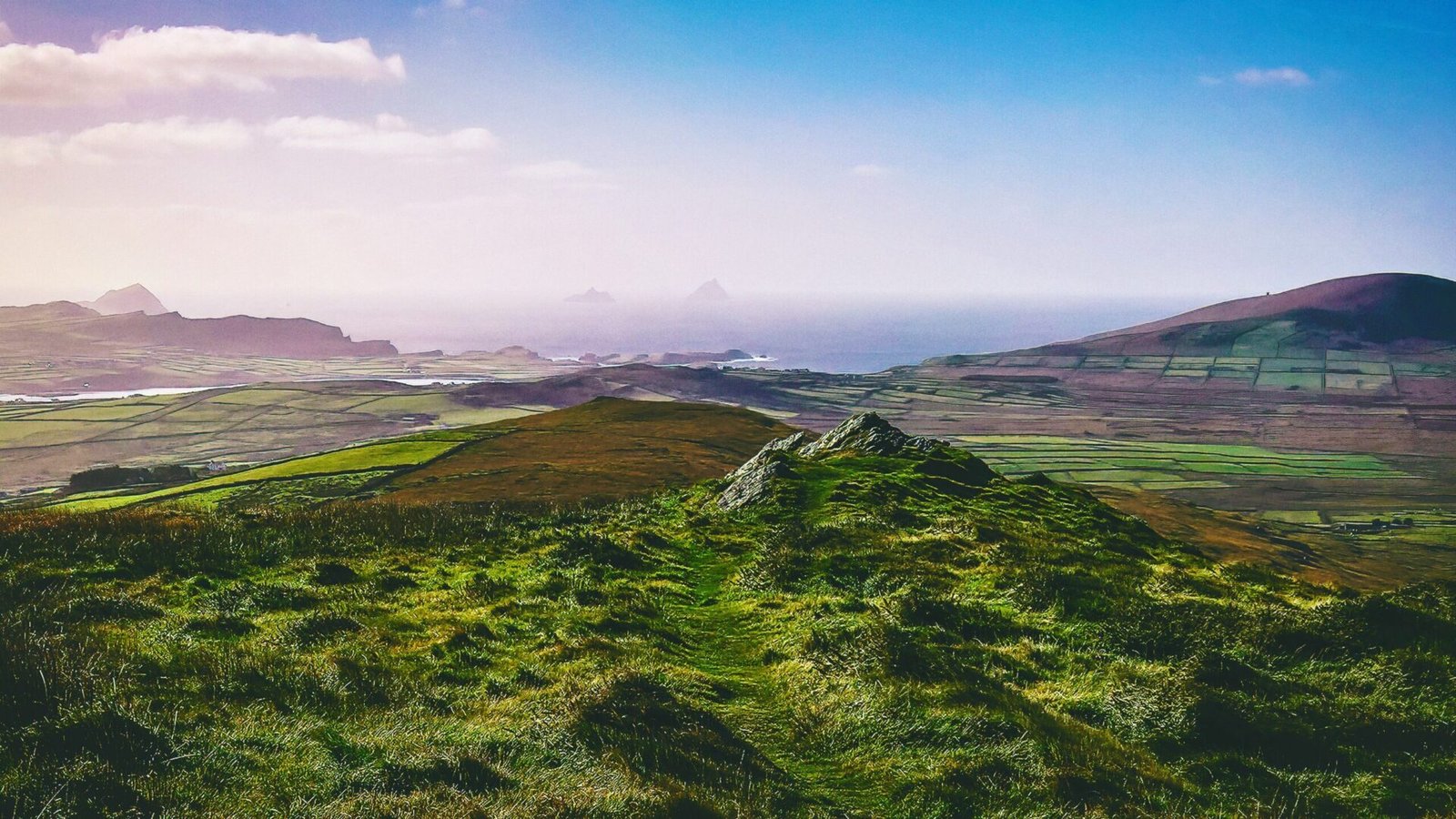
The Irish landscape is inextricably linked to the warrior ethos, serving as both a backdrop and a character in the narratives of ancient warriors. The hills of Tara, the plains of Meath, and the rugged cliffs of the west coast are not merely geographical features; they are imbued with historical and mythical significance. These locations are often the sites of legendary battles, where the valor of warriors is tested against the forces of nature and the adversaries of their clans.
Sacred sites, such as the Hill of Uisneach and the ancient fort of Dun Aonghasa, are steeped in the lore of warriors. These landscapes are not only physical spaces but also spiritual realms where the past and present converge. The stories of warriors are etched into the very fabric of the land, creating a rich tapestry of history that continues to resonate with the Irish people today.
The Role of Women in the Warrior Ethos
While the warrior ethos is often associated with male figures, women in Irish culture also played significant roles in the narratives of warriors. Figures like Queen Medb of Connacht and the warrior woman Scáthach challenge traditional gender roles, demonstrating that valor and leadership are not confined to men. Medb, in particular, is a complex character who embodies both the strengths and flaws of a warrior leader, illustrating the multifaceted nature of the warrior ethos.
Women were not only depicted as warriors but also as strategists and leaders, influencing the outcomes of battles and the fates of their clans. Their contributions to the warrior ethos highlight the importance of inclusivity in understanding the cultural narratives of ancient Ireland.
The Legacy of the Warrior Ethos
The warrior ethos has left an indelible mark on Irish culture, influencing literature, art, and national identity. The stories of ancient warriors continue to inspire contemporary Irish literature and film, where themes of bravery, loyalty, and justice resonate with modern audiences. The legacy of the warrior ethos can also be seen in the cultural revival movements that celebrate Ireland’s rich history and mythology.
In contemporary Ireland, the warrior ethos serves as a metaphor for resilience and strength in the face of adversity. The stories of ancient warriors are invoked in discussions of national pride and identity, reminding the Irish people of their rich heritage and the values that have shaped their society.
Conclusion
The warrior ethos in Irish culture is a complex interplay of history, mythology, and landscape. It reflects the values and ideals that have shaped Irish society, from the ancient Fianna to the legendary heroes of myth. The stories of warriors are not just tales of battle; they are narratives that explore the depths of human experience, illuminating the virtues and vices that define us all. As we continue to engage with these stories, we deepen our understanding of the warrior ethos and its enduring significance in Irish culture.