Reflection on the Importance of Understanding the Interplay Between Landscape, History, and Mythology
In the heart of Ireland, where rolling hills meet ancient stone, the landscape tells a story that transcends time. It is a narrative woven from the threads of history and mythology, where every stone, river, and hillock holds the whispers of the past. Understanding this interplay between landscape, history, and mythology is crucial, not just for scholars of Irish prehistory, but for anyone seeking to grasp the essence of a culture that has thrived for millennia. This exploration reveals how landscapes serve as dynamic historical records, reflecting the beliefs, struggles, and aspirations of those who came before us.
The Landscape as a Historical Record
The Irish landscape is a canvas painted with the strokes of human activity. From Neolithic tombs to medieval castles, each structure is a testament to the people who inhabited these lands. Archaeological evidence shows that the Irish landscape has been shaped by its inhabitants for thousands of years. The construction of megalithic structures, such as Newgrange and Knowth, demonstrates a sophisticated understanding of astronomy and a deep connection to the earth. These sites are not merely relics; they are markers of a civilization that revered the cycles of nature and the cosmos.
As we traverse the Irish countryside, we encounter not just physical remnants but also a tapestry of historical narratives. Each hill and valley has borne witness to the ebb and flow of cultures, invasions, and migrations. The landscape is imbued with the stories of the Celts, the Vikings, and the Normans, each leaving an indelible mark on the land. Understanding these historical layers allows us to appreciate how the landscape has influenced human behavior and societal development.
Mythology as a Lens for Understanding History
Mythology serves as a vital lens through which we can interpret the historical significance of the landscape. The myths of Ireland are rich and varied, filled with tales of gods, heroes, and supernatural beings. They are not mere stories; they are reflections of the values, fears, and hopes of a society. The interplay between landscape and mythology is particularly pronounced in the tales of the Tuatha Dé Danann, the mythical race of gods and heroes who are said to have inhabited Ireland before the arrival of the Celts.
Mountains like Slieve League and hills like Tara are not just geographical features; they are sacred spaces imbued with mythological significance. Tara, for instance, is often regarded as the seat of the ancient kings of Ireland and is steeped in legends of sovereignty and power. The stories associated with these landscapes provide insights into how ancient peoples perceived their world, their relationship with the divine, and their understanding of authority.
Moreover, the myths often serve to explain natural phenomena or historical events. The story of the Great Flood, for example, can be seen as a metaphor for real climatic changes that affected the landscape and the people living in it. By examining these myths, we can glean insights into how the Irish people made sense of their environment and their place within it.
The Interconnectedness of Landscape and Identity
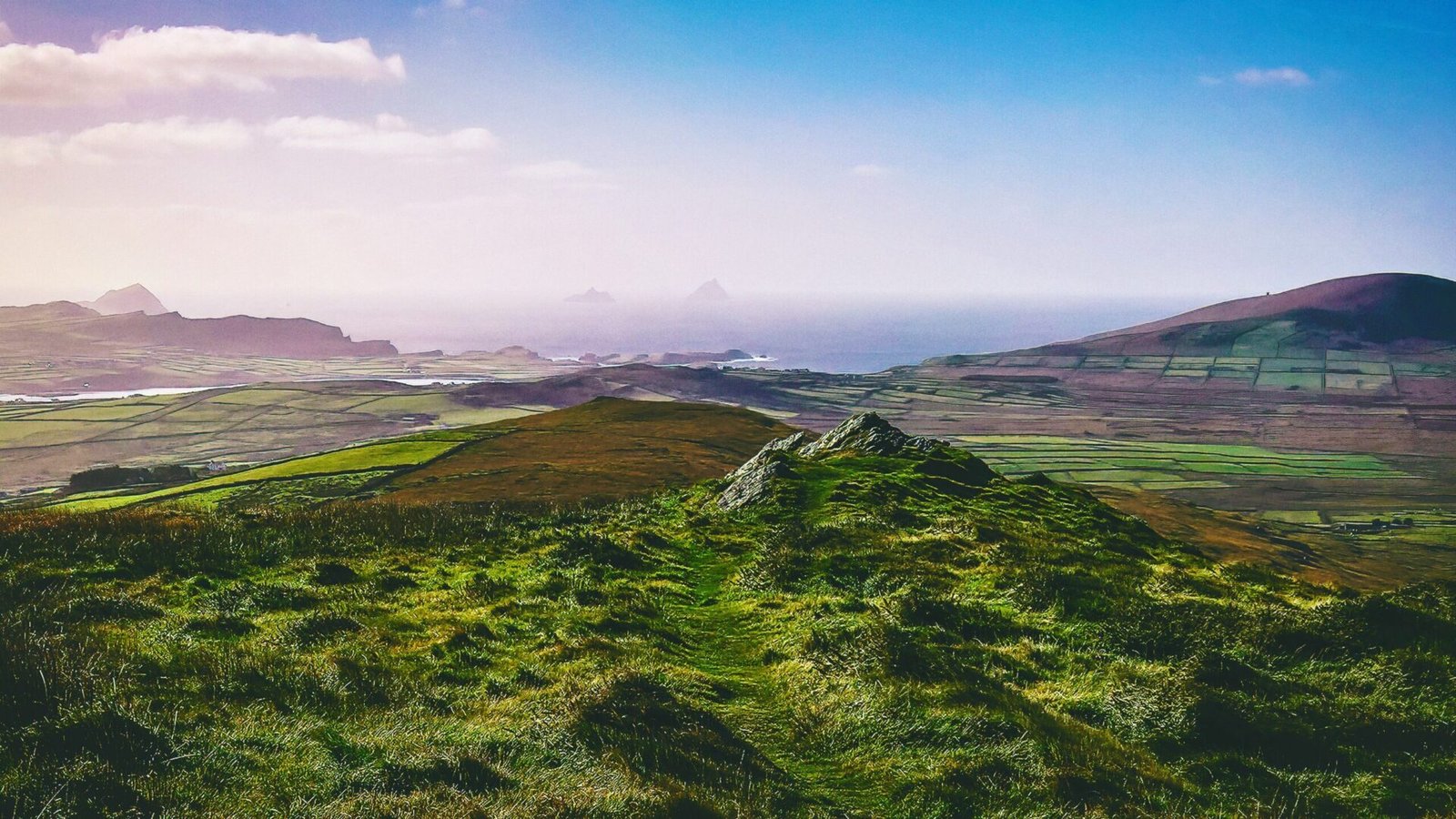
The connection between landscape and identity is particularly profound in Ireland. The landscape is not just a backdrop for human activity; it is a fundamental part of what it means to be Irish. The rolling green hills, the rugged coastline, and the ancient stone structures are symbols of national pride and cultural heritage. This relationship is reflected in the language, art, and folklore of the Irish people.
The Gaelic language itself is steeped in references to the landscape. Place names often carry historical significance, revealing stories of battles, migrations, and settlements. For instance, the name “Dublin” derives from the Irish “Dubhlinn,” meaning “black pool,” a reference to a dark tidal pool that existed in the area. Such names are not just labels; they are reminders of the past, anchoring contemporary identity in a rich historical context.
Furthermore, the landscape has inspired countless artists, writers, and poets throughout history. The works of W.B. Yeats, Seamus Heaney, and other literary giants are imbued with imagery of the Irish landscape, reflecting its profound influence on their creative expressions. This artistic engagement with the landscape reinforces the idea that it is not merely a physical space but a living entity that shapes and is shaped by human experience.
The Role of Folklore in Shaping Historical Understanding
Folklore plays a crucial role in bridging the gap between history and mythology. The tales passed down through generations often contain kernels of historical truth, albeit wrapped in layers of embellishment and supernatural elements. These stories serve as a repository of collective memory, preserving the experiences of communities and their interactions with the landscape.
For example, the legend of the Cailleach, a goddess associated with winter and the mountains, reflects the ancient understanding of the changing seasons and the challenges of survival in a harsh environment. The Cailleach is said to have created many of Ireland’s mountains, and her story is intertwined with the natural features of the landscape. By studying these folklore narratives, we can gain insights into how communities understood their environment and adapted to its challenges.
Additionally, folklore often serves as a means of social cohesion, reinforcing community values and shared beliefs. The stories that emerge from the landscape foster a sense of belonging and identity, creating a bond between the people and the land they inhabit. This connection is particularly evident in rural communities, where the landscape is not just a physical space but a living part of the community’s identity.
The Impact of Modernity on Landscape and Mythology
As we navigate the complexities of the modern world, it is essential to consider how contemporary developments impact the relationship between landscape, history, and mythology. Urbanization, industrialization, and globalization have transformed the Irish landscape, often erasing the historical and mythological significance of certain sites. The encroachment of modernity poses a challenge to preserving the cultural heritage embedded in the landscape.
However, there is also a growing movement to reconnect with the land and its stories. Initiatives aimed at heritage conservation, eco-tourism, and community engagement seek to revitalize the relationship between people and the landscape. By fostering a deeper understanding of the historical and mythological significance of the land, these efforts aim to ensure that future generations can appreciate the rich tapestry of Ireland’s past.
In this context, the interplay between landscape, history, and mythology becomes even more vital. It serves as a reminder of the importance of preserving not just the physical remnants of the past but also the stories and meanings that give those remnants life. The landscape is a dynamic historical record, and understanding its significance allows us to honor the legacy of those who came before us while shaping a more informed and connected future.