Rivers, Mountains, and Fertile Plains: The Landscape of Irish Prehistory
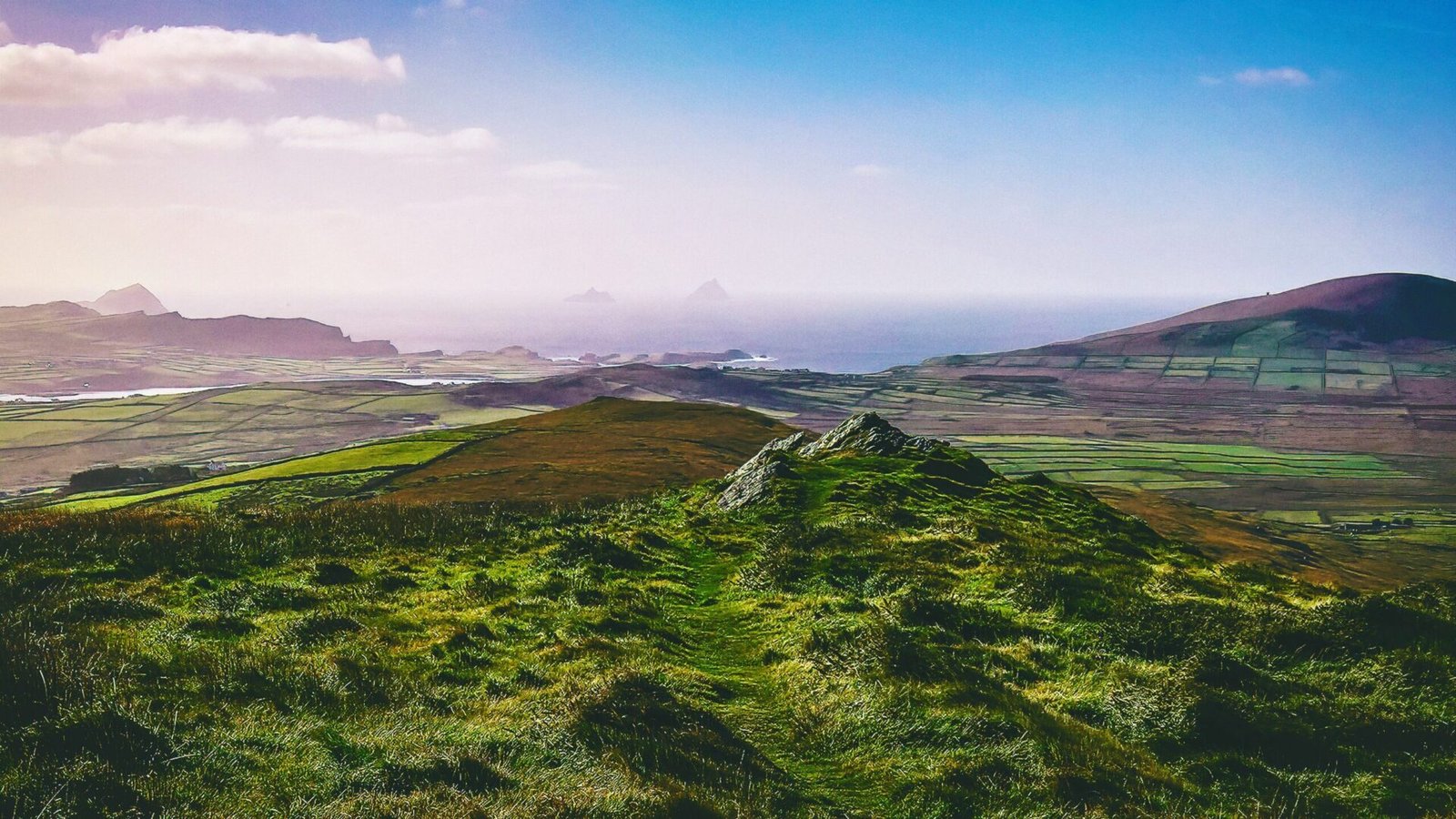
The rugged beauty of Ireland’s landscape is a tapestry woven from the threads of rivers, mountains, and fertile plains. These natural features have not only shaped the physical environment but have also profoundly influenced human settlement patterns, cultural practices, and mythological narratives throughout Irish prehistory. Understanding the interplay between these elements offers a glimpse into the lives of ancient communities and their enduring connection to the land.
The Role of Rivers in Settlement Patterns
Rivers have long been the lifeblood of civilizations, and Ireland is no exception. The island is crisscrossed by a network of rivers, each serving as a vital artery for trade, transportation, and sustenance. The River Shannon, the longest river in Ireland, has been a crucial waterway since prehistoric times. Its banks provided fertile grounds for agriculture and attracted early settlers who relied on fishing and foraging.
Archaeological evidence suggests that many ancient communities established themselves near rivers, taking advantage of the rich biodiversity and the availability of freshwater. Sites such as the Neolithic settlement at Lough Gur in County Limerick illustrate how early inhabitants utilized river systems for both practical and spiritual purposes. The presence of ritual sites near water bodies indicates that rivers were not merely functional but held significant cultural and mythological importance.
In Irish mythology, rivers often personify deities and are imbued with spiritual significance. The River Boyne, for instance, is associated with the goddess Boann and is linked to the mythological tales of the Tuatha Dé Danann, the ancient gods and goddesses of Ireland. These narratives reflect the deep reverence that ancient peoples had for their natural surroundings, suggesting that rivers were seen as sacred entities that shaped both the landscape and the lives of those who inhabited it.
Mountains: Guardians of the Past
The majestic mountains of Ireland, such as the Mourne Mountains and the Macgillycuddy’s Reeks, are not only striking geographical features but also serve as historical markers of human activity. These rugged terrains have witnessed the ebb and flow of human settlement, providing both challenges and opportunities for ancient communities. The mountains offered natural defenses, making them ideal locations for fortifications and settlements during times of conflict.
Archaeological findings in these highlands reveal the presence of ancient burial sites, stone circles, and ritual landscapes, suggesting that mountains were significant in the spiritual lives of prehistoric peoples. Sites like the passage tombs of Newgrange and Knowth, located in the Boyne Valley, demonstrate the ancient practice of aligning structures with celestial events, indicating a sophisticated understanding of astronomy and a desire to connect with the cosmos.
The mountains also played a crucial role in the development of pastoralism. The rich grazing lands found in the foothills supported livestock, which was central to the economy and social structure of prehistoric communities. The nomadic patterns of early herders often led them to migrate seasonally between the lowlands and highlands, a practice that is echoed in the stories of the mythical heroes who traversed these landscapes in search of adventure and glory.
Fertile Plains: The Heart of Agriculture
In contrast to the rugged mountains, Ireland’s fertile plains, particularly in regions like the Midlands and the Golden Vale, have been the cradle of agriculture since the Neolithic period. The rich alluvial soils, nourished by the rivers that meander through these plains, provided ideal conditions for farming. Archaeological evidence indicates that early farmers cultivated crops such as barley and wheat, establishing permanent settlements that would evolve into thriving communities.
The establishment of agriculture marked a significant turning point in human history, leading to the development of more complex societal structures. As communities settled and began to cultivate the land, they developed new technologies and practices that allowed for increased productivity. The construction of megalithic tombs and earthworks during this period reflects a growing sense of permanence and social organization, as these structures often served as communal gathering places and centers of ritual activity.
The fertile plains also played a vital role in the myths and legends of Ireland. The landscape is dotted with ancient sites that are steeped in folklore, such as the Hill of Tara, which was considered the seat of the High Kings of Ireland. This site, along with others, served as a focal point for political power and cultural identity, reinforcing the connection between the land and its inhabitants.
Interconnectedness of Landscape and Myth
The interplay between rivers, mountains, and fertile plains is not merely a backdrop for human activity; it is intricately woven into the fabric of Irish mythology. Many myths and legends are rooted in the landscape, with geographical features serving as the stage for epic tales of heroism, love, and conflict. The stories of the Fianna, a legendary band of warriors, often unfold in the context of Ireland’s diverse landscapes, highlighting the significance of place in shaping cultural narratives.
The concept of the Otherworld, a recurring theme in Irish mythology, is frequently associated with specific locations in the landscape. Rivers, mountains, and plains are often depicted as gateways to this mystical realm, where the boundaries between the physical and spiritual worlds blur. The River Shannon, for example, is not only a vital waterway but also a threshold to the Otherworld, as depicted in various myths where heroes embark on journeys across its waters.
Furthermore, the cyclical nature of the seasons and the agricultural calendar is mirrored in the myths, emphasizing the deep connection between the land and the people. Festivals such as Bealtaine and Samhain celebrate the changing seasons and the agricultural cycle, reinforcing the significance of the landscape in shaping cultural practices and communal identity.
The Legacy of Rivers, Mountains, and Fertile Plains
The rivers, mountains, and fertile plains of Ireland have not only shaped the physical landscape but have also left an indelible mark on the cultural and spiritual life of its people. The ancient communities that thrived in these environments laid the foundations for modern Irish society, their stories and traditions echoing through the ages.
As we explore the historical land use and settlement patterns of Ireland, it becomes evident that the landscape is not just a backdrop for human activity but a living entity that has shaped and been shaped by its inhabitants. The rivers that flow, the mountains that rise, and the plains that stretch across the land are imbued with history, myth, and meaning, inviting us to reflect on our own relationship with the natural world and the stories that continue to unfold within it.