The Role of Landscape in Myth-Making
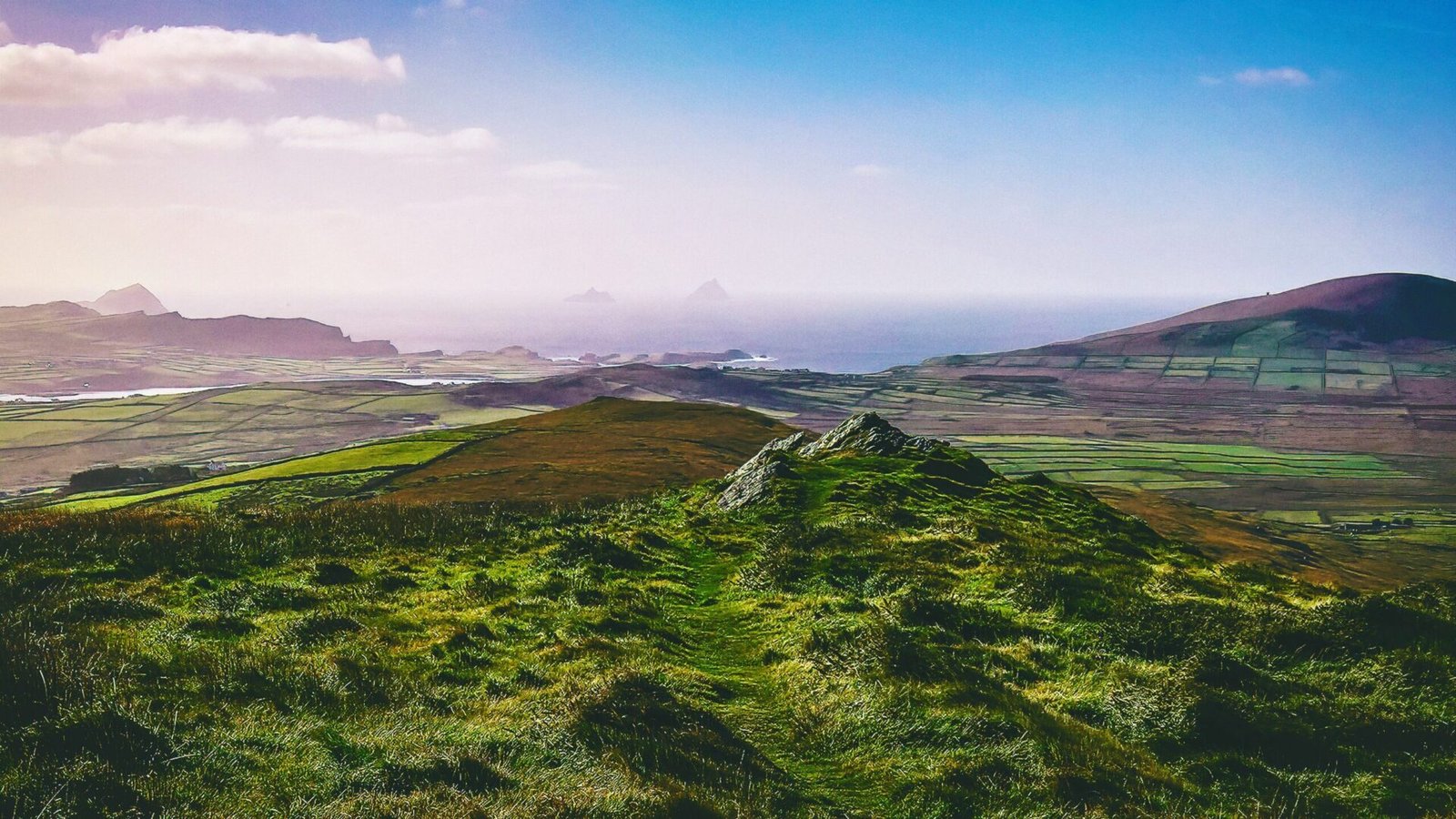
In the rich tapestry of Irish prehistory, the interplay between landscape and myth is a profound and intricate dance that has shaped the cultural identity of the Emerald Isle. The rugged hills, serene lakes, and ancient stone structures are not merely backdrops to human activity; they are active participants in the stories that have been woven into the fabric of Irish folklore. This pillar page delves into the multifaceted role of landscape in myth-making, exploring how the physical world has influenced, inspired, and been immortalized in the myths and legends of Ireland.
The Landscape as a Living Entity
In many ancient cultures, including that of Ireland, the landscape is often personified, treated as a living entity imbued with spirit and power. Mountains, rivers, and trees are not just geographical features; they are seen as ancestors, deities, or guardians of wisdom. In Irish mythology, places like the Hill of Tara and the River Shannon are not merely locations; they are imbued with the essence of the stories that surround them.
The Hill of Tara, for instance, is considered the seat of the High Kings of Ireland and is steeped in tales of sovereignty and divine right. It is said that the kings who ruled from this hill were chosen by the land itself, a belief that underscores the connection between landscape and leadership. The very act of ascending Tara is symbolic, representing a journey into the realm of the sacred, where the earthly and the divine intersect.
Similarly, the River Shannon, the longest river in Ireland, is woven into the fabric of numerous myths. It is often depicted as a boundary between the mortal world and the Otherworld, a liminal space where the ordinary meets the extraordinary. The river’s winding path through the landscape serves as a metaphor for the journey of life, with its twists and turns reflecting the unpredictability of fate.
Sacred Sites and Their Mythological Significance
Ireland is dotted with sacred sites that hold significant mythological weight. These places are often associated with specific legends or deities, creating a rich tapestry of stories that connect the physical landscape to the spiritual realm. Sites such as Newgrange, Loughcrew, and the ancient stone circles of Drombeg are not only architectural marvels but also powerful symbols of the relationship between humans and the cosmos.
Newgrange, a prehistoric passage tomb, is aligned with the winter solstice sunrise, suggesting that its builders had a profound understanding of astronomy and its connection to their beliefs. The act of constructing such a monumental site indicates a desire to connect with the divine and to mark the passage of time in a way that resonates with their understanding of life, death, and rebirth. The myths surrounding Newgrange often speak of the Tuatha Dé Danann, the mythical race of deities, further intertwining the landscape with the spiritual narratives of the past.
Loughcrew, another significant site, is adorned with ancient carvings and burial mounds that echo the stories of the past. The landscape here is not just a physical space; it is a canvas upon which the myths of the ancients were painted. The hills of Loughcrew are said to be the resting place of the goddess Ériu, the personification of Ireland itself. Her presence in the landscape serves as a reminder of the deep connection between the land and its mythological figures.
The Influence of Nature on Mythological Themes
The natural environment has a profound influence on the themes and motifs found in Irish mythology. The changing seasons, the cycle of life and death, and the interplay between light and darkness are all reflected in the stories passed down through generations. Nature serves as both a backdrop and a catalyst for the myths that emerge from the landscape.
For example, the arrival of spring is often celebrated in myths as a time of renewal and rebirth. The goddess Brigid, associated with fertility, healing, and poetry, is often invoked during this season. Her connection to the land is evident in the way her stories intertwine with the cycles of nature, emphasizing the importance of the landscape in understanding the rhythms of life.
Conversely, the harshness of winter is often depicted in myths as a time of struggle and survival. The stories of the Cailleach, the divine hag associated with winter, illustrate the landscape’s duality. She is both a creator and a destroyer, embodying the fierce and unforgiving aspects of nature. The myths surrounding her often reflect the challenges faced by ancient peoples in navigating their environment, underscoring the landscape’s role in shaping human experience.
Landscape as a Narrative Device
The landscape in Irish mythology often serves as a narrative device, guiding characters on their journeys and influencing their destinies. The physical terrain can symbolize obstacles, challenges, or pathways to enlightenment, reflecting the internal struggles of the characters within the stories.
In the tale of the hero Cú Chulainn, the landscape plays a crucial role in his adventures. His encounters with various locations, such as the Ford of the Hurdles or the Plain of Muirthemne, are not mere settings; they are integral to his identity and the challenges he faces. The landscape becomes a character in its own right, shaping the narrative and reflecting the hero’s inner turmoil and growth.
Moreover, the concept of the Otherworld—a mystical realm that exists parallel to the physical world—is often depicted through specific landscapes. The entrance to the Otherworld is frequently associated with natural features such as caves, mounds, or bodies of water. These thresholds serve as points of transition, blurring the lines between reality and myth, and inviting individuals to explore the mysteries that lie beyond the visible world.
The Legacy of Landscape in Contemporary Myth-Making
The relationship between landscape and myth-making is not confined to the past. In contemporary Ireland, the echoes of ancient stories continue to resonate within the landscape. Artists, writers, and storytellers draw inspiration from the natural world, weaving new narratives that reflect both the beauty and complexity of the Irish landscape.
Modern interpretations of myth often seek to reconnect individuals with their cultural heritage, emphasizing the importance of place in understanding identity. The landscape serves as a canvas for contemporary myth-making, inviting new generations to explore the stories that have shaped their ancestors and to find their own voices within the rich tradition of Irish folklore.
As we journey through the landscapes of Ireland, we are reminded that every hill, river, and stone carries with it the weight of history and myth. The role of landscape in myth-making is a testament to the enduring power of place, shaping not only the stories we tell but also the very essence of who we are as a people. Through the lens of myth, the Irish landscape reveals itself as a vibrant and dynamic entity, forever intertwined with the narratives that define our existence.