The Importance of Landscape in Understanding Prehistory
Introduction: The Interplay of Landscape and Human Experience
The concept of landscape transcends mere geography; it embodies the intricate relationship between humans and their environment. In the context of prehistory, particularly in Ireland, landscape serves as a vital lens through which we can explore the lives, beliefs, and practices of ancient peoples. The study of landscape is not just about physical features; it encompasses the cultural, spiritual, and social dimensions that shape human experience. By examining how prehistoric communities interacted with their surroundings, we can glean insights into their worldviews, practices, and the myths that have emerged from their deep connection to the land.
The Landscape as a Living Archive
Physical Features and Human Activity
Every hill, river, and stone in the Irish landscape tells a story. The physical features of the land have not only influenced settlement patterns but have also shaped the cultural narratives that emerge from those settlements. Archaeological evidence reveals that prehistoric communities often chose locations for their dwellings based on the natural resources available to them, such as fertile soil, water sources, and materials for construction.
For instance, the presence of megalithic tombs and stone circles across Ireland indicates that these sites were not randomly selected; rather, they were strategically positioned to align with significant geographical features or celestial events. The landscape acted as a canvas upon which the prehistoric inhabitants painted their lives, rituals, and beliefs. Understanding these choices allows us to appreciate how the landscape was perceived as sacred and imbued with meaning.
The Role of Natural Landmarks
Natural landmarks—such as mountains, rivers, and ancient forests—often held spiritual significance for prehistoric peoples. These features were not merely physical entities but were interwoven with myth and tradition. For example, the River Boyne, with its rich archaeological heritage, is closely associated with the mythological tales of the Tuatha Dé Danann, the legendary race of gods and heroes in Irish mythology. The river’s winding path and seasonal changes were likely seen as manifestations of divine influence, reinforcing the connection between the landscape and the spiritual world.
By studying the myths that arise from these natural landmarks, we can gain a deeper understanding of how prehistoric communities perceived their environment. The stories told about these places reflect their values, fears, and aspirations, providing a rich tapestry of human experience that is inseparable from the physical landscape.
The Landscape as a Cultural Text
Myths and Oral Traditions
In many ways, the landscape functions as a cultural text, rich with narratives that have been passed down through generations. Myths and oral traditions often serve to explain the origins of particular geographical features or to convey moral lessons tied to specific locations. The interplay between landscape and mythology is particularly pronounced in Ireland, where ancient tales are deeply rooted in the land itself.
For example, the story of the Cailleach, a goddess associated with winter and transformation, is linked to various mountains and hills across Ireland. According to myth, she shaped the landscape itself, creating valleys and peaks as she moved through the land. These narratives not only provide insight into the beliefs of prehistoric peoples but also illustrate how they understood and interacted with their environment.
Rituals and Sacred Spaces
The landscape was also a stage for rituals and communal gatherings, which were integral to prehistoric societies. Sacred sites, such as Newgrange and Loughcrew, reveal the importance of specific locations in the spiritual lives of ancient peoples. These sites were often aligned with astronomical events, such as solstices and equinoxes, suggesting a sophisticated understanding of celestial cycles and their significance to agricultural practices and social organization.
The rituals performed at these sites were not merely acts of devotion; they were expressions of identity and community. By examining the archaeological remains of these rituals, including offerings, burial practices, and ceremonial artifacts, we can better understand the social structures and belief systems that underpinned prehistoric life.
The Landscape as a Dynamic Entity
Environmental Change and Human Adaptation
The relationship between humans and landscape is not static; it is dynamic and constantly evolving. Environmental changes—whether due to natural processes or human activity—have shaped how communities interact with their surroundings. Understanding these changes is crucial for interpreting the archaeological record.
For instance, during the Mesolithic period, rising sea levels transformed the coastal landscape of Ireland, leading to the inundation of many prehistoric sites. As a result, communities were forced to adapt their lifestyles, moving inland and altering their subsistence strategies. This adaptability is a testament to the resilience of prehistoric peoples and their deep understanding of the landscape.
Climate and Landscape Perception
Climate also plays a significant role in shaping the landscape and, consequently, human perception of it. The changing climate of prehistoric Ireland influenced agricultural practices, settlement patterns, and resource availability. As communities faced challenges posed by climate fluctuations, their relationship with the landscape evolved, leading to new ways of understanding and interacting with their environment.
For example, the transition from a hunter-gatherer lifestyle to settled farming during the Neolithic period marked a profound shift in how people perceived and utilized the landscape. The domestication of plants and animals required a different relationship with the land, one that emphasized stewardship and cultivation. This shift is reflected in the archaeological record, where we see the emergence of new settlement types and agricultural practices.
The Landscape as a Source of Identity
Regional Variations and Cultural Diversity
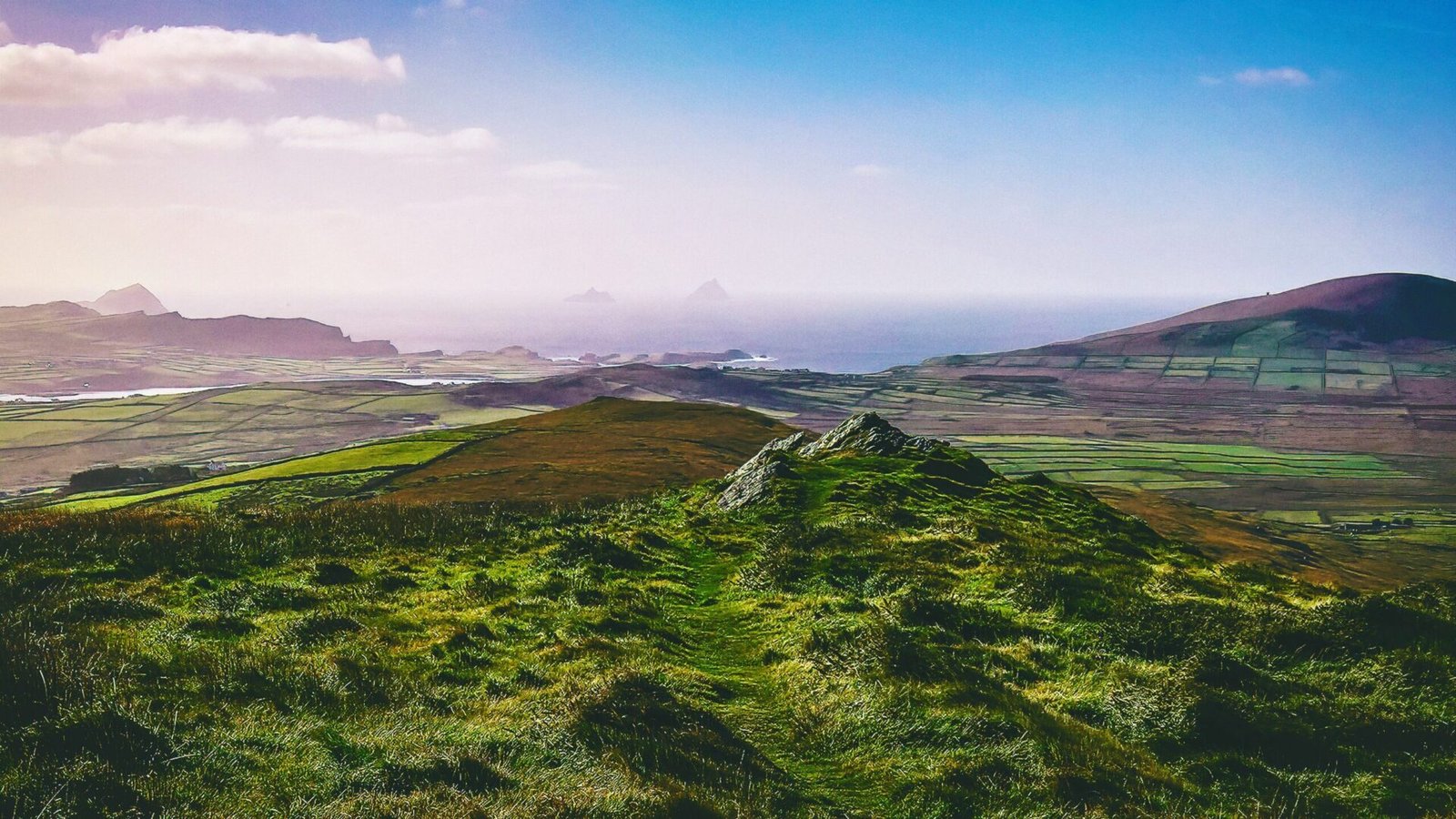
The landscape of Ireland is characterized by its regional diversity, which has fostered distinct cultural identities throughout prehistory. Variations in topography, climate, and resources have led to different ways of life, reflected in the archaeological record. By studying these regional landscapes, we can uncover the rich tapestry of cultural diversity that existed in prehistoric Ireland.
For instance, the rugged terrain of the west coast contrasts sharply with the fertile plains of the east, leading to different settlement patterns and subsistence strategies. These variations are not just geographical; they are deeply intertwined with the myths, traditions, and identities of the communities that inhabited these landscapes.
The Legacy of Landscape in Modern Identity
The significance of landscape in understanding prehistory extends beyond the ancient past; it continues to shape contemporary identities. The myths and stories rooted in the landscape remain relevant today, influencing how modern Irish people perceive their heritage and relationship with the land. The ongoing interest in archaeology, folklore, and environmental stewardship reflects a deep-seated recognition of the landscape as a vital part of cultural identity.
In conclusion, the importance of landscape in understanding prehistory cannot be overstated. It serves as a multifaceted framework through which we can explore the lives, beliefs, and practices of ancient peoples. By examining the interplay between landscape and human experience, we gain valuable insights into the rich tapestry of Irish prehistory, revealing how the land itself has shaped and been shaped by those who have walked upon it.