Ireland’s prehistoric landscape is a tapestry woven with the threads of ancient cultures, myths, and monumental sites. Beyond the well-trodden paths of Newgrange and the Hill of Tara, other significant locations reveal the depth of human activity and belief that shaped the Emerald Isle. This exploration of key prehistoric sites, including the Ceide Fields and Loughcrew, invites you to delve into the mysteries of Ireland’s past, where the land itself tells stories of ancient farmers, ritualists, and the enduring connection between people and place.
The Ceide Fields: A Window into Neolithic Life
Nestled along the rugged coastline of County Mayo, the Ceide Fields represent one of the most remarkable archaeological discoveries in Ireland. This vast complex of stone walls, fields, and tombs dates back to the Neolithic period, approximately 5,000 years ago. The site is a testament to the agricultural practices of early Irish farmers who cultivated the land long before the advent of modern farming techniques.
The Landscape of Ceide Fields
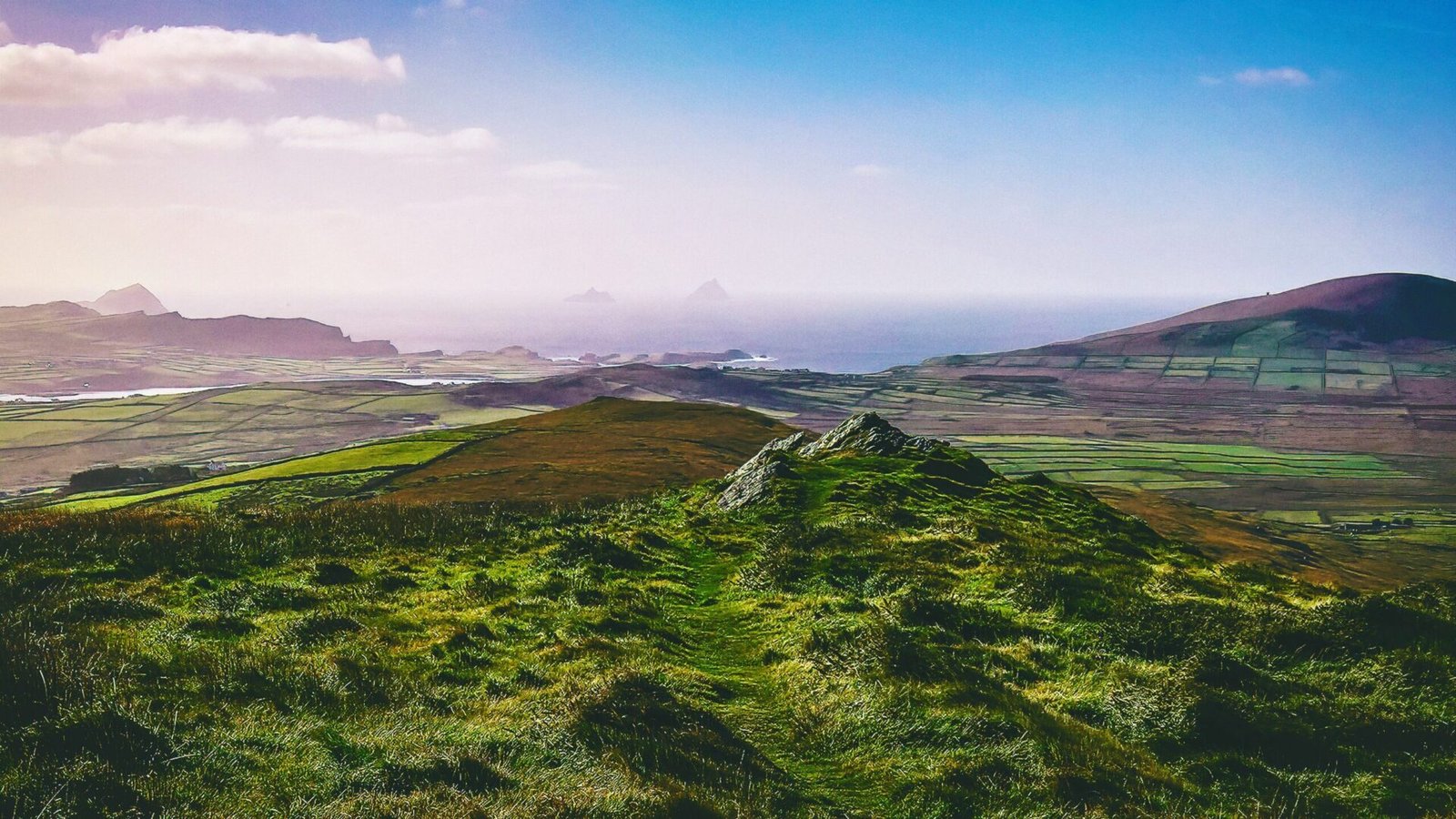
The Ceide Fields stretch over 5,000 acres, characterized by a patchwork of stone walls that once delineated fields for crops and livestock. The walls, constructed from local limestone, showcase the ingenuity of Neolithic farmers who adapted to the challenging terrain. The site is not merely a collection of ruins; it is a living landscape that reflects the relationship between humans and their environment. Today, the fields are interspersed with wildflowers and grasses, creating a serene backdrop for contemplation and exploration.
Archaeological Significance
Discovered in the 1930s by local farmer Patrick Caulfield, the Ceide Fields have since become a focal point for archaeological research. Excavations have uncovered evidence of ancient farming practices, including the remains of plough marks and tools, as well as burial sites. The findings suggest that the Neolithic inhabitants of this region engaged in a sophisticated agricultural lifestyle, cultivating crops such as barley and wheat.
The site also includes several passage tombs, which are thought to have served as burial places and ceremonial sites. These tombs, aligned with the rising sun during the winter solstice, indicate a deep connection to astronomical events, a theme that resonates throughout Irish prehistory. The Ceide Fields, therefore, not only provide insight into agricultural practices but also highlight the spiritual beliefs of the people who inhabited this landscape.
Myths and Legends
The Ceide Fields are steeped in local folklore, with tales that intertwine the natural and the supernatural. One popular legend speaks of the “Cailleach,” a divine hag associated with the land and its transformation. According to myth, she shaped the landscape, creating mountains and valleys, and her presence is still felt in the rolling hills surrounding the fields. Such stories illustrate how the people of ancient Ireland sought to explain their world through narratives that connected them to the land and its history.
Loughcrew: The Sacred Hills of the Ancients
Another significant prehistoric site is Loughcrew, a complex of passage tombs located in County Meath. Often overshadowed by the more famous sites of Newgrange and Knowth, Loughcrew offers a unique glimpse into the spiritual practices of the Neolithic people. The site consists of several tombs, with the largest, known as Cairn T, perched atop a hill that provides breathtaking views of the surrounding countryside.
The Tombs of Loughcrew
Cairn T is particularly noteworthy for its intricate carvings and its alignment with the equinoxes. The entrance to the tomb is adorned with a series of spirals, lozenges, and other abstract symbols, which are thought to represent the cosmos and the cycle of life and death. Inside, the tomb features a long passage leading to a central chamber, where the remains of the deceased were likely placed during burial rituals.
The alignment of Cairn T with the rising sun during the spring and autumn equinoxes suggests that the tomb served as a ceremonial site, where rituals were performed to honor the dead and celebrate the changing seasons. This connection to celestial events reflects the broader theme of astronomical significance found throughout Irish prehistory, where the movements of the sun and moon were intricately woven into the fabric of daily life and spiritual belief.
The Landscape of Loughcrew
The hills of Loughcrew are not only home to ancient tombs but also to a rich tapestry of flora and fauna. The surrounding landscape is dotted with wildflowers, and the rolling hills are a haven for wildlife. This natural beauty enhances the spiritual significance of the site, as the ancients believed that the landscape was imbued with the presence of their ancestors.
Local legends abound, with tales of the “Tuatha Dé Danann,” the mythical race of gods and heroes who are said to have inhabited the hills. According to folklore, these deities were associated with fertility, wisdom, and the arts, and their influence can still be felt in the stories and traditions of the region. The interplay between myth and landscape at Loughcrew serves as a reminder of the enduring connection between the people of ancient Ireland and their environment.
Other Notable Locations
While Ceide Fields and Loughcrew stand out as significant prehistoric sites, Ireland is home to many other locations that offer insight into its ancient past.
The Hill of Uisneach
The Hill of Uisneach, located in County Westmeath, is considered the mythical center of Ireland. According to legend, it is the site where the ancient kings of Ireland were inaugurated, and it is associated with the goddess Ériu, from whom the country derives its name. The hill is dotted with ancient burial mounds and stone structures, making it a focal point for both archaeological study and spiritual pilgrimage.
Carrowkeel
Carrowkeel, a lesser-known passage tomb complex in County Sligo, features a series of tombs that date back to the Neolithic period. The site is perched on a high ridge, offering stunning views of the surrounding landscape. The tombs are notable for their elaborate stone carvings and the alignment of their entrances with celestial events, similar to those found at Loughcrew and Newgrange.
The Grianan of Aileach
The Grianan of Aileach, a stone fort located in County Donegal, is another significant site that reflects the prehistoric landscape of Ireland. This ancient structure, believed to date back to the 6th century, offers insights into the defensive strategies and social organization of early Irish societies. The fort’s commanding position on a hilltop provides a strategic vantage point, reinforcing its importance in the region’s history.
The Interconnectedness of Sites
As we explore these significant locations, it becomes clear that they are not isolated entities but rather part of a larger tapestry of prehistoric life in Ireland. The connections between these sites—through shared myths, agricultural practices, and astronomical alignments—speak to a culture deeply attuned to the rhythms of the land and the cosmos. Each site, from the Ceide Fields to Loughcrew and beyond, contributes to our understanding of how ancient peoples lived, worshipped, and interacted with their environment, creating a legacy that continues to resonate in Ireland’s cultural landscape today.