Carrowkeel: A Pillar of Irish Prehistory
Overview of Carrowkeel
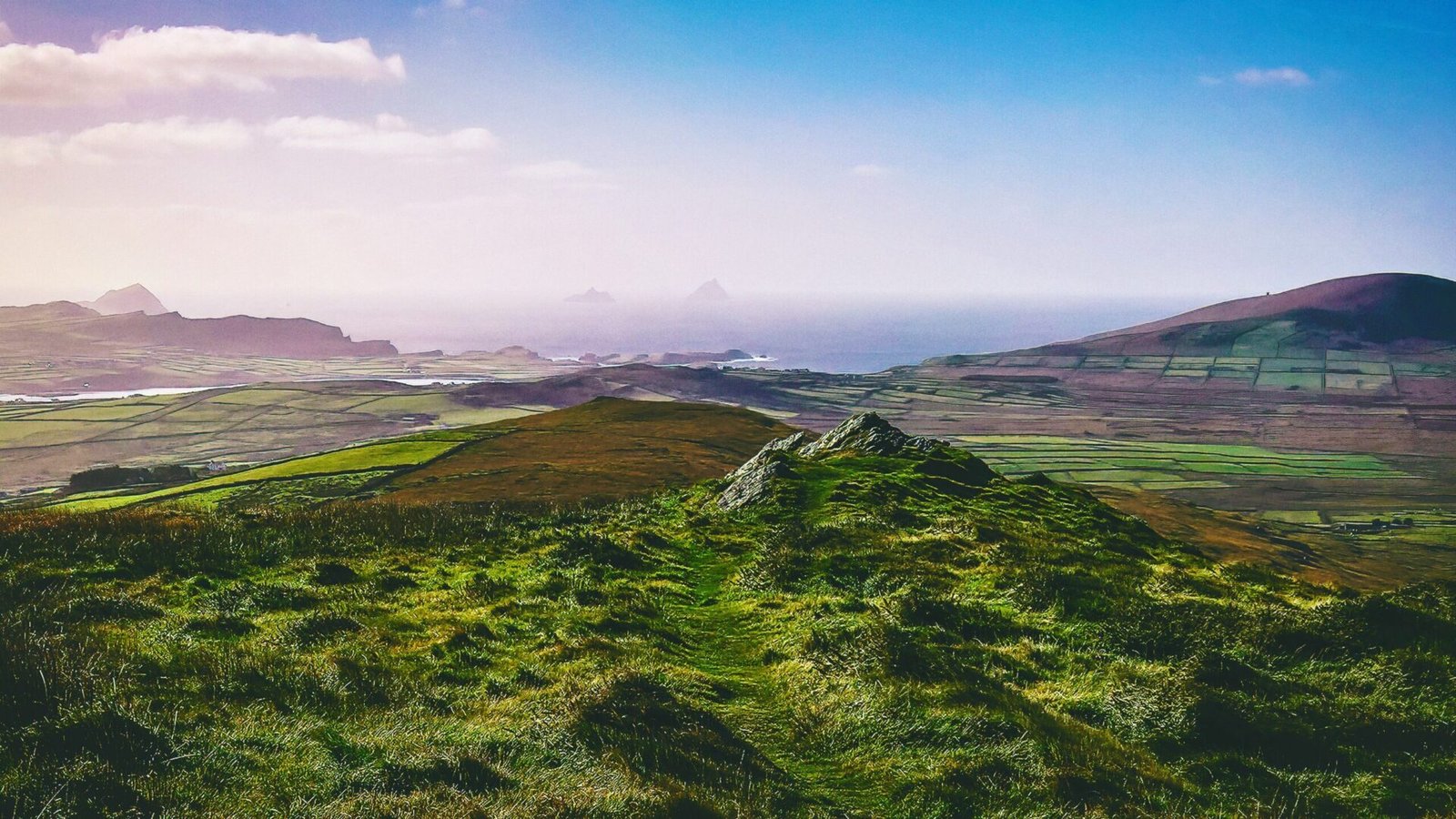
Nestled in the heart of County Sligo, Carrowkeel is a remarkable complex of megalithic tombs that dates back to the Neolithic period, approximately 5,000 years ago. This ancient site is part of a broader megalithic landscape that includes other significant archaeological sites in Ireland, such as Newgrange and the Hill of Tara. Carrowkeel consists of over 60 tombs, primarily passage graves, which are characterized by their long, narrow passages leading to a central burial chamber. These tombs are strategically situated on a high plateau, offering breathtaking views of the surrounding countryside, including the majestic peaks of the Ox Mountains and the serene expanse of Lough Arrow.
The layout of Carrowkeel is not merely a random arrangement of stones; it reflects the sophisticated understanding of astronomy and the natural world possessed by its builders. The orientation of many of the tombs aligns with celestial events, such as the rising and setting of the sun during solstices and equinoxes. This alignment suggests that the people of Carrowkeel had a deep connection to the cosmos, using their architectural creations as both burial sites and astronomical observatories. The significance of Carrowkeel extends beyond its physical structures; it represents a vital link between the living and the dead, a place where the spiritual and the earthly intersect.
The Role of Carrowkeel in the Megalithic Landscape of Ireland
Carrowkeel is a critical component of Ireland’s megalithic landscape, which is dotted with ancient structures that served various purposes, from burial sites to ceremonial centers. The site is often compared to other prominent megalithic sites, such as Newgrange in County Meath and the Poulnabrone Dolmen in County Clare. However, Carrowkeel possesses unique characteristics that set it apart.
Unlike Newgrange, which is renowned for its intricate carvings and elaborate entrance, Carrowkeel’s tombs are more austere, yet they exude a raw, elemental beauty. The stones used in the construction of the tombs are primarily limestone, which is abundant in the region, and many of them are adorned with simple but striking carvings, including spirals and zigzag patterns. These motifs echo the themes of life, death, and the cyclical nature of existence, concepts that were central to the beliefs of the Neolithic people.
Moreover, Carrowkeel is part of a larger network of megalithic sites that share cultural and spiritual connections. The proximity of Carrowkeel to other significant sites, such as the nearby Loughcrew and the ancient passage tombs of County Meath, suggests that these locations were not isolated but were part of a broader cultural landscape. This interconnectedness is further emphasized by the similarities in architectural styles and burial practices observed across these sites, indicating a shared belief system among the communities that inhabited them.
The Myths and Legends Surrounding Carrowkeel
The significance of Carrowkeel extends beyond its physical structures and archaeological importance; it is also steeped in myth and legend. The Irish landscape is rich with stories that intertwine with its ancient sites, and Carrowkeel is no exception. Local folklore often speaks of the “Sídhe,” the fairy folk believed to inhabit the mounds and hills of Ireland. These stories suggest that the tombs of Carrowkeel were not merely burial sites but were also seen as gateways to the Otherworld, where the spirits of the ancestors reside.
One popular legend associated with Carrowkeel involves the tale of the “Children of Lir,” a story that speaks to themes of transformation and loss. In this myth, the children are transformed into swans and are doomed to roam the waters of Ireland for centuries. The connection between this tale and Carrowkeel may lie in the site’s role as a place of transition, where the living honor their ancestors and seek guidance from the spirits of the past. The echoes of these myths resonate through the landscape, reminding us that the past is never truly gone; it lingers in the stories we tell and the places we inhabit.
The Archaeological Significance of Carrowkeel
Archaeological excavations at Carrowkeel have revealed a wealth of information about the Neolithic people who constructed these tombs. Artifacts such as pottery, flint tools, and human remains have been uncovered, providing insights into the daily lives, burial practices, and rituals of the individuals who once inhabited this landscape. The presence of cremated remains within some of the tombs suggests a complex understanding of death and the afterlife, indicating that the people of Carrowkeel engaged in diverse burial practices.
Furthermore, the study of the tombs’ construction techniques offers valuable information about the social organization and technological capabilities of Neolithic societies. The sheer scale of the tombs and the effort required to transport and position the massive stones speak to a well-coordinated community effort, suggesting that these societies were not only capable of monumental architecture but also possessed a strong sense of collective identity and purpose.
Carrowkeel in the Context of Modern Archaeology and Heritage
In contemporary times, Carrowkeel has gained recognition not only as an archaeological site but also as a vital part of Ireland’s cultural heritage. As interest in prehistoric Ireland continues to grow, so too does the importance of preserving sites like Carrowkeel. Efforts are underway to protect and promote the site, ensuring that future generations can appreciate its historical and cultural significance.
The integration of Carrowkeel into heritage tourism has also sparked discussions about the balance between preservation and public access. While increased visitation can bring awareness and funding for conservation efforts, it also poses challenges in terms of site management and the potential for damage. Engaging local communities in the stewardship of Carrowkeel is essential, as it fosters a sense of ownership and pride in their heritage, ensuring that the stories and traditions associated with the site continue to thrive.
Conclusion
Carrowkeel stands as a testament to the ingenuity and spirituality of Ireland’s Neolithic peoples. Its tombs, steeped in myth and history, offer a glimpse into a world where the living and the dead coexisted in a landscape imbued with meaning. As we continue to explore and understand this remarkable site, we uncover not only the stories of those who came before us but also the enduring connection between our past and present.