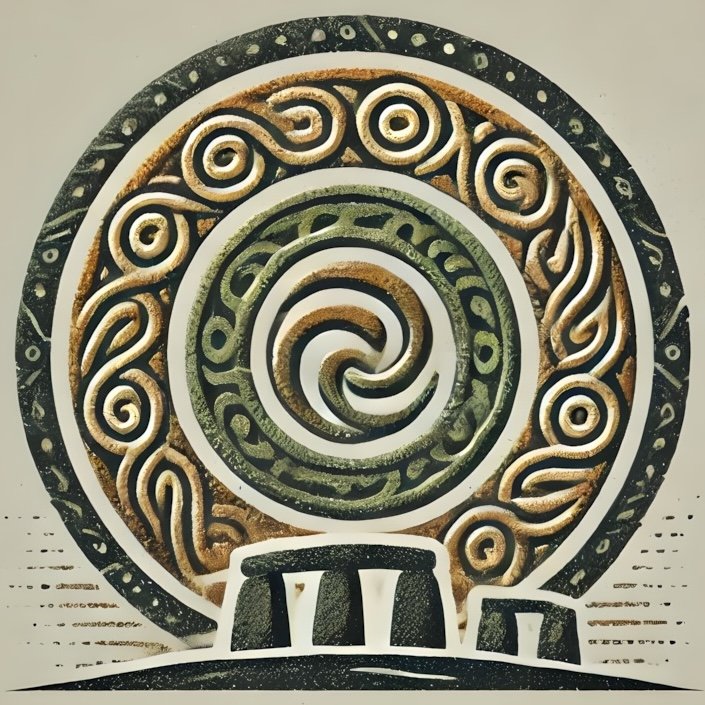

Megalithic Structures and Agriculture: Rituals and Community Gatherings
The rolling hills of Ireland, with their lush green pastures and ancient stone formations, tell a story that transcends time. Among the most intriguing elements of this narrative are the megalithic structures that dot the landscape. These monumental stones, often associated with burial sites, ceremonial places, and astronomical alignments, also played a significant role in agricultural rituals and community gatherings. This pillar page delves into the multifaceted relationship between megaliths, agriculture, and communal life in prehistoric Ireland, exploring how these ancient structures shaped both the physical and spiritual landscape of early societies.
The Megaliths: Guardians of the Land
Megalithic structures, such as dolmens, passage tombs, and standing stones, are not merely remnants of a bygone era; they are enduring symbols of the cultural and agricultural practices of ancient communities. Constructed from massive stones, these structures often served as focal points for rituals that celebrated the cycles of nature, particularly the agricultural seasons. The alignment of many megaliths with celestial bodies suggests that they were used to mark important seasonal events, such as solstices and equinoxes, which were crucial for agricultural planning.
Agricultural Rituals: A Connection to the Divine
In prehistoric Ireland, agriculture was not just a means of subsistence; it was deeply intertwined with spirituality. The megaliths served as sacred spaces where communities gathered to perform rituals aimed at ensuring bountiful harvests and the fertility of the land. These rituals often included offerings to deities or ancestral spirits, reflecting a belief that the success of their crops depended on divine favor.
For instance, during the spring equinox, communities might gather at a passage tomb like Newgrange to celebrate the return of light and the awakening of the earth. These gatherings would involve feasting, music, and ceremonies designed to invoke blessings for the planting season. The alignment of the tomb with the rising sun on this day underscores the significance of light and warmth in agricultural cycles, reinforcing the connection between the megalith and the fertility of the land.
Community Gatherings: The Heart of Social Life
Megalithic structures also served as communal gathering places, fostering social cohesion among prehistoric communities. These gatherings were not limited to agricultural rituals; they encompassed a wide range of activities, including festivals, storytelling, and communal decision-making. The presence of megaliths in the landscape created a sense of identity and belonging, as people came together to celebrate their shared heritage and collective aspirations.
The act of gathering at megalithic sites reinforced social bonds and facilitated the exchange of knowledge and resources. For example, during harvest festivals, communities would come together to share their bounty, reinforcing the importance of cooperation in agricultural practices. These gatherings likely included games, music, and dance, creating a vibrant atmosphere that celebrated both the land and the people who worked it.
Megaliths as Calendrical Markers
The role of megaliths as calendrical markers is another fascinating aspect of their connection to agriculture. Many megaliths are aligned with the sun, moon, and stars, serving as natural calendars that helped ancient peoples track the passage of time and the changing seasons. This knowledge was vital for agricultural societies, as it dictated when to plant and harvest crops.
For example, the alignment of the entrance of the passage tomb at Loughcrew with the rising sun during the spring equinox suggests that it was used as a marker for the beginning of the agricultural year. By observing the celestial events, communities could predict seasonal changes, ensuring that they planted their crops at the optimal time for growth. This intricate understanding of astronomy, combined with the physical presence of megaliths, created a profound connection between the people and their environment.
The Symbolism of Stone
The choice of stone as the medium for these monumental structures carries deep symbolism. Stone is a material that endures, representing stability, permanence, and the connection to ancestors. In agricultural rituals, stones could symbolize the fertility of the land and the strength of the community. This is particularly evident in the practice of placing offerings at megalithic sites, where stones might be used as altars or markers of devotion.
Moreover, the act of constructing megaliths itself can be seen as a communal effort that reinforced social ties. The labor involved in transporting and erecting massive stones required cooperation and coordination, fostering a sense of unity among community members. This collective effort not only produced a physical structure but also solidified the social fabric of the community, intertwining their identities with the landscape.
Myths and Legends: Weaving the Narrative
Megaliths are often steeped in myth and legend, serving as the backdrop for stories that explain the origins of the land and its people. These narratives frequently involve themes of fertility, harvest, and the cyclical nature of life, reflecting the agricultural practices of the societies that built them. For instance, many Irish myths feature gods and goddesses associated with agriculture, such as the goddess Brigid, who is linked to fertility, healing, and the hearth.
These myths were not only entertaining; they served to educate communities about their agricultural practices and the importance of respecting the land. By embedding agricultural knowledge within stories, communities could pass down essential information through generations, ensuring that their connection to the megaliths and the land remained strong.
The Legacy of Megaliths in Modern Agriculture
The influence of megalithic structures on agricultural practices extends beyond prehistoric times. Today, many farmers in Ireland still honor the traditions associated with these ancient sites, incorporating rituals and celebrations that echo the practices of their ancestors. The legacy of megaliths can be seen in the continued importance of community gatherings during harvest time, where the spirit of cooperation and gratitude for the land persists.
In contemporary society, there is a growing interest in sustainable agriculture and the preservation of traditional practices. The megaliths serve as a reminder of the deep-rooted connection between people and the land, encouraging modern communities to reflect on their agricultural heritage and the importance of nurturing the earth.
Conclusion
The megalithic structures of Ireland are more than mere stones; they are a testament to the intricate relationship between agriculture, community, and spirituality in prehistoric societies. Through rituals, gatherings, and the enduring stories that surround these monumental sites, we gain insight into the lives of those who came before us. The legacy of megaliths continues to resonate today, reminding us of the profound connection between the landscape, our agricultural practices, and the communal bonds that unite us. As we explore the rich tapestry of Irish prehistory, the megaliths stand as enduring symbols of resilience, unity, and the sacredness of the land.