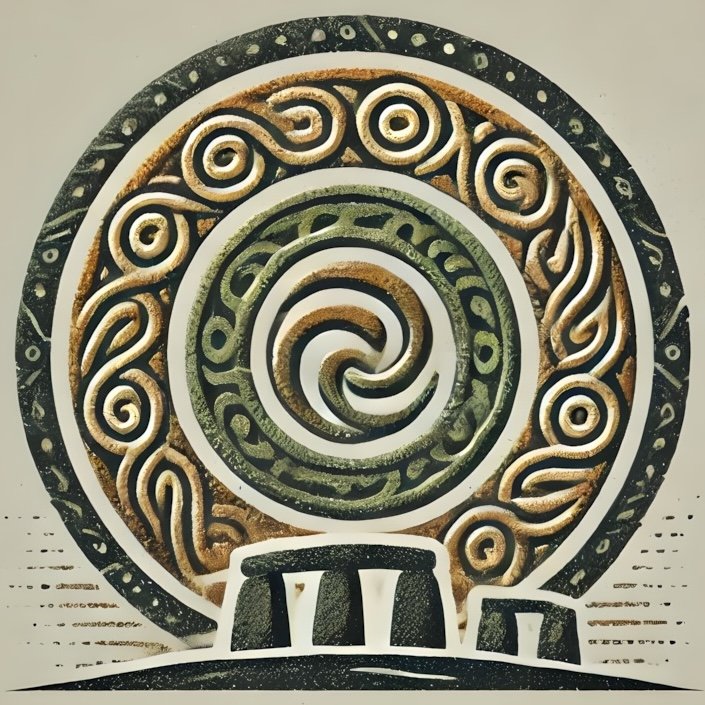

Portal Tombs: Their Role in the Landscape and Significance to Ancient Communities
Introduction to Portal Tombs
Portal tombs, also known as dolmens, are among the most fascinating and enigmatic structures found in the Irish landscape. Characterized by their distinctive capstones supported by upright stones, these ancient monuments have stood the test of time, evoking curiosity and reverence. Dating back to the Neolithic period, approximately 4000 to 2500 BCE, portal tombs are not merely burial sites; they are significant cultural markers that reflect the beliefs, social structures, and environmental interactions of the communities that constructed them.
Architectural Features of Portal Tombs
The architectural design of portal tombs is both simple and profound. Typically, they consist of two or more vertical stones (the “portal stones”) that support a large horizontal capstone. This configuration creates a chamber that often serves as a burial site. The entrance to this chamber is usually oriented towards the rising sun, suggesting a connection to celestial events and the cycles of nature. The sheer scale of these structures, with some capstones weighing several tons, speaks to the engineering capabilities and communal efforts of the societies that built them.
Variations and Regional Styles
While the basic structure of portal tombs remains consistent, there are regional variations that reflect local traditions and resources. In some areas, the stones are intricately decorated with carvings, while in others, the tombs are more austere. These variations provide insights into the cultural diversity of ancient communities and their interactions with the landscape. The presence of portal tombs across Ireland, from the lush fields of the Boyne Valley to the rugged terrain of the Burren, indicates not only the adaptability of these societies but also their deep-rooted connection to their environment.
The Role of Portal Tombs in the Landscape
Landmarks of Memory and Identity
Portal tombs served as significant landmarks within the ancient landscape, acting as points of reference for communities. They were often located in prominent positions, visible from great distances, and thus became integral to the identity of the people who lived nearby. These structures were not just burial sites; they were repositories of memory, linking the living with their ancestors. The act of burying the dead within these tombs reinforced social cohesion, as families and clans would gather to honor their deceased, thereby strengthening communal bonds.
Spiritual and Cosmological Connections
The orientation of portal tombs often aligns with celestial phenomena, such as the solstices and equinoxes. This alignment suggests that these structures were not only practical in their function but also held profound spiritual significance. They may have served as places of worship or ritual, where ancient communities engaged with the cosmos and sought to understand their place within it. The alignment with the sun could symbolize rebirth and the cyclical nature of life, reinforcing the connection between the living and the spiritual world.
Social Structures and Burial Practices
Hierarchies and Status
The construction of portal tombs likely reflected the social hierarchies of ancient communities. The presence of elaborate tombs may indicate the status of individuals or families, suggesting that those buried within these structures were of significant importance. The effort and resources required to build a portal tomb would have necessitated a coordinated communal effort, highlighting the social organization and leadership within these societies. Thus, portal tombs can be seen as markers of power, prestige, and the social dynamics of the time.
Burial Rituals and Ancestor Worship
The burial practices associated with portal tombs provide valuable insights into the beliefs and customs of ancient communities. Archaeological evidence suggests that these sites were often used for multiple burials over time, indicating a continued reverence for ancestors. The act of interring the dead within these sacred spaces likely served as a means of maintaining a connection with the past. Ancestor worship may have played a significant role in the spiritual life of these communities, as they sought guidance, protection, and blessings from those who had come before them.
Portal Tombs and the Landscape of Myths
Myths and Legends
The presence of portal tombs in the landscape has given rise to numerous myths and legends throughout Irish history. These ancient structures have often been associated with tales of gods, heroes, and supernatural beings. For instance, many portal tombs are linked to stories of the Tuatha Dé Danann, the mythical race of gods in Irish mythology. Such associations enrich the cultural narrative surrounding these sites, transforming them into not just physical structures but also symbols of the collective imagination of ancient communities.
Landscape as a Living Narrative
The integration of portal tombs into the landscape creates a tapestry of meaning that extends beyond their physical presence. As ancient communities navigated their world, they imbued the landscape with stories and significance. The hills, rivers, and stones became part of a living narrative, where every feature held a story waiting to be told. Portal tombs, as focal points within this narrative, helped to shape the cultural identity of communities, providing a sense of place and belonging.
The Legacy of Portal Tombs
Preservation and Modern Significance
Today, portal tombs are not only archaeological treasures but also symbols of Ireland’s rich cultural heritage. Efforts to preserve these sites reflect a growing recognition of their significance, both as historical artifacts and as sources of inspiration for contemporary communities. They serve as reminders of the resilience and creativity of ancient peoples, offering insights into their lives, beliefs, and connections to the landscape.
Contemporary Connections
In modern times, portal tombs continue to inspire artists, writers, and scholars, who draw upon their mystique and historical significance. They have become symbols of continuity, bridging the past and present. As communities engage with these ancient structures, they foster a deeper understanding of their heritage, encouraging a sense of stewardship and responsibility towards the landscape.
Conclusion
Portal tombs, with their architectural grandeur and cultural significance, stand as enduring testaments to the complexities of ancient communities in Ireland. They reflect the interplay between the physical landscape and the spiritual beliefs of the people who inhabited it. Through their role as burial sites, landmarks, and sources of myth, portal tombs continue to resonate within the collective memory of Ireland, inviting us to explore the rich tapestry of its prehistory and the enduring connections to the landscape.