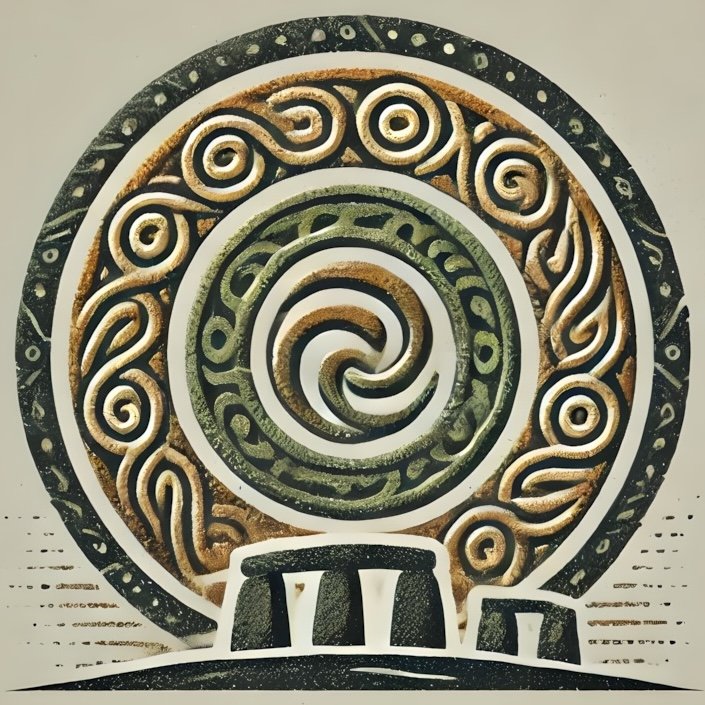

Overview of the Connections Between Megalithic Tombs and Irish Mythology
Introduction
The ancient landscape of Ireland is adorned with megalithic tombs, monumental structures that have stood the test of time, whispering secrets of the past to those who wander among them. These tombs, often constructed between 4000 and 2500 BCE, are not merely burial sites; they are gateways to understanding the rich tapestry of Irish mythology and its deep-rooted connections to the land. This exploration delves into the intricate relationship between megalithic tombs and Irish mythology, revealing how these ancient structures served as both physical and symbolic anchors in the cultural consciousness of the Irish people.
The Megalithic Tombs: A Brief Overview
Megalithic tombs in Ireland can be categorized mainly into three types: passage tombs, portal tombs, and wedge tombs. The most famous among these is Newgrange, a passage tomb located in County Meath, renowned for its winter solstice alignment. These structures often feature elaborate stone carvings, intricate designs, and alignments with celestial events, indicating a sophisticated understanding of astronomy and a deep reverence for the cycles of life and death.
The construction of these tombs likely involved communal effort, reflecting a society that valued collective identity and shared beliefs. The choice of location for these tombs—often on hills or near water—suggests a spiritual connection to the landscape, which is echoed in the myths that have emerged over millennia.
Mythological Significance of the Tombs
In Irish mythology, the megalithic tombs are often imbued with rich narratives that intertwine the realms of the living and the dead. These structures are frequently associated with the Tuatha Dé Danann, a race of supernatural beings in Irish mythology who are believed to have inhabited the land before the arrival of the Milesians, the ancestors of the modern Irish. The tombs are seen as the resting places of these ancient deities, linking the physical landscape to the mythological narratives that define Irish cultural identity.
For instance, the passage tombs are often associated with the concept of the Otherworld, a mystical realm where the dead reside and where time is fluid. This connection is evident in the tales of the Dagda, a prominent figure in Irish mythology, who is often depicted as a god of fertility, agriculture, and the arts. The Dagda is said to have a magical cauldron that never empties, symbolizing abundance and the cyclical nature of life and death—a theme that resonates deeply with the purpose of megalithic tombs.
The Role of Ancestors in Irish Mythology
The reverence for ancestors is a recurring theme in Irish mythology, and megalithic tombs serve as a physical manifestation of this belief. The act of burial within these structures signifies a connection to lineage and heritage, reinforcing the idea that the dead continue to influence the living. The concept of ancestor worship is prevalent in many cultures, but in Ireland, it is particularly emphasized through the stories of legendary figures such as Cú Chulainn and Fionn mac Cumhaill, whose deeds are celebrated and remembered through oral tradition.
These myths often depict the heroes engaging with the spirits of their ancestors, seeking guidance and wisdom from those who have passed. The megalithic tombs, with their enduring presence, symbolize a bridge between the past and the present, reminding the living of their roots and the importance of honoring those who came before.
Landscape and Myth: The Interwoven Narrative
The relationship between megalithic tombs and the Irish landscape is not merely geographical; it is deeply mythological. The positioning of these tombs often aligns with significant natural features—mountains, rivers, and sacred sites—creating a landscape steeped in narrative and meaning. For example, the Hill of Tara, a site of great political and spiritual significance, is home to several ancient monuments, including burial mounds that are linked to the kings of ancient Ireland. In mythology, Tara is often portrayed as a seat of power, where the connections between the earthly realm and the divine are most palpable.
The stories associated with these landscapes often reflect the characteristics of the land itself. The rugged cliffs of the Burren, for instance, are not just a backdrop; they are imbued with tales of giants and mythical creatures, echoing the ancient belief that the landscape is alive with stories waiting to be told. The megalithic tombs, dotted across this diverse terrain, serve as markers of these narratives, anchoring the myths to specific locations and enriching the cultural identity of the Irish people.
The Artistic Expression of Mythology
The intricate carvings found on many megalithic tombs provide a fascinating glimpse into the artistic expression of prehistoric Irish society. These carvings often depict spirals, zigzags, and other geometric patterns that may hold symbolic meaning, possibly representing the cyclical nature of life, death, and rebirth. Some interpretations suggest that these designs are linked to the mythology surrounding the Otherworld, reflecting a desire to connect with the divine through art.
Furthermore, the imagery associated with these tombs can be seen as a form of storytelling, where the stones themselves become the canvas for the myths that have shaped Irish culture. The carvings serve not only as decorative elements but as a means of preserving and communicating the beliefs and values of the society that created them.
The Legacy of Megalithic Tombs in Contemporary Culture
The significance of megalithic tombs extends beyond their historical and mythological context; they continue to inspire contemporary Irish culture. Modern literature, music, and art often draw upon the themes and stories associated with these ancient structures, reflecting a deep-seated connection to the past. Festivals and rituals celebrating the solstices and equinoxes at sites like Newgrange highlight the ongoing relevance of these tombs in contemporary spiritual practices.
Moreover, the megalithic tombs serve as a source of national pride and identity for the Irish people. They are not merely relics of a bygone era; they are symbols of resilience and continuity, embodying the enduring spirit of a culture that has weathered centuries of change.
Conclusion
The connections between megalithic tombs and Irish mythology are profound and multifaceted, revealing a rich interplay between the physical landscape and the narratives that have shaped Irish identity. These ancient structures stand as testaments to the beliefs, values, and artistic expressions of a society that revered its ancestors and the natural world. As we continue to explore the depths of Irish prehistory and mythology, the megalithic tombs remain a vital link to understanding the cultural and spiritual heritage of Ireland. Through them, we can glimpse the timeless stories that continue to resonate in the hearts and minds of the Irish people today.