Mythological Narratives and Sacred Mounds: How Myths Explain the Construction and Purpose of Megaliths
The landscape of Ireland is dotted with ancient megaliths—massive stones that have stood the test of time, whispering secrets of a bygone era. These monumental structures, ranging from stone circles to passage tombs, are not merely architectural feats; they are deeply embedded in the mythological narratives of the land. The connection between these megaliths and the myths that surround them offers profound insights into the beliefs, rituals, and social structures of prehistoric societies. This exploration delves into how these myths illuminate the construction and purpose of megaliths, revealing the sacred relationship between the Irish people and their landscape.
The Role of Myth in Prehistoric Society
Mythology served as a vital framework for understanding the world in prehistoric societies. It provided explanations for natural phenomena, established social norms, and conveyed moral lessons. In Ireland, myths often revolved around the themes of creation, the afterlife, and the divine, intertwining the human experience with the landscape. The megaliths themselves became symbols of these narratives, acting as physical manifestations of the stories that defined a culture.
For instance, the myth of the Tuatha Dé Danann—the legendary race of gods and goddesses—illustrates how the Irish people viewed their connection to the land. According to myth, these deities descended from the heavens and brought with them knowledge, skills, and a deep understanding of the earth. The megaliths, often associated with these divine beings, were believed to be places of worship, burial, and communion with the gods. They were not just structures; they were sacred spaces where the divine and the mortal intersected.
Sacred Mounds and the Afterlife
One of the most significant types of megalithic structures in Ireland is the passage tomb, exemplified by Newgrange and Knowth in the Boyne Valley. These tombs are intricately aligned with astronomical events, particularly the winter solstice, when sunlight floods the inner chambers, illuminating the burial sites of the deceased. Myths surrounding the afterlife, such as the belief in a realm of eternal youth and beauty, were integral to the construction of these tombs.
The tales of the Otherworld—an ethereal realm inhabited by the Tuatha Dé Danann—suggested that the dead would journey to a place of peace and prosperity. The passage tombs were thus constructed as gateways to this Otherworld, where the spirits of the deceased could reside among the gods. The alignment of these tombs with celestial events further emphasizes their purpose as sacred sites where the boundaries between life and death, earth and sky, were blurred.
The Stone Circles: Rituals and Community
Stone circles, another prominent feature of the Irish landscape, serve as a testament to the communal aspects of prehistoric life. These structures, often arranged in circular formations, are believed to have been used for rituals, gatherings, and astronomical observations. Myths surrounding the creation of these circles often involve legendary figures who shaped the land, such as the giant Fionn mac Cumhaill, who is said to have thrown stones across the landscape to form the circles.
The communal aspect of these megaliths is crucial to understanding their purpose. They were not merely places for individual worship but centers for community cohesion. The myths associated with these sites often highlight the importance of unity, shared identity, and collective memory. Rituals performed at these circles, whether for agricultural cycles, seasonal festivals, or rites of passage, were imbued with the belief that the stones themselves held power, connecting the community to their ancestors and the divine.
The Influence of Landscape on Myth
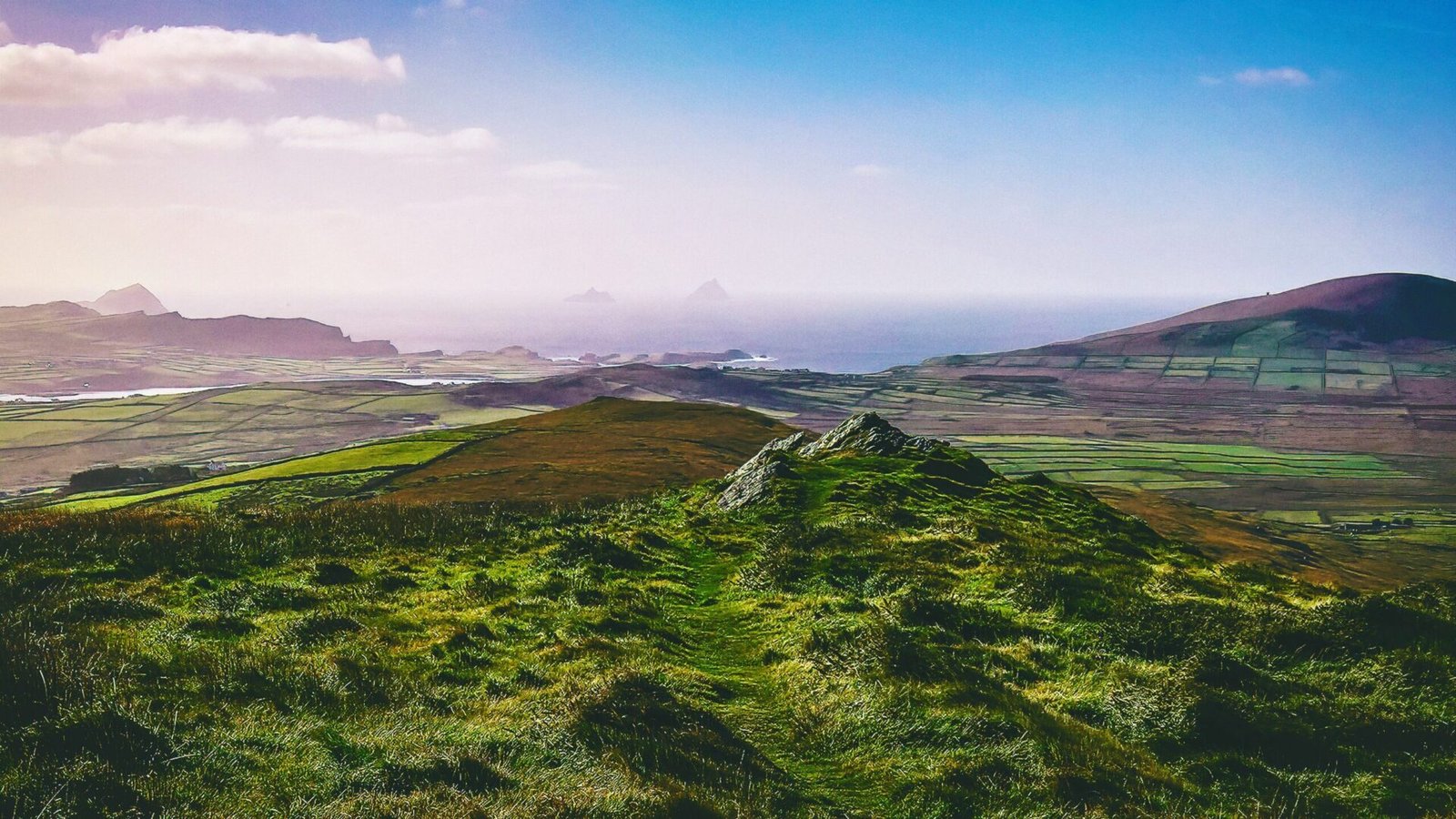
The Irish landscape is characterized by its rolling hills, lush valleys, and rugged coastlines, each element rich with mythological significance. The megaliths themselves are often situated in locations that enhance their mystical aura—on hilltops, near rivers, or overlooking ancient pathways. This strategic placement reflects a deep understanding of the landscape and its spiritual resonance.
For instance, the hill of Tara, a site of immense historical and mythological importance, is seen as the seat of the ancient kings of Ireland. The myths surrounding Tara emphasize its role as a sacred space where the earthly and the divine converge. The megaliths found at Tara, including the Lia Fáil (Stone of Destiny), are imbued with the belief that they possess the power to recognize the rightful king of Ireland. This interplay between landscape and myth underscores the idea that megaliths were constructed not only as physical structures but as integral components of a larger cosmological framework.
Myths of Creation and the Builders
The construction of megaliths is often steeped in myths that recount the origins of these monumental structures. Tales of giants, magical beings, and divine intervention abound, suggesting that the builders were not merely human but were guided by supernatural forces. The myth of the giant who carried stones from distant lands to construct the great passage tombs speaks to the awe and reverence that these structures inspired.
These creation myths serve multiple purposes. They provide a sense of identity and belonging, linking the builders to their ancestors and the land they inhabited. They also imbue the megaliths with a sense of purpose beyond their physical form, suggesting that they are part of a larger narrative that transcends time. The act of building these megaliths becomes a sacred endeavor, a way for communities to connect with their heritage and the divine.
The Legacy of Megaliths in Contemporary Culture
The megaliths of Ireland continue to resonate in contemporary culture, serving as symbols of national identity and heritage. Modern interpretations of these ancient structures often draw upon the myths that have surrounded them for millennia. Festivals, artistic expressions, and literary works frequently reference the megaliths, weaving together the threads of history and mythology.
Moreover, the ongoing interest in these sites has sparked a resurgence of research and exploration, as archaeologists and historians seek to uncover the stories hidden within the stones. This modern inquiry is not merely an academic pursuit; it is a continuation of the age-old relationship between the Irish people and their landscape. The megaliths remain a source of inspiration, a reminder of the enduring power of myth and the sacredness of the land.
In conclusion, the myths surrounding megaliths in Ireland are not just stories; they are key to understanding the construction and purpose of these monumental structures. From the passage tombs that serve as gateways to the afterlife to the stone circles that foster community and ritual, these megaliths are deeply intertwined with the mythological narratives that shaped prehistoric society. As we explore these connections, we gain a richer appreciation for the sacred relationship between the Irish people and their landscape, a bond that continues to resonate through time.